
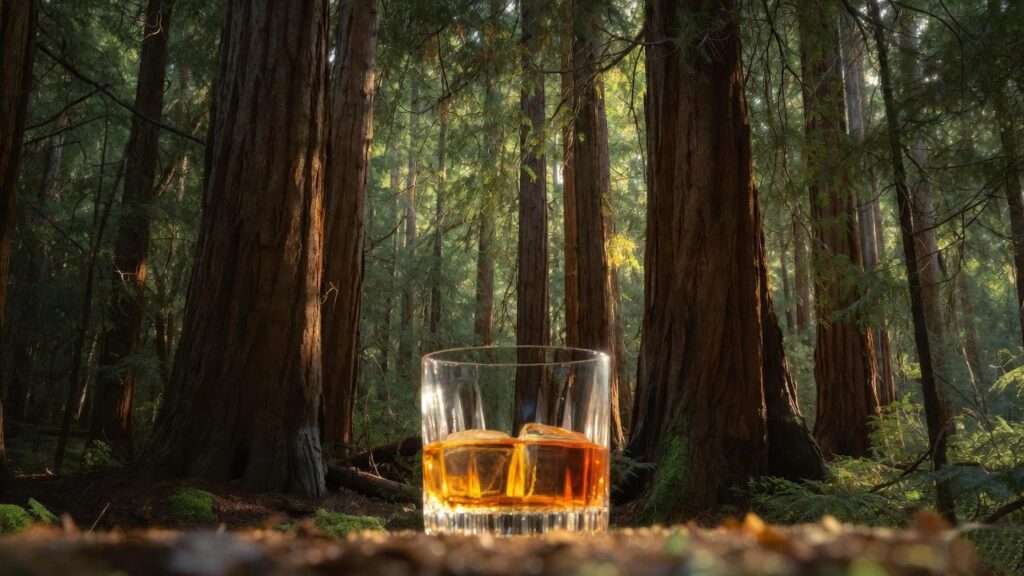
Imagine this: After a long, stressful day, you finally settle into your favorite chair as the evening light fades. Your mind races with to-do lists, worries, and the buzz of the world outside. Sleep feels distant, and when it comes, it’s often shallow—leaving you waking up groggy, with little memory of restorative dreams or a sense of true rest. If this sounds familiar, you’re not alone. Millions struggle with winding down in our hyper-connected era, leading to poor sleep quality, reduced dream recall, and diminished overall well-being.
But what if a simple, intentional evening ritual could change that? Enter Redwood Empire Pipe Dream Bourbon—a smooth, nature-inspired sipping whiskey that, when enjoyed mindfully and in moderation, can serve as the cornerstone of a holistic nighttime routine designed to promote deeper relaxation, mindfulness, and even more vivid dream experiences.
As a holistic well-being expert with years of experience guiding individuals toward better sleep, meditation practices, and dream work, I’ve seen how incorporating sensory, intentional elements into the evening can transform rest. In this comprehensive guide, we’ll explore the bourbon’s unique profile, the science behind moderate alcohol’s role in relaxation and sleep, and a step-by-step ritual to help you unwind naturally. Backed by research and real insights, this approach prioritizes responsibility—because true well-being always comes first.
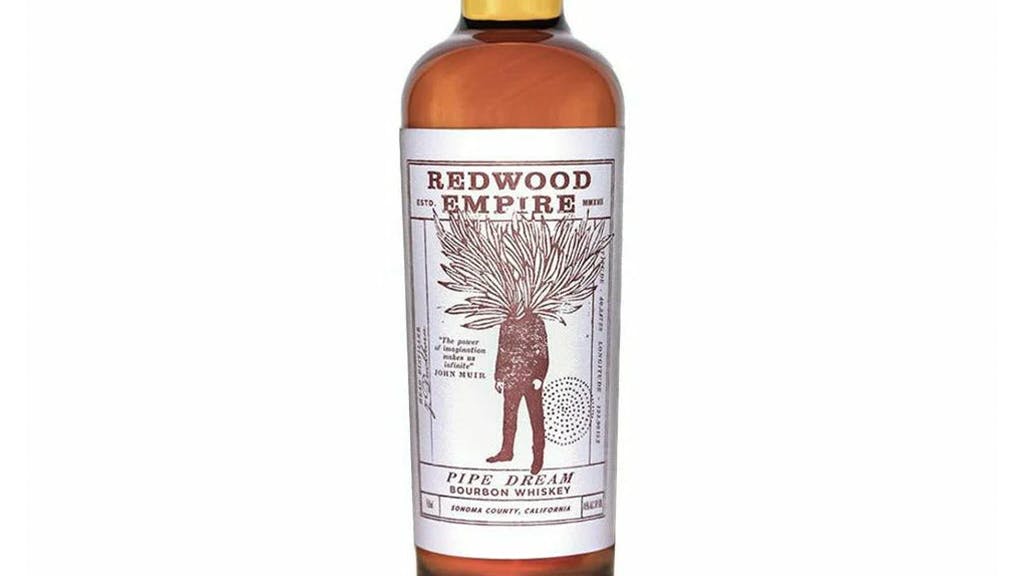
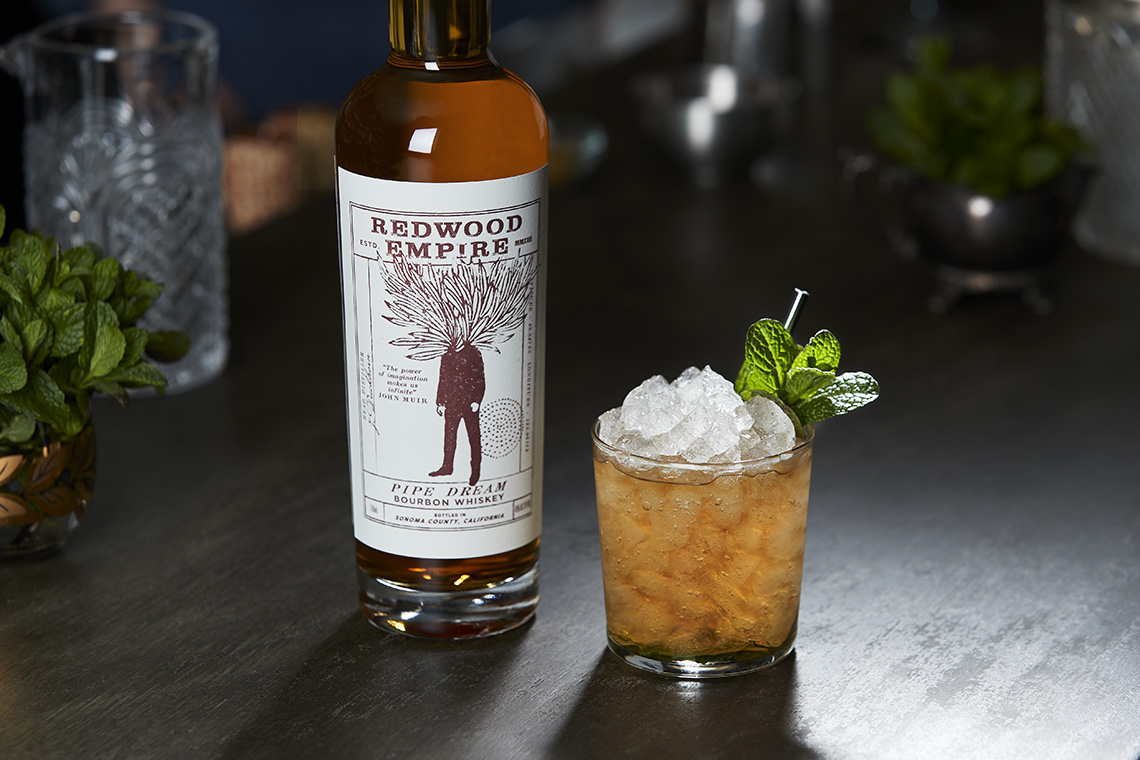
What Is Redwood Empire Pipe Dream Bourbon?
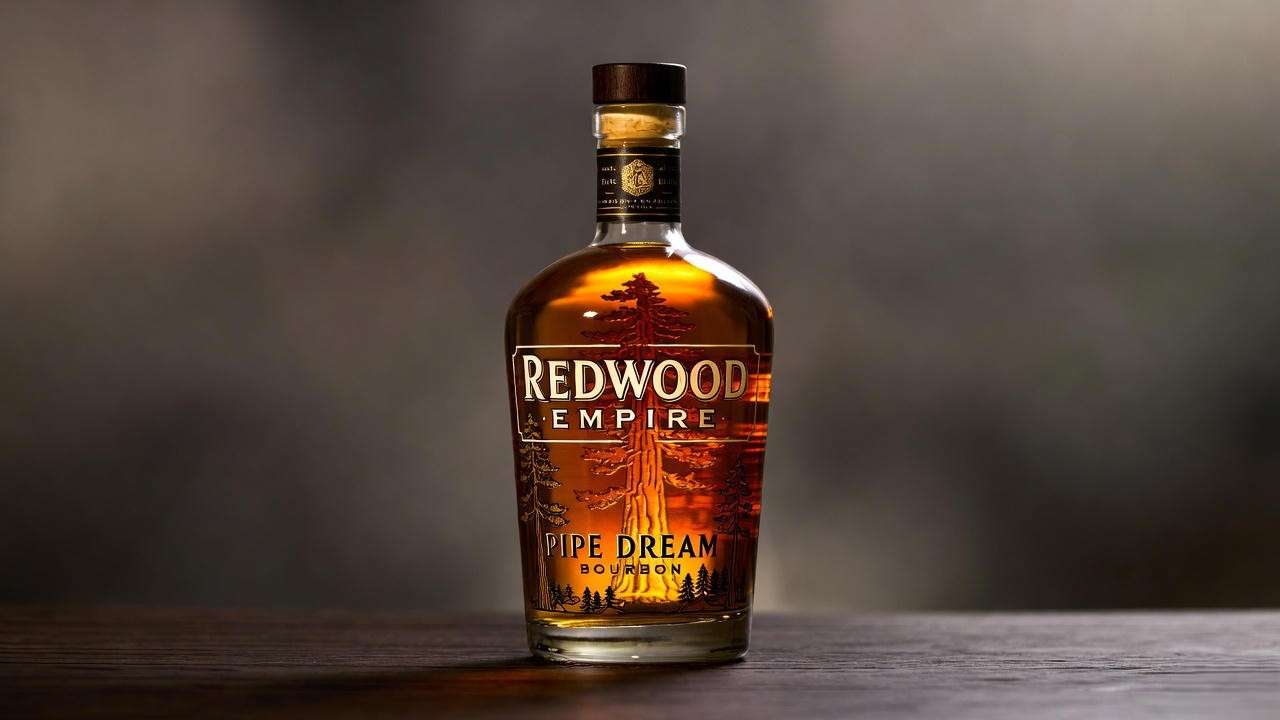
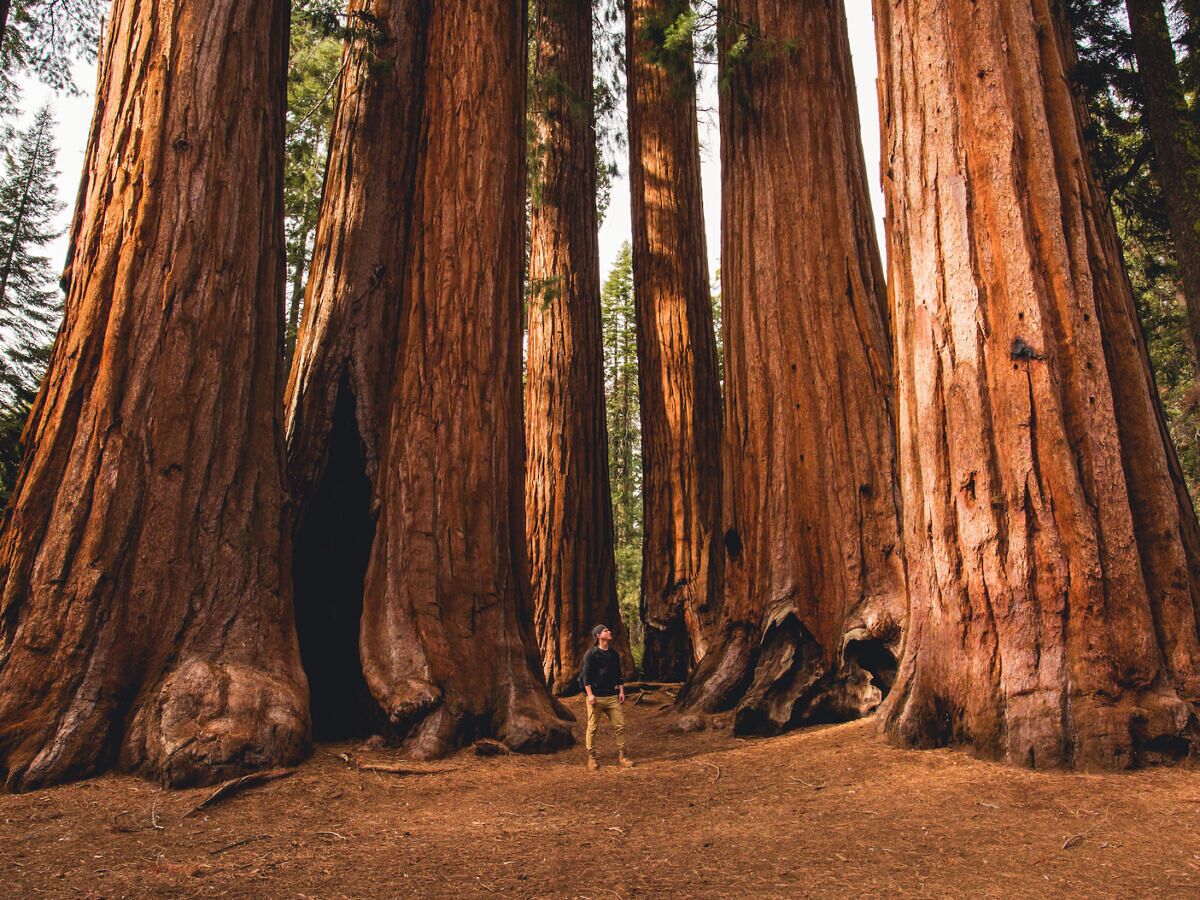
Redwood Empire Pipe Dream Bourbon isn’t just another whiskey—it’s a tribute to nature’s grandeur and sustainable craftsmanship. Named after the “Pipe Dream” coast redwood tree, which stands an awe-inspiring 367 feet tall in Humboldt Redwoods State Park (one of the tallest measured trees on Earth), this bourbon embodies aspiration, resilience, and connection to the ancient forests of Northern California.
The Story Behind the Name and Brand
Redwood Empire Whiskey is produced by a craft distillery in Graton, Sonoma County, California—a region influenced by the cool, foggy climate of the Redwood Empire, stretching along the coast. Founded with a deep commitment to environmental stewardship, the brand partners with organizations like Trees for the Future, planting one tree for every bottle sold. To date, they’ve planted over a million trees, contributing to global reforestation efforts and carbon sequestration.
The distillery blends its own grain-to-glass spirits with carefully sourced barrels, creating balanced, complex whiskeys that reflect the temperate aging conditions of the area—slow and even flavor extraction for exceptional depth.

Key Specifications and Tasting Notes
Pipe Dream is a blended bourbon, drawing from barrels aged 4 to 12 years (with some cask strength variants up to 14 years). It’s bottled at 90 proof (45% ABV) for the standard expression, making it approachable yet flavorful.
- Mash Bill: Approximately 75% corn for sweetness, 21% rye for spice, and 4% malted barley (variations in some batches include small amounts of wheat for added softness).
- Aroma: Powerful and inviting—sweet maple syrup, creamy vanilla, honey, with subtle roasted pecan and toasted oak.
- Palate: Rich and layered, featuring caramel, vanilla, lingering char, woody notes, hints of cherry, pear, citrus, and baking spices like black pepper.
- Finish: Smooth and warming, with a gentle spice and enduring oak character.
Expert tasters often describe it as “quintessential bourbon”—balanced, easy-sipping, and evocative of a peaceful walk through redwood groves. Its smoothness makes it ideal for slow, meditative enjoyment, aligning perfectly with relaxation practices.
The Science of Bourbon, Relaxation, and Sleep
Understanding how a small, mindful serving of bourbon like Redwood Empire Pipe Dream can fit into a healthy evening routine requires looking at the research on alcohol, the nervous system, and sleep architecture. As someone who has studied sleep science, meditation, and holistic wellness for over a decade, I always emphasize evidence-based approaches—especially when alcohol is involved.
How Moderate Alcohol Promotes Initial Relaxation
Alcohol is classified as a central nervous system depressant. In small amounts (typically one standard drink for women or up to two for men, consumed slowly), it enhances the activity of gamma-aminobutyric acid (GABA), the brain’s primary inhibitory neurotransmitter. This creates a calming effect similar to what benzodiazepines or certain meditation techniques achieve naturally.
Studies, including those published in the Journal of Sleep Research and Alcoholism: Clinical and Experimental Research, show that low-dose alcohol reduces sleep latency—the time it takes to fall asleep—by promoting relaxation and lowering hyperarousal. For many, this translates to an easier transition from a busy day into a restful evening state.
The key word here is mindful. When you sip a complex bourbon slowly, engaging all your senses—inhaling the aroma of vanilla and toasted oak, noticing the warmth as it coats the palate—you activate a parasympathetic “rest and digest” response. This intentional slowing mirrors mindfulness meditation, which has been shown in meta-analyses (e.g., JAMA Internal Medicine) to significantly reduce stress and improve pre-sleep calm.
Impact on Dreams and Dream Recall
One of the most intriguing aspects people notice with an occasional evening bourbon is enhanced dream vividness or recall. This phenomenon has a scientific basis tied to sleep cycles.
Alcohol initially suppresses rapid eye movement (REM) sleep—the stage most associated with dreaming—during the first half of the night. As blood alcohol levels drop in the later cycles, a “REM rebound” often occurs, leading to longer, more intense REM periods. Research from the University of Melbourne and others indicates this rebound can produce particularly vivid or emotionally charged dreams.
Additionally, the relaxed mental state fostered by mindful sipping may improve memory consolidation. Dream recall depends heavily on waking gently from REM and having a calm mind upon awakening. A ritual that lowers cortisol before bed creates fertile ground for remembering dreams more clearly the next morning.
That said, the relationship is dose-dependent. Higher consumption disrupts overall sleep quality and can fragment REM, reducing recall and leaving you feeling unrefreshed.
Important Caveats – Responsible Use Only
Let me be unequivocally clear: alcohol is not a recommended sleep aid. Organizations like the American Academy of Sleep Medicine and the National Institutes of Health caution against relying on alcohol for sleep due to its negative effects on sleep architecture, including reduced deep sleep, increased nighttime awakenings, and dehydration.
For the ritual described here to be beneficial rather than detrimental:
- Limit intake to no more than one 1–1.5 oz serving.
- Finish at least 2–3 hours before bedtime to allow metabolism.
- Stay well-hydrated (match every ounce of bourbon with water).
- Avoid if you have a history of alcohol dependence, sleep disorders (e.g., insomnia, sleep apnea), liver issues, or are taking medications that interact with alcohol.
If you experience consistent sleep difficulties, consult a healthcare professional or sleep specialist rather than self-medicating.
Building Your Nighttime Bourbon Ritual
The true power of incorporating Redwood Empire Pipe Dream Bourbon into your evening lies not in the drink itself, but in the intentional ritual built around it. Rituals work because they signal to the brain that it’s time to shift gears—from doing mode to being mode—creating a psychological bridge to restful sleep and richer inner experiences.
Why a Ritual Works for Holistic Well-Being
Rituals anchor us. In meditation and mindfulness traditions worldwide, repetitive, sensory-rich practices (lighting incense, ringing a bell, sipping tea) serve as cues for presence. A bourbon ritual does the same: the act of pouring, smelling, tasting, and reflecting becomes a mini-meditation that cultivates gratitude, slows breathing, and releases the day’s tension.
When paired with dream-focused intentions, the ritual also primes the subconscious. Many of my clients who keep dream journals report that setting an intention while sipping mindfully leads to more memorable and meaningful dreams.
Step-by-Step Guide to the Ritual
Follow these steps to create a safe, effective, and deeply relaxing evening practice.
Preparation
Choose a dedicated quiet space—perhaps a comfortable chair by a window or fireplace. Dim the lights or use candlelight. Play soft ambient sounds: recordings of redwood forests, gentle rain, or low instrumental music. Have a glass of water and your dream journal nearby.
Pouring and Appreciation
Measure 1–1.5 ounces of Redwood Empire Pipe Dream into a Glencairn or rocks glass. If desired, add a single large ice cube or a few drops of water to open the aromas. Hold the glass to the light and notice the rich amber color—evoking sunset through redwood canopies.
Mindful Tasting
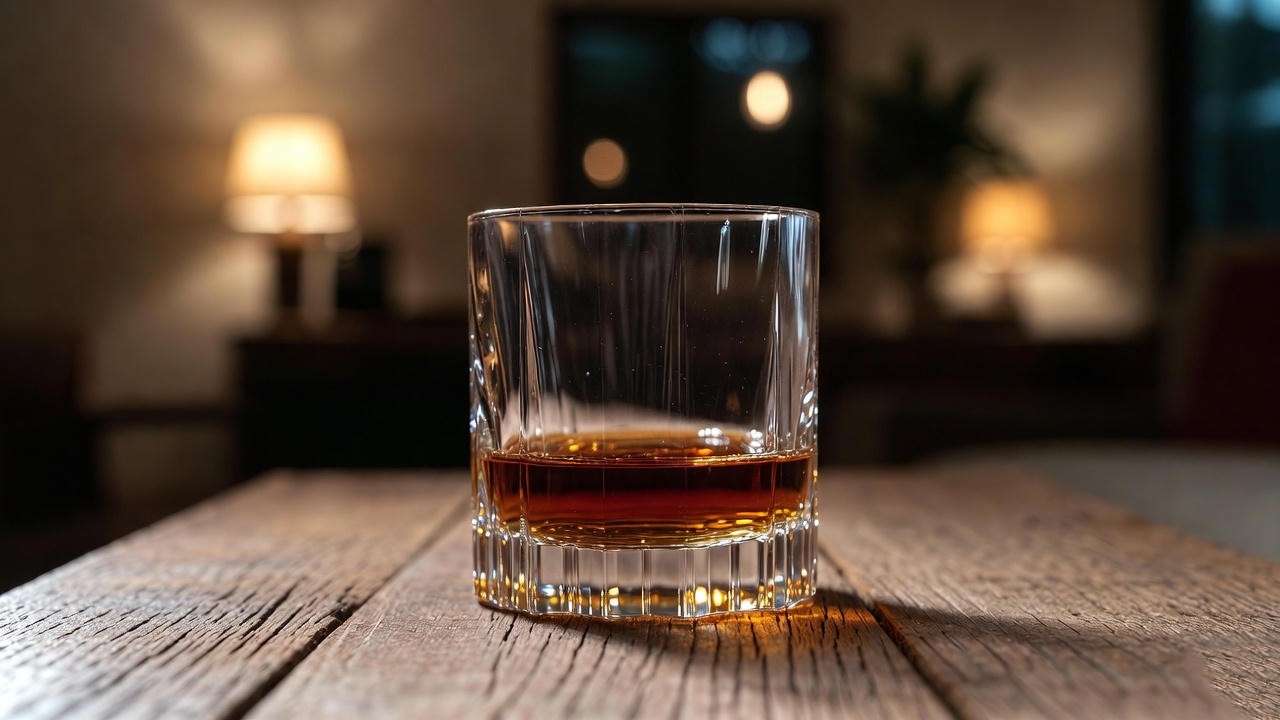
- Nose: Bring the glass to your nose and inhale slowly for 5–10 seconds. Identify notes—sweet maple, vanilla, roasted nuts, subtle fruit. Let each breath ground you in the present.
- Sip: Take a small sip and let it coat your tongue. Notice the initial sweetness, the mid-palate spice, the warming finish. Breathe out slowly through your nose to enhance retro-nasal aromas.
- Pause and Reflect: Between sips, close your eyes. Place a hand on your chest or belly and take three deep diaphragmatic breaths. Silently express gratitude for one thing from your day or set a gentle intention for restful sleep and vivid dreams.
Pairing with Relaxation Practices
Extend the ritual with complementary activities:
- Breathwork: Practice 4-7-8 breathing (inhale 4 counts, hold 7, exhale 8) for 4–6 rounds.
- Gentle Movement: Light shoulder rolls, neck stretches, or restorative yoga poses like child’s pose or legs-up-the-wall.
- Journaling: Write three things you’re releasing from the day and one question you’d like your dreams to explore.
Winding Down to Bed
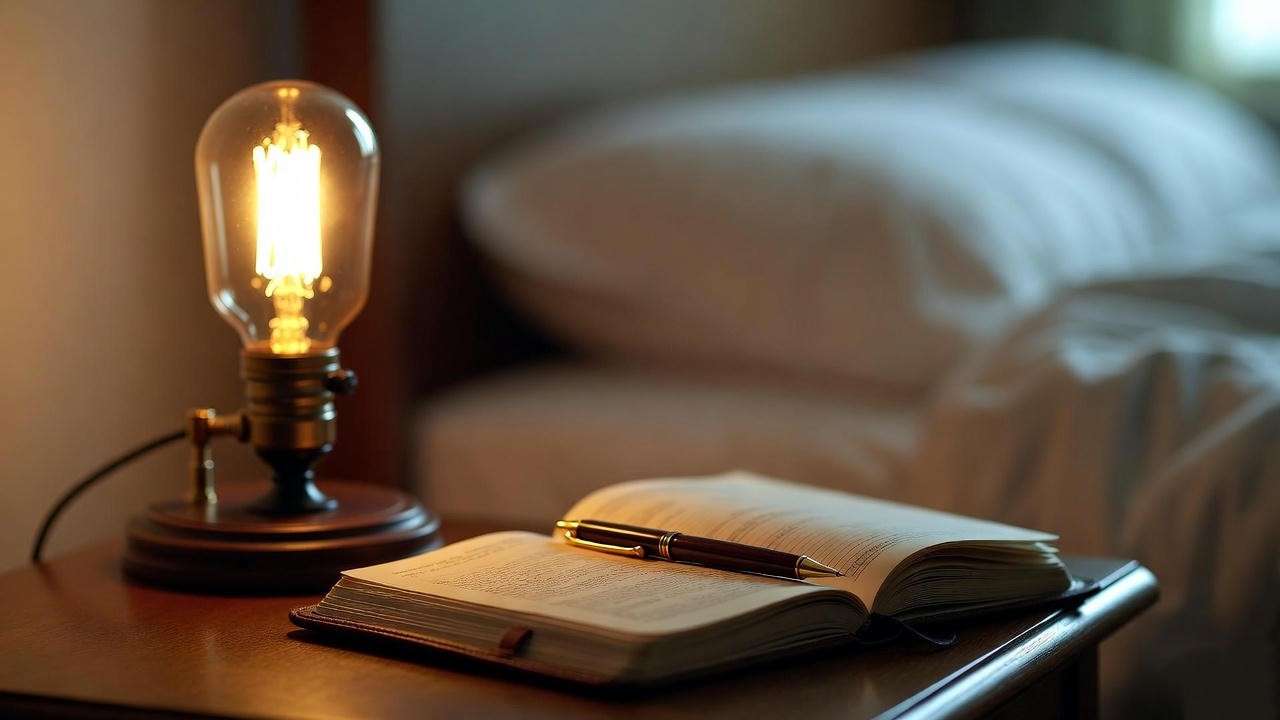
Finish the bourbon at least 90–120 minutes before your target bedtime. Drink a full glass of water. Avoid blue light screens; instead, read a physical book or listen to a guided sleep meditation. Keep a dream journal and pen on your nightstand to capture recollections immediately upon waking.
Tips for Success
- Track your experiences for a week in a dedicated journal—note relaxation level, sleep quality, and dream recall.
- Alternate with alcohol-free nights using herbal teas (chamomile, valerian, or rooibos with vanilla) to maintain the ritual without daily intake.
- Adjust timing based on your metabolism—some feel effects longer than others.
Expert Tips and Variations
To elevate your Redwood Empire Pipe Dream ritual and make it a sustainable part of your holistic wellness routine, consider these expert-recommended enhancements. These tips draw from my experience working with clients on mindfulness-based relaxation techniques and sensory practices.
Enhancing the Experience
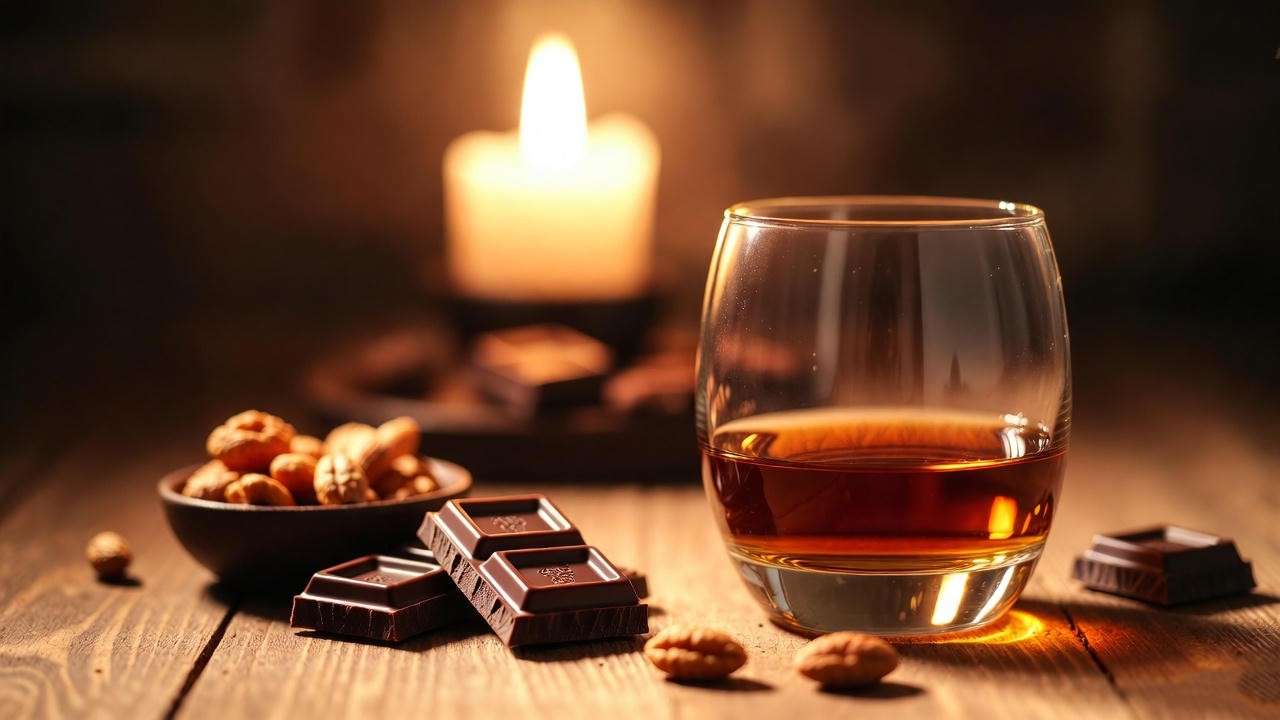
- Thoughtful Pairings: Complement the bourbon’s natural sweetness with small bites that don’t overpower. A square of high-quality dark chocolate (70%+ cacao) enhances the caramel and vanilla notes while providing magnesium—a mineral linked to better sleep. Alternatively, a handful of roasted almonds or walnuts adds healthy fats and a subtle nuttiness that mirrors the bourbon’s pecan aromas.
- Seasonal Variations: In colder months, serve neat or with a large ice rock to savor the warming spice. During warmer evenings, try a slight chill (refrigerate the bottle briefly) or add a single drop more water to lighten the body without diluting flavor.
- Glassware Matters: Invest in a proper nosing glass (Glencairn or copita style). The tapered shape concentrates aromas, deepening the meditative aspect of smelling—often the most relaxing part of the ritual.
- Cask Strength Exploration: If you enjoy bolder flavors, seek out the cask strength version (around 116–118 proof). Dilute slowly with water to your preference; this ritual of gradual addition itself becomes a mindfulness exercise.
Common Mistakes to Avoid
- Overpouring: More than 1.5 ounces defeats the purpose. Excess alcohol shifts from relaxation to sedation and disrupts sleep quality.
- Rushing the Sip: Treat it like meditation—haste reduces benefits. Set aside at least 20–30 minutes.
- Late Timing: Consuming too close to bedtime prevents full metabolism, leading to fragmented sleep.
- Heavy Food Pairings: Avoid rich meals or caffeine afterward, as they counteract the calming effects.
Real User Experiences and Insights
Across wellness communities, bourbon enthusiasts, and dream journaling groups, Redwood Empire Pipe Dream frequently earns praise for its role in mindful evenings.
Many reviewers on whiskey forums and retail sites highlight its smoothness as ideal for slow sipping: “It’s like a warm hug after a long day—perfect for unwinding without needing a second pour.” Others note the evocative redwood-inspired labeling sparks reflective moods: “Pouring a glass feels like stepping into a forest; it quiets my mind better than scrolling on my phone.”
In dream-focused circles (such as online lucid dreaming communities), users report that occasional mindful bourbon evenings correlate with more vivid recall: “When I sip slowly and journal intentions, my dreams feel richer and easier to remember the next morning.” Of course, experiences vary—those who stay strictly moderate and hydrate report the best outcomes.
These anecdotes align with my own observations: when alcohol is treated as a sacred, occasional element rather than a crutch, it can beautifully enhance a wind-down practice.
Frequently Asked Questions
Is Redwood Empire Pipe Dream good for sleep?
When used mindfully and in strict moderation as part of a ritual, it can support initial relaxation and a smoother transition to bedtime. However, it is not a sleep aid—excess or regular use impairs sleep quality. Prioritize non-alcohol strategies for long-term sleep health.
How much should I drink in the ritual?
One standard serving: 1–1.5 ounces (about 30–45 ml). This keeps blood alcohol low and minimizes disruption to sleep cycles.
Can this ritual enhance lucid dreaming?
Possibly indirectly. The REM rebound effect from moderate alcohol, combined with intention-setting and dream journaling, creates conditions favorable for vivid dreams. For true lucid dreaming practice, pair with reality checks and wake-back-to-bed techniques—alcohol alone isn’t sufficient.
Are there non-alcoholic alternatives?
Absolutely. Create the same ritual with herbal infusions: vanilla rooibos tea, chamomile with a dash of honey, or non-alcoholic bourbon alternatives (e.g., Spiritless Kentucky 74). The mindfulness and sensory engagement provide most of the benefit.
Where can I buy Redwood Empire Pipe Dream and what’s the price range?
It’s widely available at liquor stores, Total Wine, and online retailers. Expect $35–$45 for the standard 90-proof bottle, with cask strength around $60. Prices vary by region and availability.
Is this safe for everyone?
No. Avoid entirely if pregnant, breastfeeding, under legal drinking age, in recovery, on certain medications, or with health conditions affected by alcohol. Always consult a healthcare provider if unsure.
Conclusion
Incorporating Redwood Empire Pipe Dream Bourbon into a thoughtful nighttime ritual offers a luxurious, nature-inspired pathway to deeper relaxation, greater presence, and enriched dream life. By savoring its complex flavors mindfully—while honoring strict moderation—you tap into centuries-old traditions of using sensory pleasures to signal rest to body and mind.
Remember: the bourbon is merely a tool. The real magic lies in your intention, the slowing of breath, and the gentle release of the day. Experiment responsibly, listen to your body, and track how you feel. Many who adopt this practice report not just better evenings, but a renewed sense of connection—to themselves, to nature, and to the subtle world of dreams.
Tonight, pour a small measure, settle into quiet, and let the ancient redwoods whisper you toward rest. Sweet dreams.