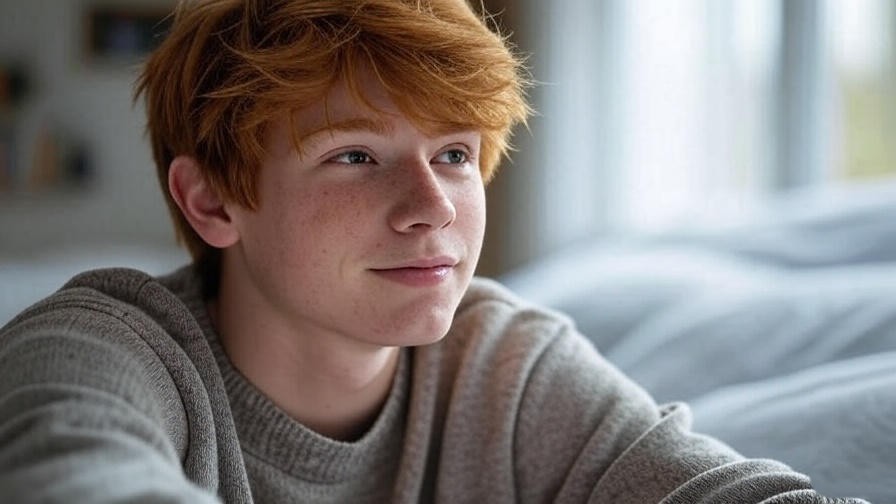

You turn off the lights. Your body is exhausted. Yet the moment your head touches the pillow, your mind wakes up—replaying conversations, worrying about tomorrow, or drifting endlessly from one thought to the next. The harder you try to sleep, the more awake you feel.
If this sounds familiar, you’re not alone. And more importantly—you’re not broken.
The daisy dreamer practice was created for moments exactly like this: when the mind needs gentle guidance, not force. Unlike rigid meditation techniques or effort-heavy sleep methods, daisy dreamer offers a soft, imaginative way to calm mental noise, reduce overthinking, and allow sleep to arrive naturally.
This article explores what the daisy dreamer method truly is, why it works, and how to use it effectively—especially if you struggle with racing thoughts, nighttime anxiety, or difficulty winding down. You’ll also learn how this gentle sleep practice fits into a holistic approach to rest, mental well-being, and emotional regulation.
What Is Daisy Dreamer?

The Meaning Behind the Daisy Dreamer Method
At its core, daisy dreamer is a gentle visualization-based sleep practice designed to occupy the mind just enough to prevent overthinking—without stimulating it.
Rather than trying to “empty” the mind (which often backfires), this method invites you to rest your attention on a calm, simple mental image—traditionally a daisy—while allowing thoughts to drift freely in the background. There is no goal to concentrate perfectly, no pressure to control your breathing, and no expectation to achieve a specific mental state.
The name daisy dreamer reflects the essence of the practice:
-
Daisy symbolizes simplicity, safety, and calm
-
Dreamer represents a relaxed, drifting mental state—half awake, half asleep
This combination creates a mental environment where the brain feels safe enough to let go.
Where the Daisy Dreamer Practice Comes From
While daisy dreamer is not a clinical therapy or ancient doctrine, it draws from well-established principles in:
-
Mindfulness-based relaxation
-
Visualization techniques used in sleep psychology
-
Cognitive distraction strategies for insomnia
-
Nervous system regulation practices
Sleep specialists and psychologists have long observed that the brain falls asleep more easily when it is gently engaged, rather than forced into silence. Daisy dreamer applies this insight in a simple, accessible way—making it especially useful for people who struggle with traditional meditation or breath-focused techniques.
Who the Daisy Dreamer Technique Is Best For
This practice is particularly helpful for:
-
People who overthink at night
-
Those with stress-related or anxiety-driven insomnia
-
Light sleepers who wake easily
-
Meditation beginners who find stillness uncomfortable
-
Anyone seeking a non-forceful, emotionally safe sleep method
If your mind tends to resist control but responds well to imagination, daisy dreamer may feel surprisingly natural.
Why Overthinking Prevents Restful Sleep (The Real Problem)
To understand why daisy dreamer works, it’s important to understand why sleep becomes so difficult in the first place.
The Science of a Busy Mind at Night
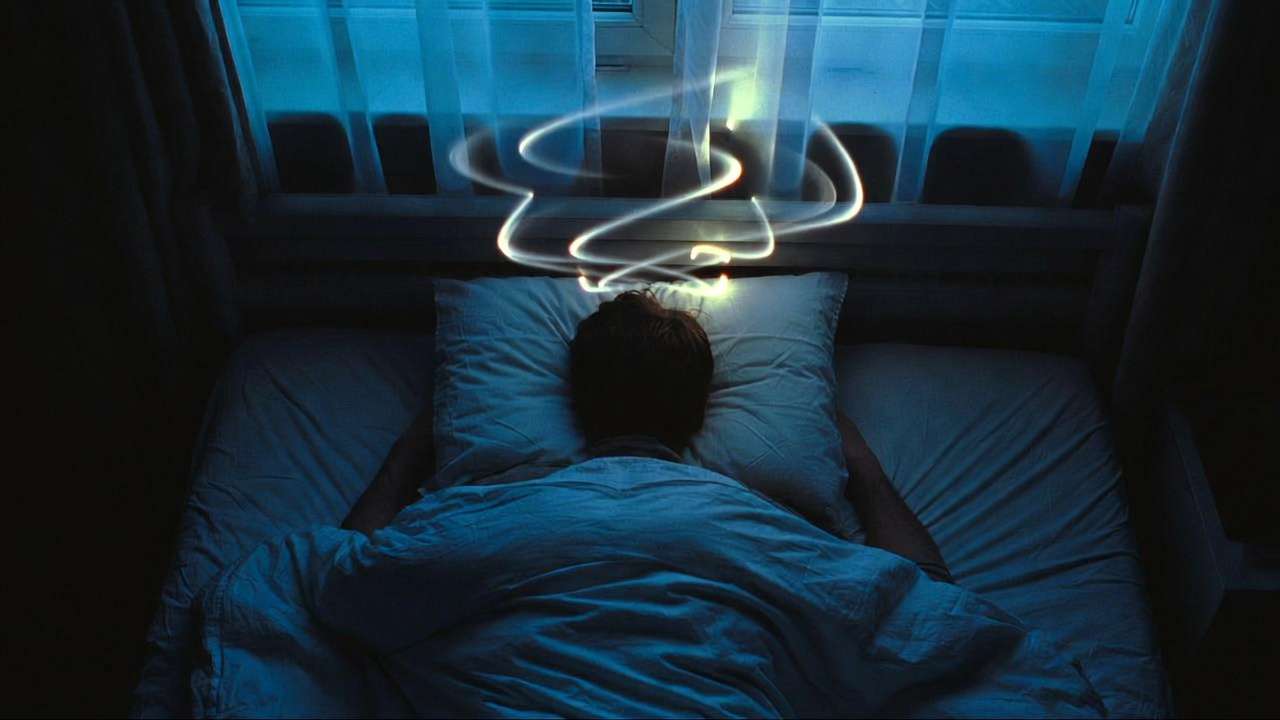
During the day, your brain is busy responding to tasks, decisions, and sensory input. At night, when external stimulation drops, the mind often turns inward. For many people, this is when unresolved thoughts, worries, and emotional processing surface.
From a physiological perspective:
-
Stress hormones like cortisol may remain elevated
-
The nervous system stays in a state of alertness
-
The brain misinterprets mental activity as a need to stay awake
This is why exhaustion doesn’t automatically lead to sleep.
Why “Trying to Sleep” Often Makes It Worse
One of the biggest barriers to rest is sleep effort—the act of trying to force sleep to happen.
When you tell yourself:
-
“I must fall asleep now”
-
“I need to stop thinking”
-
“Why can’t I sleep like everyone else?”
You unintentionally activate the brain’s problem-solving mode. Sleep, however, is not a task—it’s a passive biological process. The more pressure you apply, the more resistance you create.
How Gentle Mental Focus Helps the Brain Let Go
The brain transitions into sleep most smoothly when:
-
Attention is soft
-
Emotional safety is present
-
Cognitive demand is low but not zero
This is why activities like daydreaming, listening to a calm story, or watching clouds often make people drowsy. Daisy dreamer uses this same principle—but internally.
How the Daisy Dreamer Practice Works
The Psychological Principle Behind Daisy Dreamer
Daisy dreamer relies on passive attention—a state where the mind is lightly engaged without effort or judgment.
Instead of fighting thoughts, you give the mind a neutral place to rest. This reduces:
-
Mental looping
-
Emotional arousal
-
Hypervigilance
Over time, the brain learns that bedtime is safe and non-demanding.
How Visualization Signals Safety to the Nervous System
Visualization activates many of the same neural pathways as real sensory experiences. When you imagine a calm, familiar image, the nervous system often responds as if that calm is real.
This can:
-
Activate the parasympathetic (“rest and digest”) response
-
Lower heart rate
-
Reduce muscle tension
-
Decrease stress hormone output
The simplicity of the daisy image is intentional—it avoids overstimulation while offering emotional softness.
Daisy Dreamer vs Traditional Sleep Meditation
Many people struggle with traditional sleep meditation because it requires:
-
Sustained focus
-
Controlled breathing
-
Strict instructions
Daisy dreamer differs in key ways:
-
No rigid structure
-
No failure if the mind wanders
-
No expectation of silence
-
No pressure to stay aware
This makes it particularly effective for people who feel frustrated by conventional methods.
How to Practice Daisy Dreamer Step by Step

This is the heart of the method. Read through first, then practice without worrying about “doing it right.”
Step 1: Prepare Your Sleep Environment
Before beginning, create conditions that support rest:
-
Dim the lights
-
Silence notifications
-
Lie down in a comfortable position
-
Allow your body to fully relax
Remind yourself: There is nothing to achieve.
Step 2: Begin the Daisy Dreamer Visualization
Gently bring to mind a simple image of a daisy. There’s no need to visualize details perfectly. It can be:
-
A single daisy in a field
-
A soft, abstract impression
-
Even just the feeling of a daisy
Let the image be vague if it wants to be.
Step 3: Let Thoughts Drift Without Control
As thoughts arise—and they will—do not push them away.
Instead:
-
Let them pass like clouds
-
Occasionally return attention to the daisy
-
Allow the mind to wander naturally
The practice works because you are not forcing control.
Step 4: Transition Naturally Into Sleep
At some point, you may:
-
Lose track of the image
-
Feel drowsy
-
Drift into fragmented thoughts
This is a sign the brain is transitioning into sleep. Let it happen.
If sleep doesn’t come immediately, continue gently—or simply rest.
Common Mistakes to Avoid When Practicing Daisy Dreamer
Trying Too Hard to Visualize Perfectly
Effort creates tension. If you’re trying to “see” the daisy clearly, you’re working too hard.
Vagueness is a feature, not a flaw.
Judging Yourself for “Doing It Wrong”
There is no wrong way to practice daisy dreamer. Rest is not a performance.
Even if you don’t fall asleep, you’re still calming your nervous system.
Expecting Instant Results
While many people feel immediate relief, long-term benefits come from consistency. Think of this as training your brain to associate bedtime with safety.
Daisy Dreamer for Different Needs (Practical Use Cases)
One of the strengths of the daisy dreamer practice is its flexibility. Because it does not rely on strict rules or intense concentration, it can be gently adapted to suit different mental, emotional, and developmental needs.
Daisy Dreamer for Anxiety-Driven Insomnia
For people whose sleep issues are closely linked to anxiety, the nighttime hours often amplify fear-based thinking. Worries about health, work, relationships, or sleep itself can create a loop of hypervigilance.
Daisy dreamer helps in this context because it:
-
Reduces cognitive load without suppressing thoughts
-
Provides emotional softness rather than mental discipline
-
Shifts attention away from threat-based thinking
How to adapt the practice for anxiety:
-
Focus more on the feeling of safety than the image itself
-
Allow comforting associations (warmth, sunlight, calm air)
-
Avoid timing yourself or monitoring sleep progress
The goal is not to “fix” anxiety, but to signal to the nervous system that it is safe to rest.
Daisy Dreamer for Children and Teenagers
Children and teenagers often struggle with sleep due to imagination, emotional processing, or overstimulation. Daisy dreamer works especially well because it feels like a story rather than a technique.
For children:
-
Guide them verbally at first
-
Use simple language and imagery
-
Let them choose their own version of the daisy
For teenagers:
-
Emphasize that there is no right or wrong
-
Encourage privacy and self-guided use
-
Frame it as a mental wind-down, not meditation
Because the practice does not require silence or rigid focus, it is less likely to create resistance.
Daisy Dreamer for Meditation Beginners
Many people are drawn to meditation for better sleep but feel discouraged when they can’t stop their thoughts. Daisy dreamer offers a gentler entry point.
For beginners, this practice:
-
Removes pressure to “clear the mind”
-
Feels intuitive rather than technical
-
Builds trust in the body’s natural ability to rest
Over time, some people naturally transition from daisy dreamer into other mindfulness practices—but it works perfectly well as a standalone method.
Expert Insights on Visualization and Sleep (E-E-A-T)
To understand why daisy dreamer is effective, it helps to look at what sleep psychology and neuroscience reveal about how the brain transitions into rest.
What Sleep Psychology Says About Visualization
Visualization has long been used in cognitive behavioral approaches for sleep and anxiety. Research shows that:
-
Imagery can reduce physiological arousal
-
Neutral or positive images decrease emotional reactivity
-
The brain responds to imagined safety similarly to real safety
Unlike problem-solving thoughts, visualization does not demand action. This allows the prefrontal cortex—the brain’s executive center—to quiet down.
Why Gentle Techniques Outperform Forceful Methods
Sleep experts increasingly emphasize non-effort-based techniques. When people try to control breathing, thoughts, or awareness too strictly, it can increase performance anxiety.
Gentle practices like daisy dreamer work because they:
-
Encourage passive awareness
-
Reduce the fear of “doing it wrong”
-
Allow sleep to emerge naturally
This aligns with modern understandings of insomnia as a condition of hyperarousal, not sleep deficiency.
How Daisy Dreamer Fits Into Holistic Sleep Health
Holistic well-being recognizes that sleep is influenced by:
-
Emotional safety
-
Nervous system regulation
-
Daily stress levels
-
Mental habits
Daisy dreamer supports this ecosystem by:
-
Offering emotional comfort
-
Encouraging self-compassion
-
Reducing bedtime tension
It is not a replacement for medical care when needed, but it can be a powerful supportive practice.
How Often Should You Practice Daisy Dreamer?
Ideal Frequency and Timing
Daisy dreamer can be practiced:
-
Every night before sleep
-
During nighttime awakenings
-
During daytime rest or naps
There is no minimum or maximum time. Some people drift off in minutes; others simply rest more deeply.
How Long Before You See Results
Many people notice immediate calming effects. However, deeper changes often appear after:
-
1–2 weeks of consistent use
-
Reduced anxiety around bedtime
-
Faster sleep onset over time
Consistency matters more than duration.
Making Daisy Dreamer Part of a Bedtime Ritual
To strengthen the association with sleep:
-
Practice at the same time each night
-
Pair it with dim lighting or soft sounds
-
Avoid evaluating success
Over time, the brain begins to associate the imagery with rest automatically.
Daisy Dreamer vs Other Popular Sleep Techniques
Understanding how daisy dreamer compares to other methods can help you choose what feels right.
Daisy Dreamer vs Body Scan Meditation
-
Body scans require sustained attention
-
Daisy dreamer allows mental drifting
-
Better for overthinkers who resist structure
Daisy Dreamer vs Breath Counting
-
Breath counting can feel effortful
-
Daisy dreamer does not require control
-
Less likely to trigger performance anxiety
Daisy Dreamer vs Sleep Stories
-
Sleep stories rely on external input
-
Daisy dreamer is self-guided
-
Useful when external stimulation feels distracting
Each method has value, but daisy dreamer excels in emotional softness and flexibility.
Frequently Asked Questions About Daisy Dreamer
Is daisy dreamer a form of meditation?
It shares similarities with meditation but is less structured. It focuses on gentle imagination rather than focused awareness.
Can daisy dreamer help with chronic insomnia?
It can support relaxation and reduce sleep anxiety, but chronic insomnia may require professional guidance alongside self-care practices.
What if my mind keeps wandering?
That’s normal—and welcome. Wandering is part of the transition into sleep.
Can I combine daisy dreamer with other sleep practices?
Yes. It pairs well with good sleep hygiene, journaling, or calming routines.
Is daisy dreamer safe for anxiety-sensitive individuals?
Yes. Its non-forceful nature makes it especially suitable for people who feel overwhelmed by strict techniques.
Embracing Rest Without Forcing It

Sleep is not something you can command. It arrives when the mind feels safe, the body feels supported, and effort dissolves.
The daisy dreamer practice reminds us that rest is a natural state—not a reward for doing everything right. By offering the mind a gentle place to land, you allow sleep to unfold on its own terms.
Tonight, instead of trying harder, consider trying softer.
Let the daisy drift. Let the mind wander. And let rest find you.