
You wake up with the lingering sensation of sugary glaze on your lips and a profound sense of warmth. In the blurry moments between sleep and waking, the image is still vividly painted in your mind’s eye: a brightly frosted box of happy birthday donuts. Why did your brain serve up this highly specific, joyful imagery while you slept? While millions of people frantically search for the meaning behind stressful nightmares, joyful food dreams often leave us equally perplexed. Are we simply experiencing a spike in physical hunger, or is there a deeper, more profound psychological message bubbling up from the subconscious?
Here at The Calm Brain, we view our nighttime narratives not merely as random neurological noise, but as the profound language of our emotional health. Dreams act as a mirror, reflecting our deepest desires, unresolved anxieties, and hidden joys. In this comprehensive guide, we will decode the fascinating symbology behind this sweet treat, explore the sleep science and neuroscience behind “reward dreams,” and provide actionable mindfulness steps to bring the joy of this dream into your waking life.
The Psychology of Food in Dreams
To understand the specific meaning of your dream, we first need to explore why the subconscious mind utilizes food as a primary communication tool during REM (Rapid Eye Movement) sleep.

In the realm of dream psychology, food rarely translates to a literal, physical need for sustenance. While it is entirely possible to dream of a glass of water when you are physically dehydrated—a phenomenon known as a physiological dream trigger—complex, vivid feasts usually represent something much deeper. Food in our dreams is the ultimate metaphor for emotional nourishment, energetic consumption, and psychological desire.
During REM sleep, the brain’s limbic system, which is the command center for processing emotions and memories, is highly active. Meanwhile, the prefrontal cortex, responsible for logic and rational thought, is largely suppressed. This neurological state allows our emotions to manifest as highly visceral, sensory experiences. When we dream of eating or seeing food, our brain is often processing how we “digest” information, how we nurture ourselves, and what we are truly starved for in our waking lives.
Are we starved for affection? Are we craving a break from a rigorous routine? The foods we dream about give us the clues. Sweets and desserts, in particular, are universally recognized by the brain as high-reward stimuli. Dreaming of them often points directly to our internal reward systems, our capacity for self-compassion, and our relationship with pleasure.
Decoding the Symbolism: Why “Happy Birthday Donuts”?
When analyzing a dream, it is crucial to break down the imagery into its core archetypes. The image you saw wasn’t just a generic cake or a piece of fruit; it was a very specific combination of elements. Let’s decode the two primary symbols at play: the donut and the concept of a birthday.
The Donut: Wholeness, Cycles, and Indulgence
From a psychological and historical standpoint, the shape of a donut—a perfect circle with a hollow center—carries significant weight. Renowned psychoanalyst Carl Jung viewed circular shapes (mandalas) as symbols of the self, representing wholeness, unity, and the infinite cycles of life.
When a donut appears in your dream space, it can represent:
-
Completion: You may be coming to the end of a long, arduous cycle in your life—perhaps finishing a major project, healing from a hardship, or simply finding a sense of inner peace. The circle is complete.
-
The “Hole” in the Center: Conversely, the hollow center can sometimes symbolize a feeling of emptiness or a void that you are attempting to fill with external, fleeting pleasures. It asks the dreamer to reflect on what might be missing from their spiritual or emotional diet.
-
Guilt-Free Indulgence: In modern culture, donuts are the quintessential “treat.” They are rarely associated with strict diets or rigid discipline. Dreaming of them is often your subconscious giving you permission to let go of waking-life rigidity. It is a mental cue to soften your edges and embrace simple, unadulterated pleasure.
The “Happy Birthday” Element: Milestones and Validation
Adding the layer of a “happy birthday” celebration transforms the dream from a simple desire for indulgence into a profound statement about self-worth and recognition.
Birthdays are our most universally recognized personal milestones. They mark the passage of time, survival, growth, and individual significance. When your subconscious generates a birthday narrative—even if it is not your actual birthday in the waking world—it is highlighting several potential psychological states:
-
A Call for Self-Celebration: If you have been working relentlessly, prioritizing others over yourself, or brushing past your own achievements, your mind will often step in to throw the party you are denying yourself. This element is a powerful reminder of your inherent worth.
-
Reconnecting with the Inner Child: Birthdays are intrinsically linked to childhood joy, a time of wonder before the heavy mantle of adult responsibilities took over. Dreaming of birthday treats is a direct bridge to your inner child, signaling a deep need for playfulness, spontaneity, and unconditional love.
-
External Validation: Sometimes, the “happy birthday” message is less about self-celebration and more about a craving for external recognition. You may be seeking validation from your peers, your family, or your workplace for the energy and effort you continually output.
When combined, the imagery of happy birthday donuts acts as a potent symbol of joyful completion, a demand for self-celebration, and a reminder that true holistic well-being requires us to nourish not just our bodies, but our spirits.
4 Common “Happy Birthday Donut” Dream Scenarios and What They Mean
In the practice of dream psychology, a static symbol is only half of the story. To truly decode the message from your subconscious mind, we must look at the context and the emotional resonance of the dream. How you interacted with the sweet treat is just as important as the treat itself. Here are four common variations of this dream and their specific psychological interpretations.
Scenario 1: You Are Eating the Donuts Alone
If your dream featured you sitting in solitude, peacefully enjoying a box of bright, frosted donuts, this is a profound indicator of self-love and self-sufficiency. Unlike dreams of isolation that carry feelings of loneliness or abandonment, this scenario is typically imbued with a deep sense of contentment.
Your subconscious is signaling that you have reached a state of inner peace where you do not require external validation to feel worthy. It may also represent a “private victory”—a quiet acknowledgment of a personal hurdle you have overcome that no one else knows about. Your mind is taking a moment to celebrate you, by you, and for you.
Scenario 2: Sharing the Donuts with Loved Ones
Dreams where you are distributing sweet treats at a party or gathering reflect an “abundance mentality.” When we share food in our dreams, we are symbolically sharing our energy, our love, and our resources.
If you are passing out happy birthday donuts to friends, family, or even strangers, it suggests a deep-seated desire for community and connection. You likely feel that you have an overflow of joy, creativity, or emotional bandwidth in your waking life, and you are eager to foster a sense of belonging and mutual support among your peers.
Scenario 3: Receiving the Donuts as a Gift
When someone else hands you a celebratory pastry in a dream, it taps directly into your relationship with receiving. For many individuals, especially those prone to overworking or people-pleasing, accepting a gift—even in a dream—can feel jarring.
If you feel immense joy upon receiving this gift, it means you are finally opening yourself up to the care and recognition of others. If you wake up feeling that the dream was a pleasant surprise, it is your brain’s way of validating your hard work. You are craving to be “seen” by your community, and your subconscious is manifesting the exact type of warm, unpretentious appreciation you desire.
Scenario 4: Seeing the Donuts but Not Being Able to Eat Them
This is the classic “restriction” dream. Perhaps the donuts are behind glass, maybe they keep slipping from your grasp, or perhaps a dream-character prevents you from taking a bite.
Psychologically, this is a red flag from your subconscious regarding waking-life deprivation. This deprivation might be literal—such as adhering to an overly restrictive diet that is causing psychological stress—but more often, it is emotional. It points to imposter syndrome, an inability to accept praise, or a toxic belief that you do not “deserve” rest and joy until you have met an impossible standard of perfection. Your brain is showing you exactly what you want, while simultaneously highlighting the internal barriers you have built that prevent you from enjoying it.
Expert Insights: The Neuroscience of “Sweet” Dreams
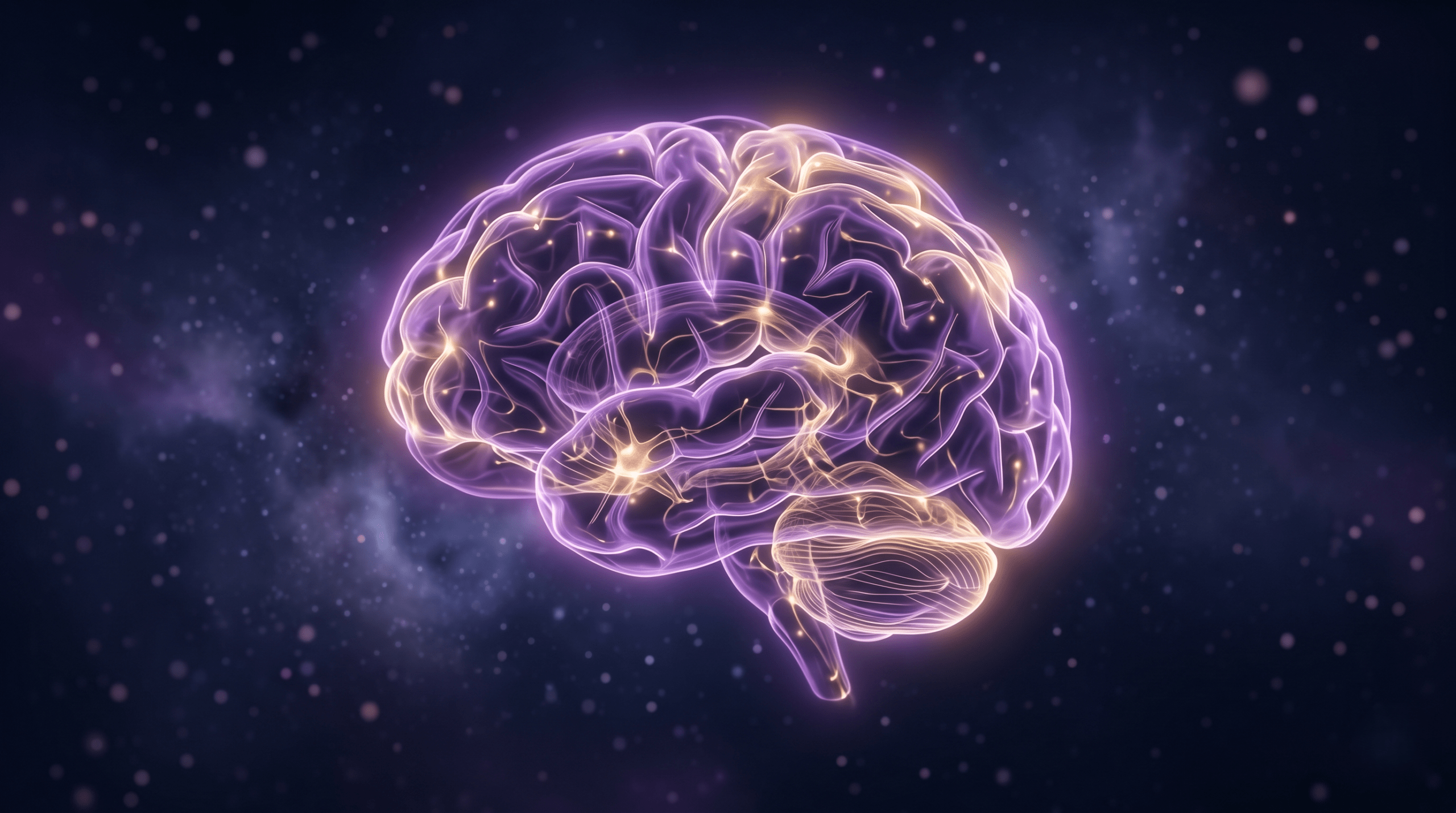
To elevate our understanding beyond traditional dream dictionaries, we must look at the hard science of sleep. What is biologically happening in your brain when you visualize a joyful celebration?
During REM sleep, our brain chemistry is a fascinating cocktail of activity. When you dream of highly palatable, rewarding foods like donuts, your brain activates the same neural pathways as it would if you were awake. Visualizing these treats triggers the release of dopamine—the “feel-good” neurotransmitter responsible for pleasure and motivation. You are effectively experiencing the chemical rush of a reward without the physical process of digestion.
Furthermore, joyful dreams act as a critical biological pressure valve. Sleep researchers have long noted that the emotional tone of our dreams plays a vital role in waking-life mood regulation. Experiencing a joyful, celebratory dream actively helps lower cortisol (the primary stress hormone) levels. By processing a “happy” event during the night, your brain is actively working to reset your nervous system, allowing you to wake up feeling more grounded, resilient, and emotionally balanced.
From Dream to Reality: How to Apply This Message to Your Holistic Well-being
Understanding your dream is only the first step. The true power of holistic health lies in integration—taking the insights gathered in the dark and applying them to the light of your daily routine. Here is how you can honor the message of your subconscious.

1. Audit Your “Reward System”
Are you constantly delaying gratification? Many of us live by the rule of “I will celebrate when…”—when I get the promotion, when I lose the weight, when the project is perfect. Your dream is a sign that this delayed reward system is exhausting your spirit.
-
Actionable Tip: Schedule a small, guilt-free reward for yourself this week that is completely disconnected from productivity. Treat yourself simply because you exist.
2. Reconnect with Your Inner Child
The birthday imagery is a direct line to your younger self, who understood how to experience joy without the heavy baggage of adult context.
-
Actionable Tip: Engage in 10 to 15 minutes of unstructured, purely joyful play. This could be coloring with deep, vibrant colors—perhaps a soothing, dreamy purple or bright pink—dancing to an old favorite song, or taking a walk without tracking your steps or destination. Let go of the need for an outcome.
3. Acknowledge Your Unseen Milestones
If your brain is throwing you a surprise party, it is because you forgot to throw one for yourself. We often brush past our daily victories because they don’t seem “big enough” to warrant a celebration.
-
Actionable Tip: Keep a gratitude or milestone journal by your bedside. Before you sleep, write down one thing you navigated successfully that day, even if it was just maintaining your boundaries during a difficult conversation.
Frequently Asked Questions (FAQ)
Does dreaming about sweets mean my blood sugar is low while I sleep? While physical states can occasionally influence dreams, a sudden drop in blood sugar usually results in fragmented sleep, night sweats, or stressful dreams of starvation. A joyful, vivid dream about a specific treat like happy birthday donuts is almost always rooted in psychology and emotional processing rather than a physiological emergency.
Is a dream about celebratory food considered good luck? In the lens of positive psychology, yes! While it isn’t “magic,” dreaming of celebrations indicates an optimistic subconscious state. It means your mind is primed to seek out joy, abundance, and positive connections, which naturally translates to more confident and “lucky” decision-making in your waking life.
Why do I keep having recurring dreams about birthday parties? Recurring dreams are the subconscious mind’s way of knocking on the door until you answer. If you frequently dream of birthdays, it is a persistent nudge to evaluate your self-worth, acknowledge your growth, and stop ignoring your own need for validation and celebration.
Conclusion: Embrace the Sweetness of Your Subconscious
The next time you wake up from a dream filled with the bright, sugary promise of happy birthday donuts, do not brush it off as a random misfire of the sleeping brain. Recognize it for what it truly is: a beautiful, vivid love letter from your subconscious. It is an invitation to embrace wholeness, to celebrate the milestones you have quietly passed, and to allow for simple, unadulterated joy in your waking life.
By paying attention to these sweet nighttime narratives, we can bridge the gap between our sleeping minds and our waking realities, fostering a deeper sense of holistic well-being.