
We spend roughly one-third of our lives asleep, yet millions of us wake up every morning ignoring the profound mental processing that happened while our eyes were closed. You might wake up feeling anxious from a chase sequence, confused by a bizarre scenario, or carrying a lingering sadness without knowing exactly why. To bridge this gap between nighttime phenomena and daytime clarity, you need a dreamer bible—a personalized, holistic framework to interpret your subconscious signals.
As someone deeply invested in the intersection of holistic well-being, mindfulness, and sleep science, I have spent years exploring how cognitive psychology and brain mechanics shape our reality. Dreams are not just random static; they are the language of your deepest thoughts and emotions. By learning to translate this language, you can significantly improve your sleep quality, reduce daily anxiety, and enhance your overall well-being. This guide will walk you through the science of sleep, the mechanics of the mind, and actionable techniques to decode your nightly visions.
What is the “Dreamer Bible”? Understanding the Language of the Subconscious
A dreamer bible is far more than a mystical dictionary that tells you what seeing a dog or a flying car means. It is a deeply personal roadmap. It combines the scientific understanding of how your brain operates with your unique emotional landscape to help you map out your inner world.
To build this framework, we first must understand the biological theater where these visions take place: Rapid Eye Movement (REM) sleep. During REM, your brain activity closely mirrors your waking state. Your breathing becomes irregular, your heart rate increases, and your voluntary muscles become temporarily paralyzed to prevent you from acting out the vividly constructed scenarios in your mind.
But why do we experience this at all? Leading cognitive psychology and neuroscience theories suggest that dreaming serves critical biological and emotional functions. The “threat simulation theory” posits that our brains use the safe space of sleep to practice handling danger. The “emotional regulation theory” suggests that we process the intense feelings of our waking hours so they do not overwhelm us the next day. A proper dreamer bible acknowledges these scientific truths, anchoring holistic interpretation in tangible human biology.
How the Human Brain Processes Reality and Memory at Night
Understanding the brain’s mechanics is essential to understanding your nighttime visions. The brain does not simply shut down; it shifts into a different mode of processing reality.
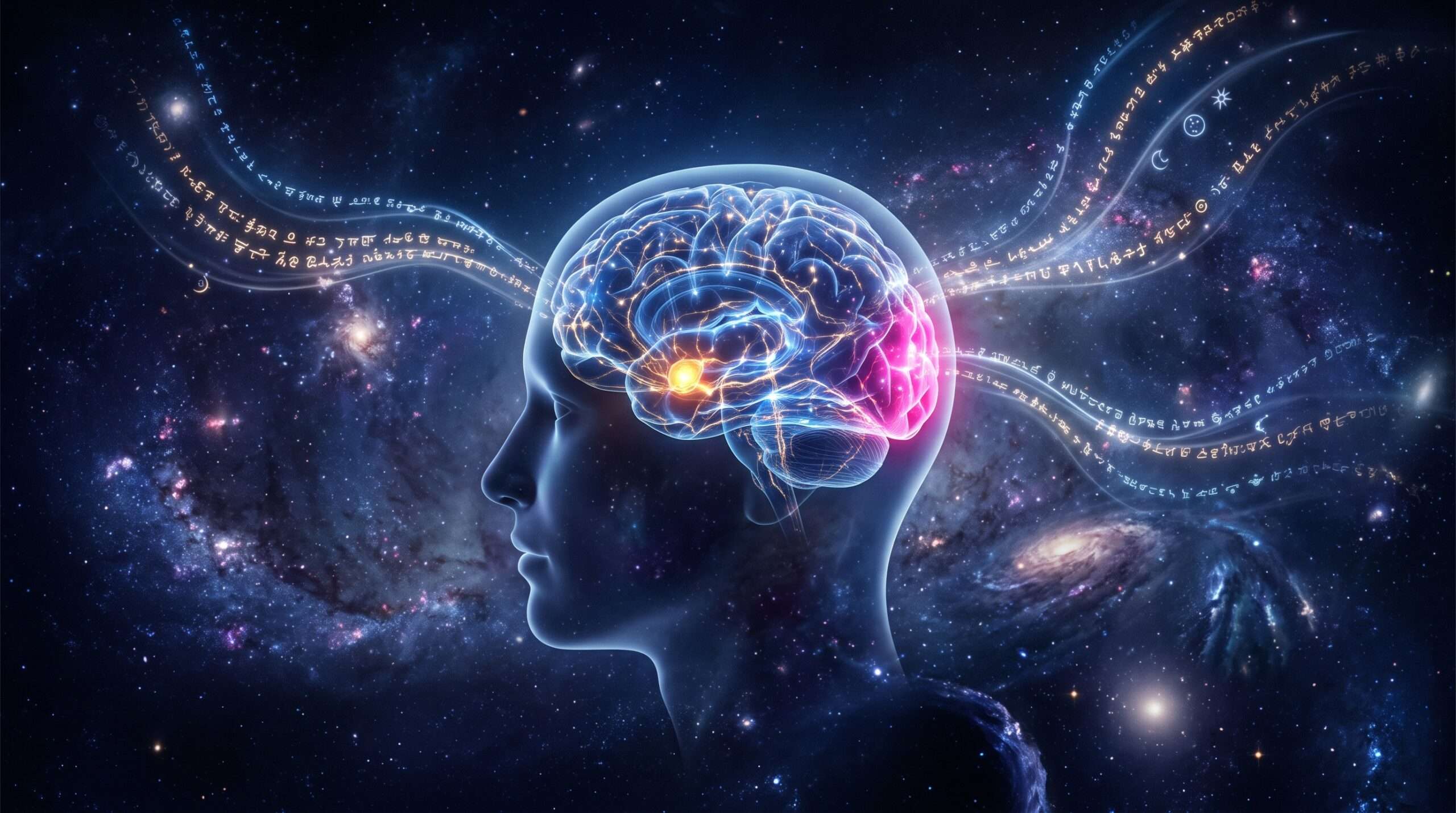
In the multimedia assets and visual concepts featured throughout this site, we frequently explore exactly how the human brain constructs these alternate realities, bends time perception, and synthesizes fragments of thought into seamless narratives. Visualizing these mechanics helps demystify the abstract nature of our subconscious.
Memory Consolidation and the Subconscious
Every day, you are bombarded with thousands of stimuli—conversations, emails, fleeting thoughts, and intense emotional reactions. If your brain kept all of this active, you would short-circuit. Instead, during sleep, your mind sifts through the daily influx. It discards the noise and consolidates vital memories into long-term storage.
Your dreams are often the direct byproduct of this filing system. The subconscious weaves together fragments of new information with older, deeply rooted memories to create a story. This is why you might dream of your current workplace, but it is populated by your childhood friends. Recognizing this process is a cornerstone of your dreamer bible, helping you realize that a bizarre scenario is often just your brain doing its nightly housekeeping.
Time Perception During Dreams
Have you ever lived out what felt like weeks or months in a dream, only to wake up and realize you had been asleep for twenty minutes? This phenomenon is a fascinating aspect of brain mechanics. In the waking world, our perception of time is tied to external stimuli and a linear progression of events.
In the dream state, the prefrontal cortex—the area responsible for logic, rational thought, and timekeeping—is largely inactive. Meanwhile, the emotional and visual centers are highly engaged. This allows the brain to process narratives emotionally rather than chronologically. Understanding this elasticity of time perception explains why dreams feel so profoundly impactful; they are highly concentrated bursts of emotional and cognitive processing.
Your Personal Dreamer Bible: Decoding Top Dream Symbols
While the structural mechanics of the brain explain how we dream, the imagery itself requires careful interpretation. A critical rule of any effective dreamer bible is understanding that while universal themes exist across the human experience, personal context is everything. A dog might represent loyalty and protection to one person, but symbolize fear and trauma to someone who was bitten as a child.
However, because human beings share similar biological and emotional frameworks, certain symbols frequently emerge when we process specific types of stress. Here is how to begin decoding the most common nocturnal signals.
Falling or Flying (Control and Freedom)
Dreams involving sudden drops or soaring flights are deeply connected to your waking sense of control.
-
Falling: Typically, falling signifies a loss of grip on a situation in your waking life. It often occurs during times of high anxiety, career instability, or when a relationship feels out of your hands. The abrupt jolt that often wakes you up (a hypnic jerk) is your nervous system misinterpreting the body’s relaxation as a physical fall.
-
Flying: Conversely, flying often represents liberation, empowerment, and breaking free from limitations. When you learn to control the flight—a common trigger for lucid dreaming—it mirrors a newfound confidence or the successful navigation of a waking-life obstacle.
Being Chased (Avoidance and Stress)
One of the most universally reported stressful dreams is being pursued by a known or unknown entity. In the context of cognitive psychology, the pursuer rarely represents a literal physical threat. Instead, it is a manifestation of avoidance.
If you are running in your dream, ask yourself what you are running from while awake. Are you avoiding a difficult conversation? Procrastinating on a major project? Ignoring a lingering health issue? The subconscious mind creates a physical threat in the dream state to force you to confront the emotional threat you are ignoring during the day.
Water Themes (Emotional States)
In the language of the subconscious, water is almost always a direct reflection of your holistic emotional health. The state of the water provides immediate insight into your internal environment:
-
Calm, clear oceans or lakes indicate emotional peace, clarity, and successful mindfulness practices.
-
Tidal waves, tsunamis, or dark, murky waters signal emotional overwhelm, impending burnout, or feeling “drowned” by waking responsibilities. Paying attention to your interaction with the water—whether you are swimming effortlessly or struggling to stay afloat—adds another layer to your personal interpretation.
Teeth Falling Out (Communication and Insecurity)
This surprisingly common and deeply unsettling dream is intimately tied to self-image, communication, and anxiety. Because our teeth are essential to our physical appearance and our ability to speak, dreaming of them crumbling or falling out often points to a fear of being judged, a loss of personal power, or anxiety about speaking your truth. It frequently surfaces before public speaking engagements, difficult negotiations, or when you feel you have said something you deeply regret.
The Feedback Loop: How Dreams Impact Sleep Quality and Well-Being
Understanding your dreamer bible isn’t just an exercise in self-reflection; it is a highly practical tool for improving your physical health. There is a bidirectional relationship between the quality of your sleep and the quality of your dreams.
Nightmares, Stress, and Sleep Fragmentation
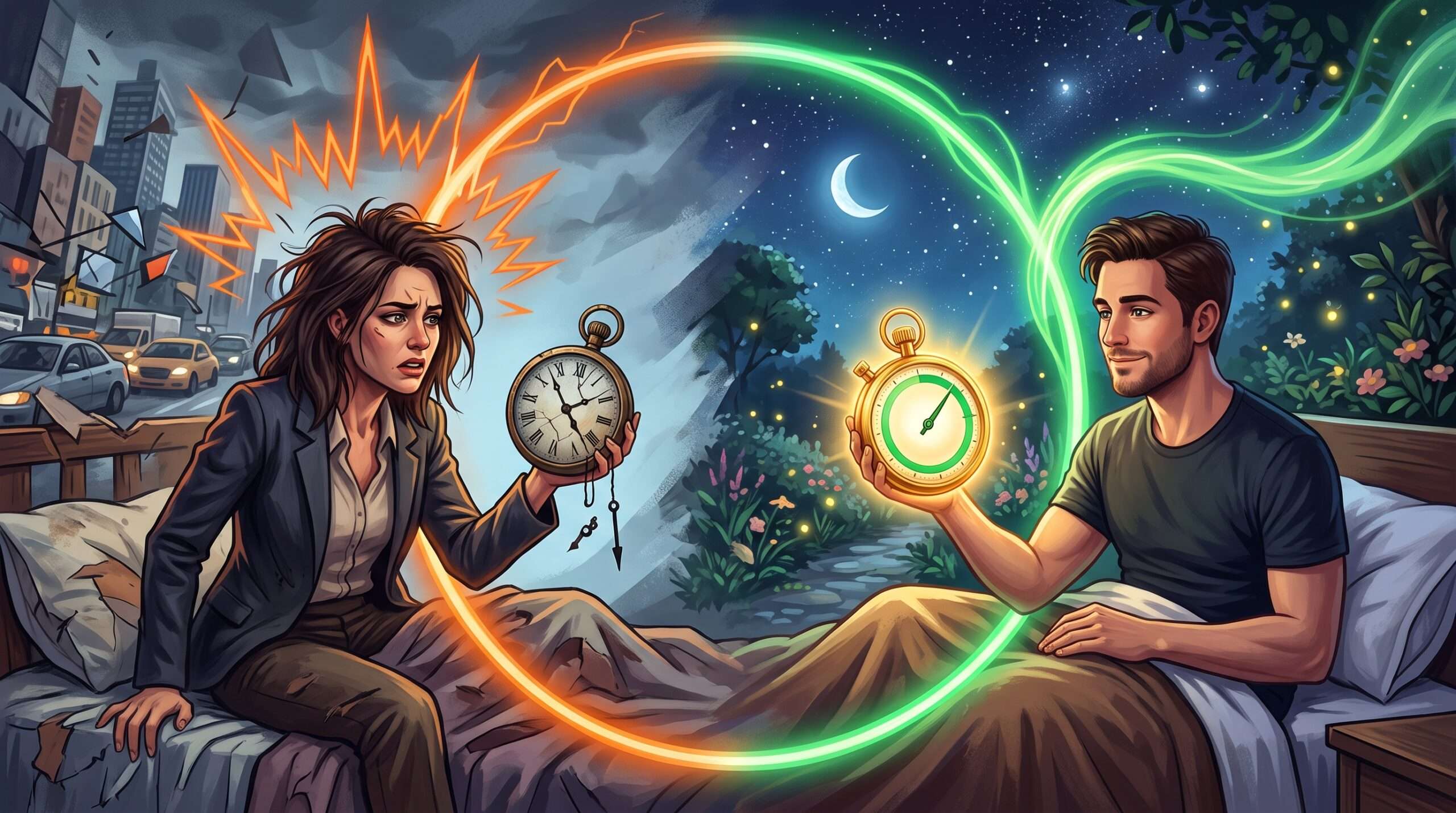
When you carry unresolved daytime stress into the evening, your brain attempts to process that high-alert state during REM sleep, often resulting in anxious dreams or nightmares. The intense emotional and physiological response to a nightmare—racing heart, sweating, rapid breathing—can jolt you awake.
This causes sleep fragmentation. Because you are waking up during the crucial REM cycle, you miss out on the deeply restorative phases of rest. The next day, you wake up exhausted and more prone to stress, which in turn fuels more anxious dreams the following night. Decoding the core stressor through your dreamer bible is the first step to breaking this exhausting loop.
Tracking the Dream-Sleep Correlation
To truly optimize your well-being, you need to identify your personal patterns. Do you have stressful dreams after working late? Do you experience highly vivid, positive dreams after days you meditate?
To help you bridge this gap and spot these correlations, I recommend utilizing the custom HTML sleep tracking calculator tool embedded directly below on this page. By actively logging your nightly sleep duration, rating your rest quality, and noting a few keywords from your morning dream recall, you transform abstract nighttime experiences into actionable health data.
Holistic Practices for Better Dreams and Deep Rest
Once you have established a baseline understanding of your subconscious language, you can take active, holistic steps to influence your dreamscape and improve your sleep hygiene.
Pre-Sleep Mindfulness and Grounding Techniques
The state of your nervous system as you fall asleep directly dictates the tone of your dreams. If you fall asleep in a state of hyperarousal, your brain will continue that frantic processing.
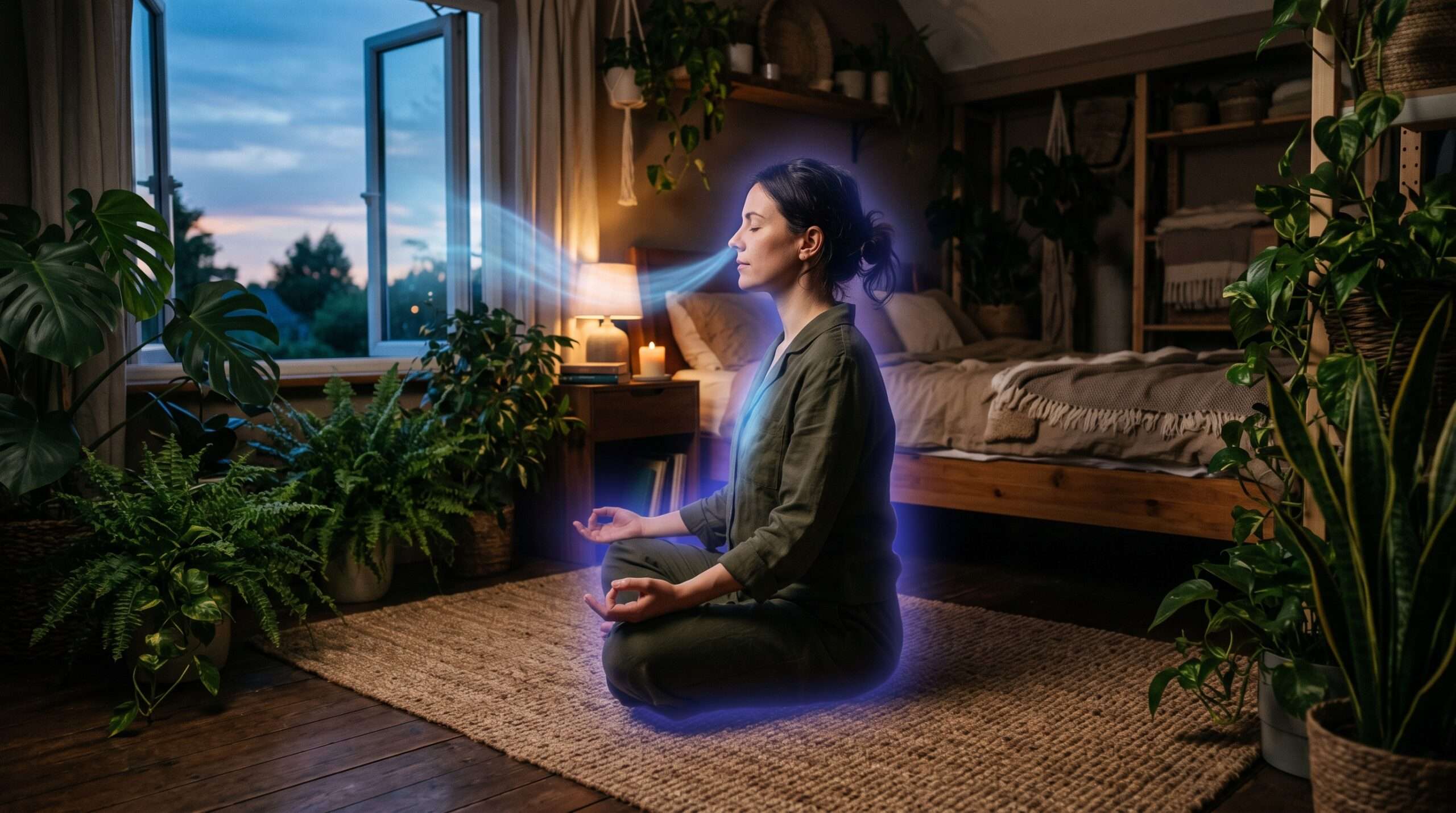
To transition smoothly, engaging in structured breathwork is essential. To assist you with this, you can follow along with our multi-part educational animation video series, accessible in the mindfulness section of the site. These beautifully animated, step-by-step visual guides are specifically designed to walk you through grounding and breathing methods that lower your heart rate, quiet your prefrontal cortex, and signal to your body that it is safe to rest.
The Power of Intentional Dream Journaling
The most powerful tool in your waking life to build your dreamer bible is a dedicated dream journal. The memory of a dream degrades rapidly upon waking; within five minutes, you forget 50% of the dream, and within ten minutes, 90% is gone. To capture these subconscious insights, you must record them immediately.
Keep a dedicated notebook and pen on your nightstand. Do not use your phone, as the harsh blue light and immediate distraction of notifications will pull your brain out of the theta-wave state where dream recall is strongest.
The 5-Minute Morning Template:
-
Keywords: Write down 3-5 immediate words that describe the overall feeling or setting (e.g., “Anxious, office, running, rain”).
-
The Narrative: Jot down the plot in bullet points. Do not worry about grammar or complete sentences.
-
The Emotion: Note exactly how you felt when you woke up. Were you relieved? Terrified? Nostalgic?
-
The Waking Link: Briefly note any obvious connections to your current daytime life.
Over time, this journal becomes the physical manifestation of your dreamer bible, allowing you to spot recurring symbols, emotional trends, and triggers that you would otherwise miss.
Dietary and Environmental Factors
Your physical environment and biological inputs heavily dictate your sleep architecture and, consequently, your dream life. Holistic well-being requires looking at the body as an interconnected system.
Heavy, late-night meals—especially those high in sugar or refined carbohydrates—force your digestive system to work overtime while you sleep. This raises your core body temperature and increases brain activity, which can lead to highly vivid, often bizarre or unsettling dreams. Similarly, alcohol may help you fall asleep faster, but it significantly suppresses REM sleep during the first half of the night. When the alcohol wears off, the brain experiences a “REM rebound,” leading to intense, fragmented, and often nightmarish dreaming.
To optimize your sleep environment for peaceful processing, keep your bedroom cool (around 65°F or 18°C), ensure absolute darkness, and eliminate blue light exposure at least an hour before bed.
Frequently Asked Questions (FAQ)
Why are my dreams so vivid lately? Vivid dreaming is often the result of elevated daytime stress, significant life changes, or altered sleep schedules. When you are processing heavy emotional loads, your REM cycles become more intense. Additionally, certain supplements, like melatonin, or starting new medications can alter your brain’s neurochemistry, leading to highly cinematic and memorable dream sequences.
How can I stop having recurring stressful dreams? Recurring dreams indicate a persistent, unresolved issue in your waking life. To stop them, you must bridge the gap between the subconscious signal and conscious action. Use your dreamer bible to decode the core emotion of the dream (e.g., feeling unprepared, feeling trapped). Once identified, take a tangible step in your waking life to address that emotion, combined with pre-sleep mindfulness practices to lower your nighttime cortisol levels.
Does everyone dream every night? Yes, neurologically speaking, everyone dreams every single night. We typically go through four to six REM cycles per night, producing about two hours of dream time. When people say they “don’t dream,” what they actually mean is that they lack dream recall. Improving your sleep hygiene, limiting sleep fragmentation, and practicing morning journaling will rapidly improve your ability to remember these nightly narratives.
Conclusion and Next Steps
Building your personal dreamer bible is not a weekend project; it is a lifelong practice of self-discovery, cognitive awareness, and holistic health. By understanding the mechanics of how your brain processes reality and committing to decoding your subconscious symbols, you transform your nights from passive, sometimes stressful experiences into active tools for personal growth.
When you respect the signals your mind sends you in the dark, you unlock a deeper, more peaceful existence in the light. Your dreams are not your enemy, nor are they random static—they are a compass pointing toward better sleep, reduced anxiety, and profound well-being.
Take the first step tonight. Place a notebook by your bed, practice a few minutes of intentional breathing before sleep, and prepare to listen to what your subconscious has been trying to tell you all along. Explore the rest of our resources on meditation and sleep optimization to continue building your holistic foundation.