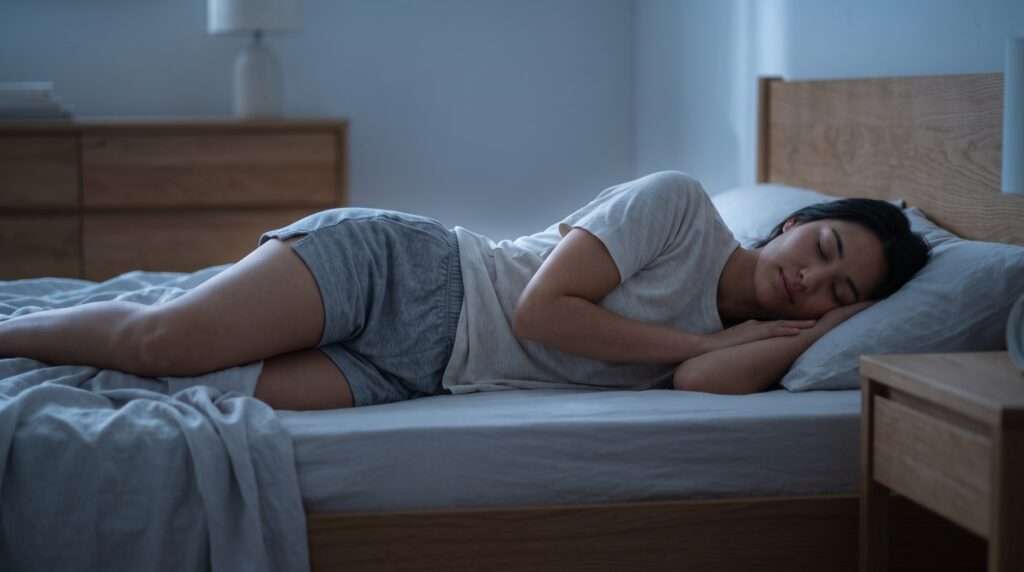
It is 3:00 AM, and you are awake again. Your mattress is premium, the room is pitch-black, and a white noise machine is humming perfectly in the background. Yet, you are shifting uncomfortably, feeling overheated, tangled, and frustrated. If this scenario sounds familiar, you might be overlooking the single most intimate variable in your entire sleep environment: what you wear to bed.
While many wellness enthusiasts invest heavily in sleep supplements and blackout curtains, the layer of fabric resting directly against the skin is often an afterthought. Enter dreamer shorts—a specialized category of sleepwear designed not merely for aesthetic lounging, but engineered to actively support your body’s natural nocturnal rhythms. In the pursuit of holistic well-being, achieving deep, restorative sleep is the ultimate foundation.
This comprehensive guide explores the physiological mechanics of sleep, why standard pajamas might be sabotaging your rest, and how upgrading your nighttime wardrobe can profoundly transform your sleep quality.
The Hidden Culprit Behind Restless Nights
To understand why specialized sleepwear is a necessity rather than a luxury, we first need to examine what happens to the human body when the lights go out. Poor sleep is rarely just a psychological issue; it is heavily rooted in physiological disruptions.
The Science of Thermoregulation
One of the most critical biological mechanisms for achieving deep rest is thermoregulation. As the evening progresses, your circadian rhythm dictates a necessary drop in your core body temperature. This cooling process is a biological signal to the brain that it is time to transition into the deeper, more restorative stages of non-rapid eye movement (NREM) and rapid eye movement (REM) sleep.
However, the “microclimate”—the tiny pocket of air trapped between your skin and your clothing—plays a massive role in this process. If your sleepwear is made from heavy, non-breathable materials like synthetic polyester or thick flannel, it traps body heat.
Expert Insight: Sleep specialists note that even a slight increase in microclimate temperature can severely disrupt sleep architecture. When the body cannot naturally cool down, it initiates a stress response, elevating the heart rate and pulling you out of deep sleep into a lighter, easily disrupted sleep stage.
The “Tangle Effect” and Sleep Interruption
Beyond temperature, physical restriction is a primary driver of fragmented sleep. The average healthy adult changes positions between 10 to 40 times a night. This natural movement is essential for joint health and blood circulation.
When you wear traditional pajama pants or heavy gym shorts to bed, the friction between the fabric and your sheets causes the garment to twist, bunch up around the knees, and pull at the waist. This creates the “Tangle Effect.” Every time the fabric restricts your movement, your brain experiences a “micro-awakening.” While you may not fully wake up to remember these moments, they fracture your sleep cycles, leaving you feeling groggy and lethargic the next morning despite logging a full eight hours in bed.
Enter Dreamer Shorts: What Sets Them Apart?
Dreamer shorts are fundamentally different from your standard sweatpants, old gym shorts, or rigid pajama bottoms. They are designed with sleep hygiene and sensory comfort as the primary objectives. By addressing both thermoregulation and mobility, they remove the physical barriers to deep rest.
Purpose-Driven Fabrics
The defining characteristic of high-quality dreamer shorts is the material. Rather than relying on cheap synthetics that trap sweat, they utilize advanced, moisture-managing textiles.
-
Bamboo Viscose & Tencel (Modal): These are the gold standards for sleepwear. Derived from natural wood pulp, these fabrics are hyper-breathable, incredibly soft to the touch, and naturally thermal-regulating. They feel cool against the skin and are significantly more absorbent than standard cotton.
-
Organic Cotton: For those who prefer a slightly crisper feel, lightweight organic cotton allows for excellent airflow without the use of harsh chemical treatments during manufacturing.
-
Linen Blends: Ideal for extreme hot sleepers, linen provides maximum airflow and naturally wicks away night sweats.
These fabrics actively pull moisture away from the skin, ensuring that if you do experience night sweats, you aren’t left shivering in damp clothing later in the night.
Ergonomic, Non-Restrictive Design
The architecture of a garment dictates how it performs. Dreamer shorts are cut specifically for a horizontal, resting body rather than an upright, active one.
-
The Waistband: Traditional gym shorts often feature tight, rigid elastic waistbands that compress the abdomen. Dreamer shorts utilize wide, soft-knit, or drawstring-adjustable bands that rest gently on the hips. This is particularly crucial for holistic well-being, as a relaxed abdomen allows for deep, diaphragmatic breathing—essential for slowing the heart rate and meditating before sleep.
-
The Inseam: A shorter, relaxed inseam ensures that the fabric does not catch on your knees when you curl up or shift to your side, completely eliminating the aforementioned “Tangle Effect.”
-
Seamless Comfort: Many designs minimize thick seams or remove tags entirely to prevent chafing and sensory irritation, creating a “second skin” experience.
5 Reasons Dreamer Shorts Are Essential for Deeper Rest
When building a foundation for holistic well-being, prioritizing the quality of your sleep is non-negotiable. Upgrading to a dedicated pair of dreamer shorts offers physiological and psychological benefits that directly enhance your time spent in both REM and deep restorative sleep. Here is why they are an essential component of optimal sleep hygiene.
1. Zero-Friction Mobility
The human body is not static during sleep. Shifting positions is a biological necessity that prevents muscle stiffness and promotes healthy blood flow. Traditional pajama pants, especially those made from flannel or heavy cotton blends, grip the sheets and twist around the legs. This creates friction and sensory resistance. Because dreamer shorts feature a shorter inseam and relaxed cut, your legs can move freely. By eliminating “the tangle effect,” you prevent the micro-awakenings caused by your brain registering physical restraint, allowing for an uninterrupted journey through your sleep cycles.
2. Optimized Skin Breathability and Temperature Control
As mentioned earlier, core body temperature must drop to initiate sleep. Interestingly, the body releases a significant amount of this heat through the extremities, particularly the feet and lower legs. Covering your legs entirely traps this heat, essentially short-circuiting the body’s natural cooling mechanism. Dreamer shorts leave the lower extremities exposed, acting as a natural thermal radiator. This optimized breathability works in harmony with your circadian rhythm, keeping your microclimate balanced and preventing the sudden thermal spikes that lead to nighttime awakenings.
3. Sensory Decompression for the Nervous System

In our modern, overstimulating world, the nervous system is constantly bombarded by sensory input. For highly sensitive individuals or those dealing with stress, tactile discomfort can be a major barrier to falling asleep. The fabrics used in premium sleep shorts—such as brushed modal or bamboo—offer a uniquely soothing, frictionless texture. This ultra-soft tactile feedback essentially acts as a form of sensory decompression. It signals to the parasympathetic nervous system (the “rest and digest” network) that the body is safe, comfortable, and ready to power down.
4. Advanced Moisture Management
Night sweats are incredibly common, driven by everything from hormonal fluctuations and vivid dreams to simply having too heavy of a duvet. Standard cotton and synthetic blends absorb sweat and hold it against the skin, becoming cold, clammy, and profoundly uncomfortable. High-quality sleep shorts utilize advanced moisture-wicking technology. Natural, plant-based fibers pull moisture away from the skin and disperse it across the surface of the fabric to evaporate quickly. This ensures you remain dry and comfortable, safeguarding your sleep architecture from damp-induced disruptions.
5. Psychological Anchoring (The Sleep Cue)
Sleep is heavily influenced by classical conditioning. If you wear the same old t-shirt and gym shorts to clean the house, watch TV, and go to bed, your brain does not associate those clothes with rest. In cognitive behavioral therapy for insomnia (CBT-I), experts emphasize the importance of “sleep cues.” Changing into a dedicated pair of dreamer shorts becomes a powerful psychological anchor. It creates a definitive boundary between the active day and the resting night. Over time, the simple act of putting on your sleepwear triggers the brain to begin producing melatonin, the sleep hormone, before your head even hits the pillow.
Dreamer Shorts vs. Traditional Sleepwear: A Quick Comparison
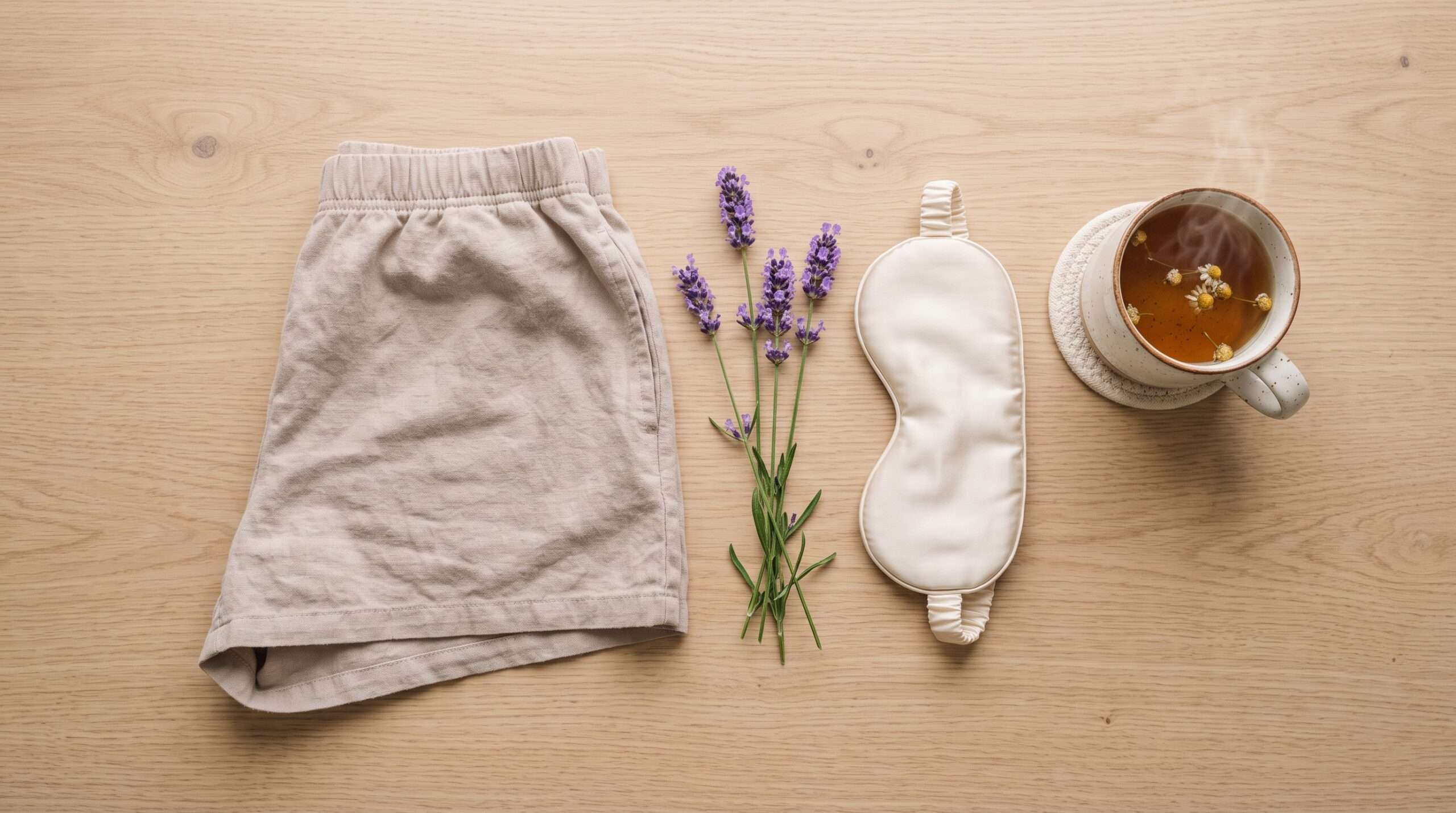
To truly understand the value of specialized sleepwear, it helps to see how it stacks up against the alternatives.
| Feature | Dreamer Shorts (Bamboo/Modal) | Traditional Pajama Pants | Athletic Gym Shorts | Sleeping Naked |
| Thermoregulation | Excellent (Releases lower body heat) | Poor (Traps heat, leading to overheating) | Moderate (Synthetic fibers trap microclimate heat) | Excellent (Complete skin exposure) |
| Mobility & Friction | High (Zero leg restriction) | Low (Prone to twisting and tangling) | Moderate (Often tight around the thighs) | High (Zero friction) |
| Moisture Wicking | High (Actively pulls sweat from skin) | Low (Standard cotton absorbs and stays damp) | Moderate (Designed for active sweat, not passive resting) | None (Sweat transfers directly to sheets) |
| Waistband Comfort | High (Soft, low-tension, non-restrictive) | Moderate (Varies by brand and material) | Low (Rigid elastic compresses the abdomen) | N/A (Maximum abdominal freedom) |
| Hygiene | High (Creates a clean barrier for bedding) | High (Full coverage barrier) | Moderate (Often worn for other activities first) | Low (Dead skin and sweat transfer directly to sheets) |
How to Choose the Perfect Pair for Your Sleep Profile
Not all sleepwear is created equal, and neither are sleepers. To maximize your holistic rest, align your purchase with your specific physiological needs.
Identifying Your “Sleep Identity”
-
The Hot Sleeper: If you frequently wake up kicking off the covers, prioritize thermoregulation. Look for dreamer shorts made strictly from bamboo viscose, Tencel, or lightweight linen. Avoid heavy cotton or anything with a fleece lining.
-
The Sensory Sleeper: If you toss and turn due to itchy tags, thick seams, or fabric texture, prioritize tactile smoothness. Look for seamless designs, tag-less waistbands, and brushed modal fabrics that offer a “second skin” sensation.
-
The Restless Sleeper: If you change positions dozens of times a night, prioritize mobility. Opt for a slightly shorter inseam and a blend that includes a small percentage of elastane or spandex for four-way stretch.
Sizing for Rest, Not Fashion
When buying everyday clothing, we often look for a tailored, flattering fit. When purchasing sleepwear, you must abandon this mindset. Always size up.
A tight waistband is one of the most hidden disruptors of deep sleep. Compression around the abdomen restricts the diaphragm. When your diaphragm is restricted, your breathing becomes shallow and chest-focused, which subtly signals stress to the brain. A loose, relaxed fit allows for deep, expansive belly breathing, which is essential for maintaining a calm heart rate throughout the night.
Integrating Sleepwear into a Holistic Nighttime Ritual
Achieving deep, restorative sleep requires more than just a wardrobe change; it requires a systemic transition from the chaos of the day to the tranquility of the night. Your dreamer shorts are the uniform for this transition.
The Transition Phase
Make changing into your sleepwear a deliberate, mindful act. Rather than throwing them on right before jumping into bed, change into your sleep shorts 30 to 60 minutes before your target sleep time. This physical transition initiates the psychological wind-down.
Pairing with Breathwork & Meditation
For those who practice holistic well-being, the moments before sleep are ideal for grounding exercises. Because proper sleep shorts do not restrict the abdomen, they are perfectly suited for pre-sleep yoga nidra, body-scan meditations, or 4-7-8 breathwork. Sit comfortably on the edge of your bed or on a meditation cushion; the unrestrictive fabric allows your diaphragm to expand fully, maximizing the parasympathetic nervous system’s relaxation response.
The 30-Minute Rule
Once the dreamer shorts are on, consider it a physical boundary against digital stress. Implement a rule: once the sleepwear is on, screens are turned off. Replace doom-scrolling with reading a physical book, journaling, or engaging in light stretching. This combination of physical comfort and analog relaxation creates the ultimate environment for deep rest.
Frequently Asked Questions (FAQs)
Do dreamer shorts actually help with night sweats?
Yes. When made from specialized, naturally derived fabrics like bamboo or Tencel, they actively wick moisture away from the skin and dry rapidly. This prevents the clammy, freezing sensation that often wakes people up after an episode of night sweats.
Can I wear dreamer shorts during the winter?
Absolutely. Because optimal sleep requires a cool microclimate, it is better to regulate your temperature using layered blankets rather than heavy clothing. Dreamer shorts prevent you from overheating under a heavy winter duvet.
How often should I wash my sleep shorts?
For optimal sleep hygiene, you should wash your sleepwear every three to four wears. Dead skin cells, body oils, and microscopic sweat accumulate quickly, which can degrade the breathability of the fabric and introduce allergens into your sleep sanctuary.
Is it better to wear sleep shorts or sleep naked?
While sleeping naked provides excellent temperature regulation, dreamer shorts offer a crucial layer of hygiene. They absorb body oils and sweat that would otherwise soak directly into your mattress and sheets, keeping your overall sleep environment cleaner and fresher for longer.
Conclusion
We spend roughly one-third of our lives asleep. It is the foundational pillar upon which our daily energy, emotional resilience, and overall happiness are built. Yet, we frequently sabotage this vital recovery period by wearing restrictive, heat-trapping clothing to bed.
Dreamer shorts represent a simple, highly effective intervention in the pursuit of better sleep. By optimizing thermoregulation, eliminating physical friction, and serving as a psychological anchor for your nighttime routine, they remove the hidden barriers to deep rest. Upgrading your sleepwear is not just about physical comfort; it is a profound investment in your holistic well-being.
Take a moment tonight to evaluate what you are wearing to bed. Is it supporting your body’s natural rhythms, or is it working against them? Perhaps it is time to make the switch and finally experience the deep, uninterrupted rest your body deserves.