
We’ve all been there: you wake up with your heart racing, the lingering images of a bizarre, vivid dream fading just out of reach, leaving you confused and searching for meaning. But dreams are more than just random nighttime static. Neuroscience reveals that REM sleep is a crucial period where our brains process complex emotions, consolidate memories, and attempt to resolve waking anxieties. If you are ready to decode these cognitive messages, finding the best 10 dream analysis book options is your very first step toward bridging the gap between nighttime brain mechanics and waking psychological health.
The problem, however, is that the market is flooded with superficial “dream dictionaries.” These outdated guides offer unscientific, cookie-cutter answers—claiming that dreaming of falling always means a loss of control, for instance—that completely fail to support your individual psychological growth or holistic well-being. True dream analysis requires context, introspection, and proven methodology, not generic symbolism.
To truly unlock your subconscious, you need resources grounded in real clinical expertise and sleep science. We have rigorously evaluated the market to bring you a highly curated guide to the best 10 dream analysis book choices available this year. By blending clinical psychology, actionable interpretation methods, and modern neuroscience, this comprehensive guide will help you confidently choose the perfect book to translate your nighttime narratives into actionable daytime clarity.
Quick Picks: Top Dream Analysis Books at a Glance
For those looking to make a quick, informed decision, we have distilled our top recommendations into this mobile-friendly matrix.
| Rank & Book Title | Rating & Ideal Audience | Top Pro vs. Main Con |
| 1. Inner Work (R. Johnson) |
Pro: Highly actionable step-by-step framework
Con: Academic tone requires focused reading |
|
| 2. Why We Dream (A. Robb) |
Pro: Backed by modern sleep science
Con: Not a traditional dictionary/interpreter |
|
| 3. Man and His Symbols (C. Jung) | $10.00 |
Pro: Unmatched foundational authority
Con: Dense and theoretically heavy |
| 4. Wisdom of Your Dreams (Taylor) |
Pro: Focuses on actionable life growth
Con: Has a distinct spiritual leaning |
|
| 5. Have A Great Dream (L. Dalfen) |
Pro: Very accessible 6-point system
Con: May feel too basic for advanced readers |
|
| 6. Curious Dreamer’s Guide (Wagaman) |
Pro: 26 unique tactics for direct analysis
Con: The sheer volume of options can overwhelm |
|
| 7. Lucid Dreaming (R. Waggoner) |
Pro: Incredible niche expertise
Con: Scope goes beyond standard analysis |
|
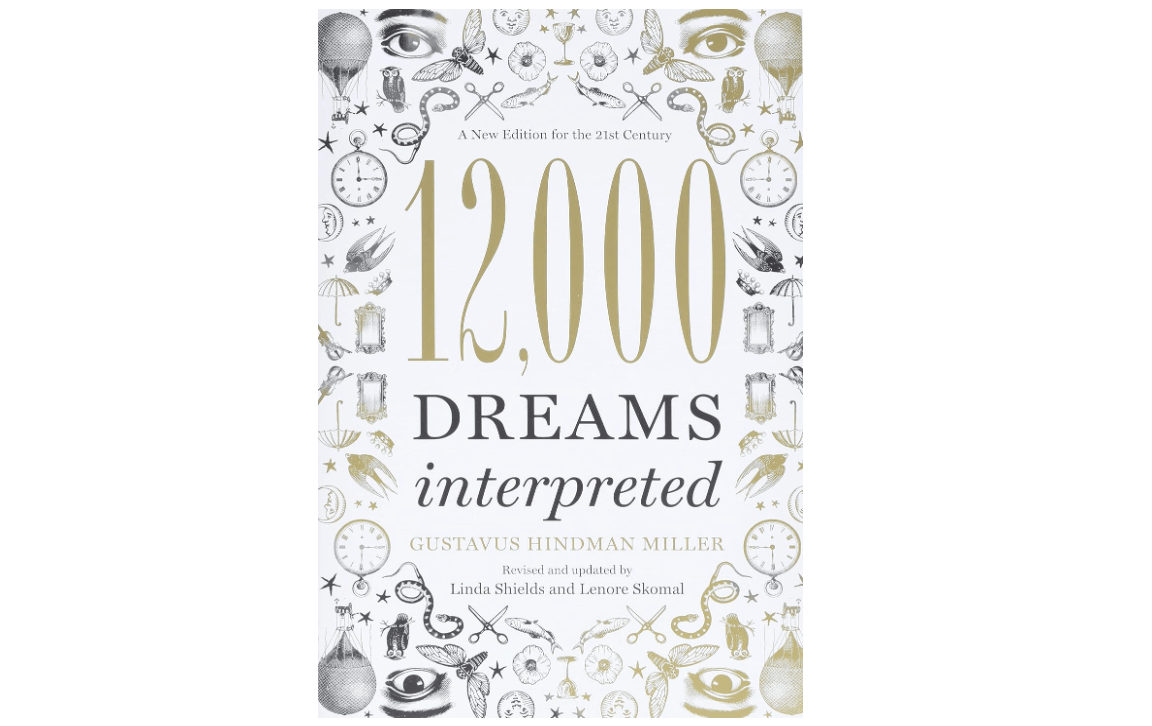
| 8. 12,000 Dreams Interpreted (Shields) |
Pro: Massive, easy-to-search index
Con: Highly generic symbol meanings |
|
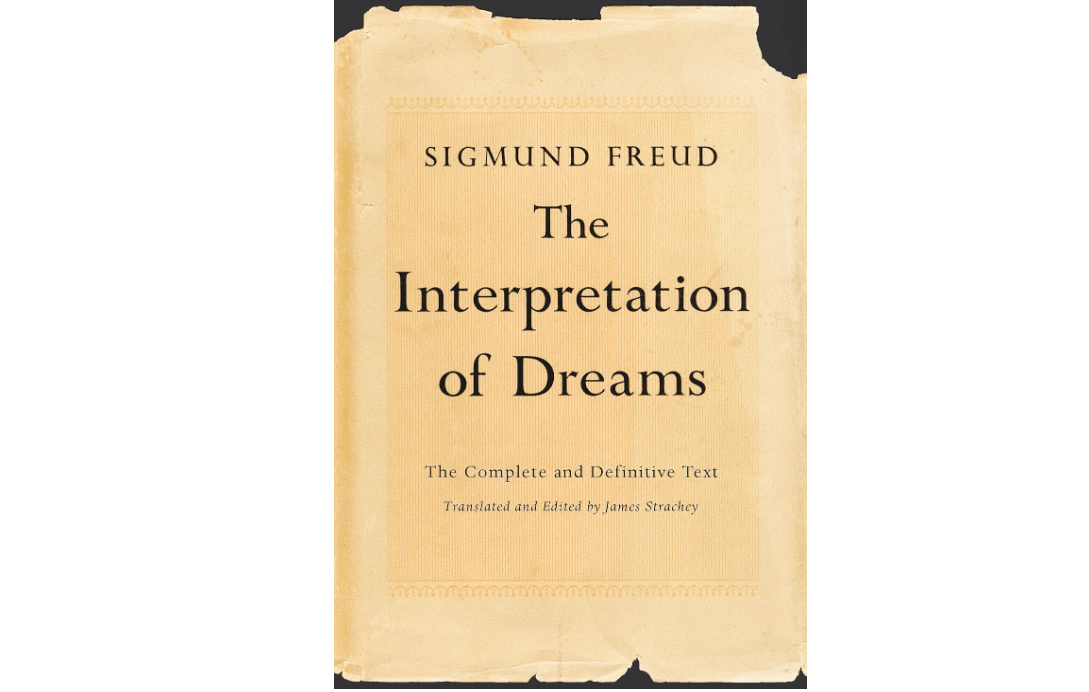
| 9. Interpretation of Dreams (Freud) |
Pro: Immense historical value
Con: Highly outdated psychological theories |
|
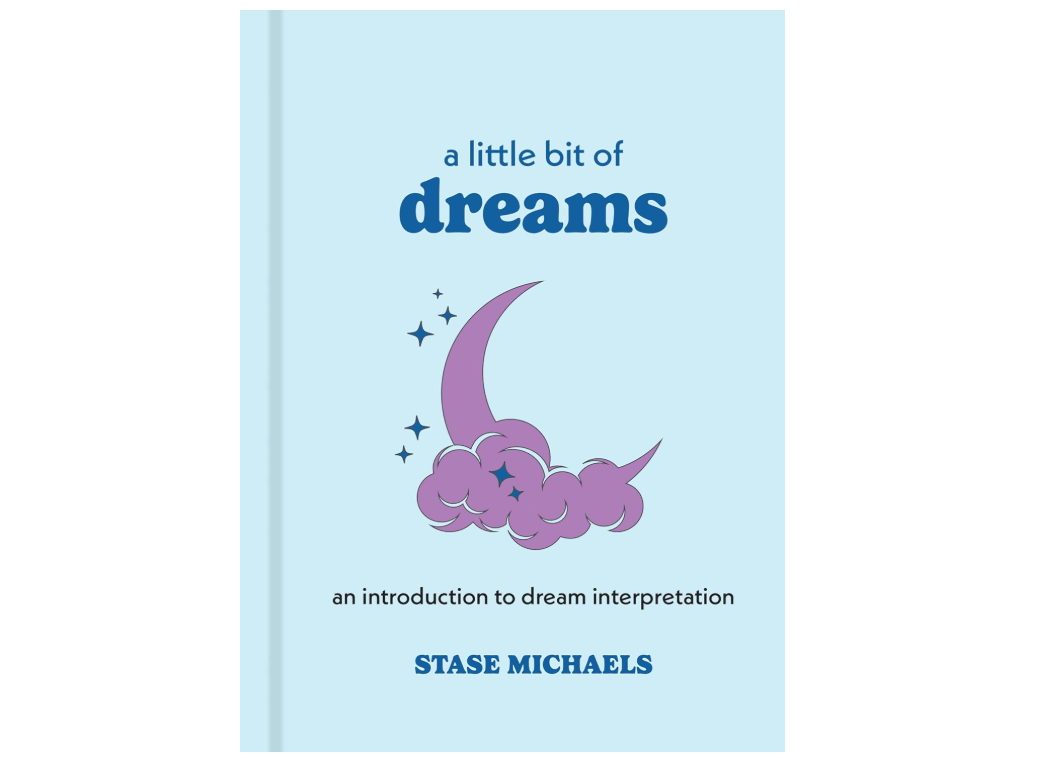
| 10. A Little Bit of Dreams (Michaels) |
Pro: Fast, easy weekend read
Con: Lacks the depth of longer clinical texts |
Detailed Product Reviews & Comparisons
1. Inner Work: Using Dreams and Active Imagination for Personal Growth by Robert A. Johnson
A Jungian analyst’s masterclass in turning subconscious imagery into conscious action.
Robert A. Johnson takes the complex theories of Carl Jung and distills them into a practical, four-step framework known as “active imagination.” Instead of just telling you what a symbol means, this book teaches you how to dialogue with your subconscious to achieve profound holistic well-being and psychological balance.

Price Bracket:
Amazon Customer Rating: 4.8 out of 5 stars
Key Features and Benefits: Features a structured 4-step approach (Making Associations, Dynamics of the Dream, Interpretation, and Ritual). It bridges the gap between passive dreaming and active waking-life changes, ensuring your dream analysis leads to tangible personal growth.
Pros:
1.Provides a highly actionable, step-by-step methodology.
2.Empowers the reader to find their own meanings rather than relying on a dictionary.
Cons:
The writing leans academic and requires dedicated, focused reading.
Why it’s a good choice: It moves beyond surface-level entertainment and treats dream analysis as a legitimate tool for cognitive and emotional processing.
Ideal use case: Perfect for those who want to actively participate in their mental health journey, utilizing dreams as a therapeutic tool for self-discovery.
2. Why We Dream: The Transformative Power of Our Nightly Journey by Alice Robb
The perfect blend of modern neuroscience, sleep mechanics, and the history of dream research.
Science journalist Alice Robb strips away the mysticism of the dream world, replacing it with hard data, neurological insights, and compelling research. She explores how dreaming helps us process trauma, boost memory retention, and even enhance daytime problem-solving.

Price Bracket:
Amazon Customer Rating: 4.6 out of 5 stars
Key Features and Benefits: Explores the mechanics of REM sleep, the evolutionary purpose of nightmares, and the cognitive benefits of lucid dreaming. It validates the importance of dreams through the lens of modern brain science.
Pros:
- Incredibly well-researched and grounded in scientific evidence.
- Written in an engaging, narrative-driven journalistic style.
Cons:
It is not a “how-to” manual or a symbol dictionary; it is an exploration of the science of dreaming.
Why it’s a good choice: It validates the practice of dream tracking for logical thinkers who might be skeptical of traditional psychological analysis.
Ideal use case: Ideal for science enthusiasts, bio-hackers, and anyone fascinated by the brain mechanics behind why we spend a third of our lives asleep.
3. Man and His Symbols by Carl G. Jung
The foundational text of modern dream psychology, written for the everyday reader.
Conceived by Carl Jung right before his death, this book was explicitly designed to explain his complex theories of the unconscious mind and archetypes to the general public. It remains the gold standard for understanding how universal human symbols manifest in our nightly rest.

Price Bracket: $10.00
Amazon Customer Rating: 4.7 out of 5 stars
Key Features and Benefits: Breaks down the “Collective Unconscious,” the role of archetypes (like the Shadow or the Anima), and provides extensive visual references and case studies to illustrate how the brain communicates through metaphor.
Pros:
- Authored by the founding father of analytical psychology.
- Richly illustrated to help visualize complex symbolic concepts.
Cons:
Despite being written for laypeople, the theoretical depth can be dense and heavy.
Why it’s a good choice: If you want to understand the root psychology of why human brains generate the images they do, there is no more authoritative source.
Ideal use case: Essential reading for psychology students, deep thinkers, and anyone wanting to build their dream analysis practice on a rock-solid historical foundation.
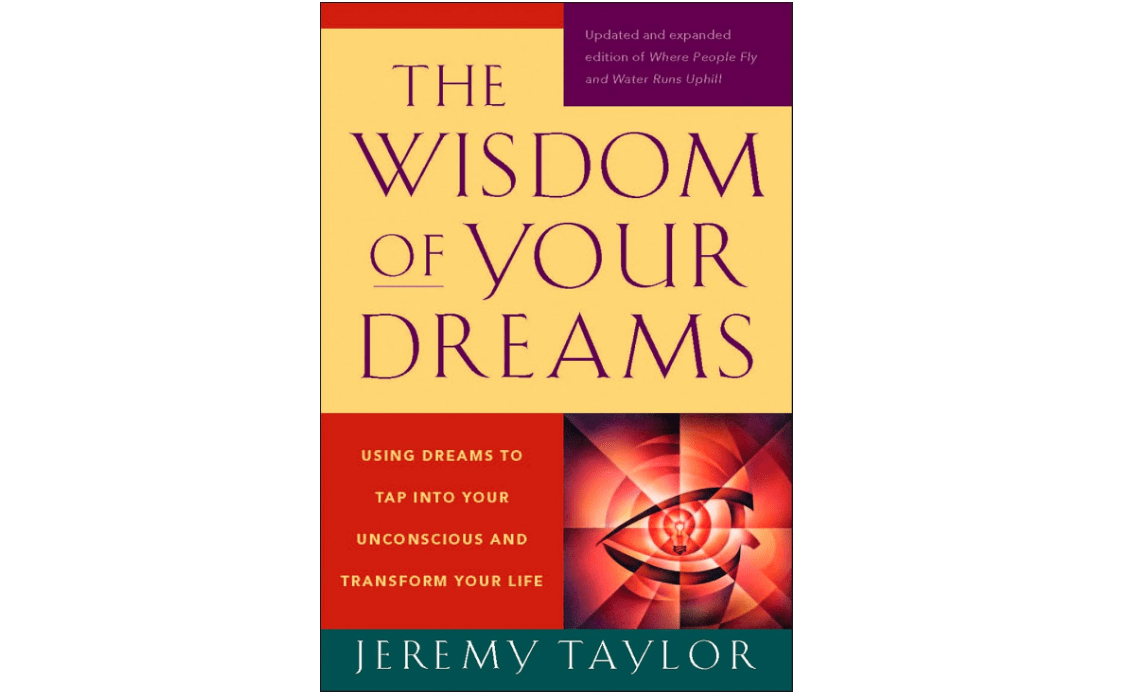
4. The Wisdom of Your Dreams by Jeremy Taylor
A community-focused guide to harnessing dreams for radical self-transformation and holistic health.
Jeremy Taylor operates on the fundamental belief that all dreams come in the service of health and wholeness. This book stands out by emphasizing that dreams are not just individual experiences, but tools that can be shared to foster deep empathy and collective understanding.
Price Bracket:
Amazon Customer Rating: 4.7 out of 5 stars
Key Features and Benefits: Introduces the “Projective Geometry” of dreams and offers a comprehensive guide to organizing and running dream-sharing groups. It focuses heavily on the emotional resonance of dreams rather than rigid intellectual analysis.
Pros:
- Highly positive, growth-oriented framework for holistic well-being.
- Excellent guidance on how to safely discuss dreams with others.
Cons:
Carries a distinct spiritual and New Age tone that may not appeal to strictly clinical readers.
Why it’s a good choice: It shifts the focus from isolation to connection, showing how understanding your sleep can improve your waking relationships.
Ideal use case: Perfect for those looking to start a dream group, or readers who prefer a deeply empathetic, emotionally supportive approach to their subconscious.
5. Have A Great Dream: Book 1; The Overview by Layne Dalfen
The ultimate fast-track system for beginners to decode their dreams and solve waking problems.
Layne Dalfen cuts through the dense psychology to offer a highly practical, immediate approach. Her system is designed to help you figure out exactly which current waking-life problem your dream is trying to address, allowing you to use your sleep as a built-in problem-solving mechanism.

Price Bracket:
Amazon Customer Rating: 4.5 out of 5 stars
Key Features and Benefits: Features the proprietary “6-Points of Entry” system (Feelings, Action, Puns, Symbols, Plot, and Repetition). This structured checklist allows anyone, regardless of psychological background, to crack the code of a confusing dream in minutes.
Pros:
- Incredibly accessible and easy to implement immediately.
- Directly ties nighttime imagery to actionable daytime solutions.
Cons:
May feel a bit too basic or formulaic for those looking for deep philosophical exploration.
Why it’s a good choice: It treats dreams like practical puzzles with real-world applications, removing the intimidation factor from dream analysis.
Ideal use case: The absolute best starting point for total beginners who want fast, actionable insights without reading a dense textbook.
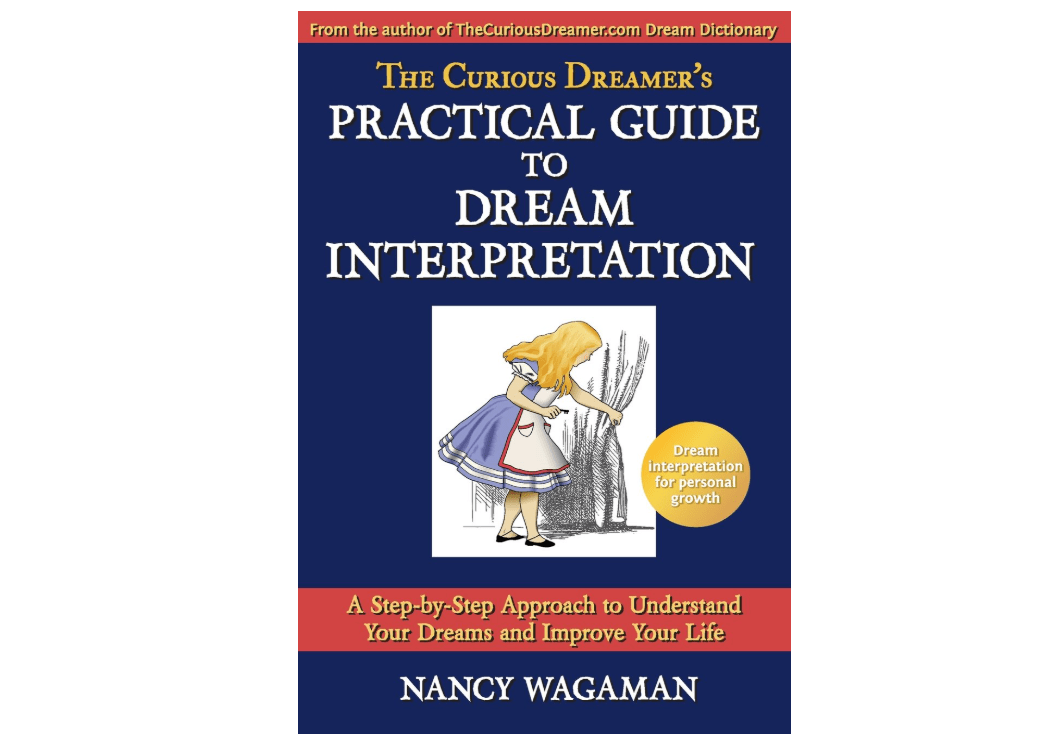
6. The Curious Dreamer’s Practical Guide to Dream Interpretation by Nancy Wagaman
A comprehensive, modular toolkit for readers who want multiple ways to crack their subconscious code. Nancy Wagaman steps away from the one-size-fits-all approach by acknowledging that every dream is unique and might require a different analytical tool. She offers a highly structured, objective methodology designed to keep the dreamer focused on uncovering meaning without getting lost in their own emotional biases.
Price Bracket:
Amazon Customer Rating: 4.6 out of 5 stars
Key Features and Benefits: The standout feature is its provision of 26 distinct, practical tactics for decoding specific dream elements. Whether you are analyzing a setting, a character, or a recurring action, this guide gives you a specific diagnostic tool for the job.
Pros:
- Highly structured and incredibly detailed.
- Allows you to mix-and-match techniques based on the specific dream.
Cons:
The sheer volume of techniques and choices can be overwhelming for casual readers.
Why it’s a good choice: It acts more like a mechanic’s toolbox for the mind, giving you a precise instrument for whatever nighttime narrative you encounter.
Ideal use case: Perfect for analytical thinkers who appreciate having a structured, almost mathematical approach to decoding their psychological state.
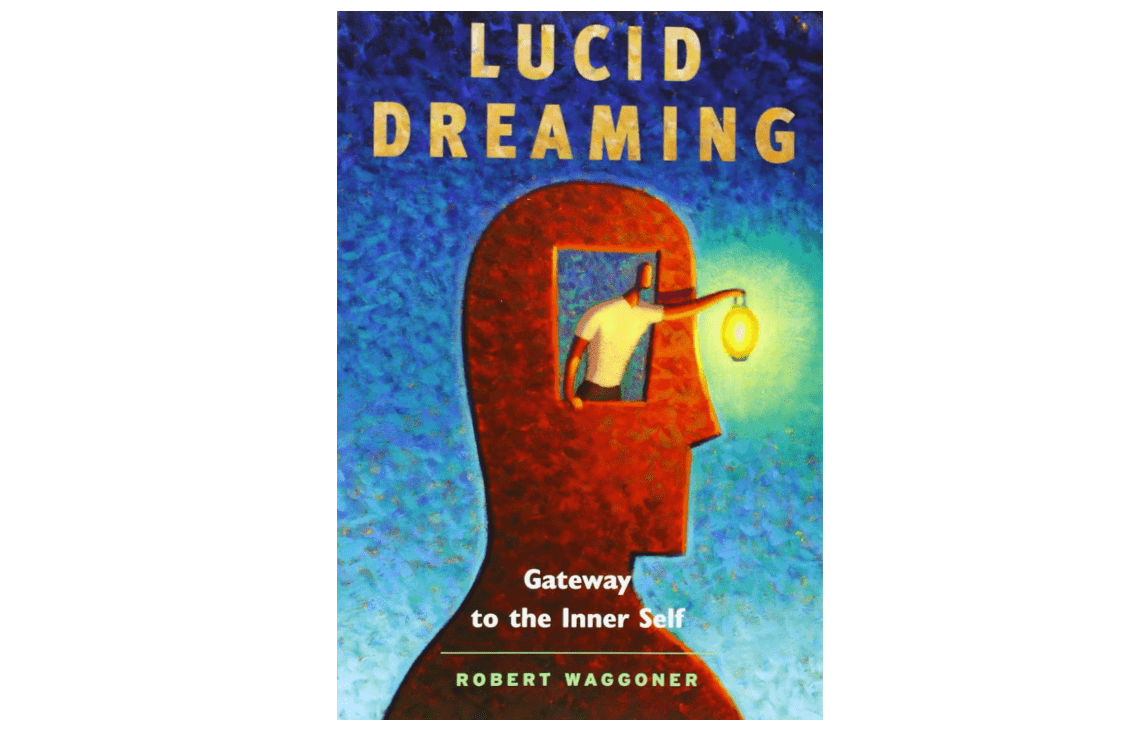
7. Lucid Dreaming: Gateway to the Inner Self by Robert Waggoner
The definitive guide to waking up inside your dreams and consciously navigating your brain mechanics. While most books focus on analyzing a dream after you wake up, Robert Waggoner teaches you how to analyze and interact with your subconscious while you are still asleep. Waggoner is a renowned expert in lucid dreaming, and this book merges personal experience with psychological theory.
Price Bracket:
Amazon Customer Rating: 4.8 out of 5 stars
Key Features and Benefits: Explores techniques for inducing lucidity, stabilizing the dream state, and asking direct questions to your subconscious mind. It bridges the gap between passive dream analysis and active, conscious exploration of the sleep state.
Pros:
- Incredible niche expertise from an authority in the field.
- Opens up entirely new dimensions for psychological healing and creativity.
Cons:
Lucid dreaming requires significant practice; it is not a quick-fix analytical tool.
Why it’s a good choice: It empowers you to stop being a passive audience member in your sleep and become the active director of your own cognitive well-being.
Ideal use case: For the adventurous sleeper, bio-hacker, or anyone who wants to take their nighttime exploration to the highest possible level.
8. 12,000 Dreams Interpreted by Gustavus Hindman Miller (Updated by Linda Shields)
The ultimate A-to-Z reference guide for rapid, classic symbol lookup. Originally written in the early 20th century, this massive tome has been updated by Linda Shields to reflect modern contexts. While we heavily advocate for personal interpretation, there is undeniable utility in having a vast, indexed dictionary of historical and cultural dream symbols at your fingertips.
Price Bracket:
Amazon Customer Rating: 4.5 out of 5 stars
Key Features and Benefits: A massive, alphabetized index covering thousands of specific images, from ancient archetypes to modern technology. It provides a baseline cultural meaning for almost any object you can imagine dreaming about.
Pros:
- The most comprehensive quick-reference guide on the market.
- Very easy to use when you just want a quick hint about a specific symbol.
Cons:
Provides highly generic meanings that lack the nuance of individualized clinical analysis.
Why it’s a good choice: It is the perfect supplementary text. While you shouldn’t rely on it exclusively, it is an excellent starting point when you are completely stumped by a random symbol.
Ideal use case: Ideal to keep on your nightstand for quick, immediate lookups the moment you wake up.
9. The Interpretation of Dreams by Sigmund Freud
The historical monolith that birthed the modern era of psychoanalysis. No list of the best 10 dream analysis book options is complete without the text that started it all. Sigmund Freud introduced the radical idea that dreams are the “royal road to the unconscious,” driven by repressed desires and wish fulfillment.
Price Bracket:
Amazon Customer Rating: 4.6 out of 5 stars
Key Features and Benefits: Outlines Freud’s core concepts, including the Oedipus complex, manifest versus latent content, and the mechanism of dream censorship. It provides the historical bedrock upon which all modern dream psychology is built.
Pros:
- Immense historical and academic value.
- Beautifully written case studies that read like psychological detective stories.
Cons:
Many of Freud’s theories on psychosexual development are considered highly outdated by modern psychology.
Why it’s a good choice: Understanding Freud allows you to understand the evolution of psychological thought and how our understanding of the brain has progressed.
Ideal use case: A must-read for history buffs, psychology students, and purists wanting to read the original source material of dream theory.
10. A Little Bit of Dreams: An Introduction to Dream Interpretation by Staci Michaels
A bite-sized, approachable primer for busy readers looking to dip their toes into the subconscious. If the prospect of reading a dense psychological text like Jung or Freud sounds exhausting, Staci Michaels offers the perfect antidote. At just 128 pages, this book strips away the academic jargon to deliver a fast, engaging overview of what dreams mean and how to track them.
Price Bracket:
Amazon Customer Rating: 4.7 out of 5 stars
Key Features and Benefits: Covers the basics of keeping a dream journal, recognizing common dream themes (like flying or falling), and offers simple tips for improving dream recall.
Pros:
- A fast, breezy weekend read.
- Highly affordable and unintimidating.
Cons:
Lacks the depth, methodology, and scientific rigor of the longer texts on this list.
Why it’s a good choice: It provides just enough information to get you started on your journey toward holistic well-being without overwhelming you with complex theory.
Ideal use case: The perfect gift for a curious friend or a busy professional who wants a light introduction to the topic.
E-E-A-T Buying Guide: How to Choose the Right Book for Your Subconscious Journey
With so many approaches to analyzing the nighttime mechanics of the brain, making an informed decision depends entirely on your personal goals and learning style. Here is how to navigate our top recommendations:
For the Clinical & Psychological Deep-Diver: If you want to understand the foundational roots of your psyche and are willing to engage with complex theories, you cannot bypass the masters. Jung’s Man and His Symbols offers profound archetype theory, while Freud’s The Interpretation of Dreams provides vital historical context. For a modern, actionable approach to these deep concepts, Johnson’s Inner Work is unmatched.
For the Science & Neuroscience Enthusiast: If you prefer data, biology, and brain mechanics over spiritual interpretation, Robb’s Why We Dream is your best bet. It perfectly aligns the act of dreaming with the biological necessity of holistic well-being and memory consolidation.
For Practical, Fast-Action Problem Solving: If you view your dreams as puzzles to be solved to improve your waking life, look to the practical guides. Dalfen’s Have A Great Dream is the absolute best for beginners wanting immediate results, while Wagaman’s Curious Dreamer’s Guide offers the most comprehensive toolkit for targeted analysis.
Equip Yourself for Success
Reading the best 10 dream analysis book options will give you the theory, but true holistic well-being and subconscious mastery require practice.
Our top recommendation? Do not buy one of these books without also investing in a high-quality, dedicated dream journal. The science is clear: dream recall fades within minutes of waking. Keeping a dedicated journal on your nightstand to immediately record your nighttime narratives is the crucial first step before any analysis can begin. Pair your chosen guide with a solid journaling habit, and you will be well on your way to unlocking the profound clarity hidden within your sleep.