

We’ve all been there. You put in the hours, grind through your daily routine, yet still feel completely stuck in a rut. It’s as if your brain’s neural pathways are running on a continuous loop of stagnation, leaving you feeling mentally exhausted despite your hardest efforts. If you are looking to break those ingrained patterns and finally move forward, finding the right resources is crucial, which is why we’ve compiled this comprehensive guide to the Best 10 books for growth.
The cost of ignoring this feeling of stagnation is high. Watching months or even years slip by without making meaningful progress in your career, relationships, or holistic well-being can lead to deep frustration. You end up repeating the same cognitive mistakes and behavioral cycles, wondering why nothing ever changes while the world moves forward around you.
But here is the good news: you don’t have to figure it all out on your own. Reading is arguably the highest-ROI investment you can make in yourself. The right book acts as a portable mentor, compressing decades of scientific research, lived experience, and psychological breakthroughs into a few hundred pages. By absorbing these insights, you can literally begin rewiring your mind for mindfulness, resilience, and lasting success.
However, the self-improvement market is flooded with thousands of generic, repetitive titles that offer empty platitudes rather than actionable systems. We’ve cut through the noise to bring you the definitive list. Whether you are looking to master your daily habits, understand the mechanics of your own motivation, or cultivate a profound sense of inner peace, this carefully curated selection of the Best 10 books for growth provides the ultimate blueprint to transform your potential into reality.
Quick Picks & Comparison Table
If you are short on time and want to jump straight into rewiring your habits or shifting your perspective, here is a quick look at our top recommendations.
Best for Building Consistency: Atomic Habits by James Clear
Best for Shifting Perspective: Mindset by Carol S. Dweck
Best for Professional Focus: Deep Work by Cal Newport
Best for Emotional Resilience: Daring Greatly by Brené Brown
Summary Comparison Table
(Optimized for mobile readability)
| Book Title & Author | Core Theme | Best For |
| Atomic Habits (James Clear) | Habit Formation | Building consistent daily routines |
| Mindset (Carol S. Dweck) | Cognitive Psychology | Overcoming fear of failure |
| The 7 Habits (Stephen R. Covey) | Principle-Centered Living | Long-term character development |
| Deep Work (Cal Newport) | Intense Focus | Boosting professional productivity |
| Thinking, Fast and Slow (Daniel Kahneman) | Brain Mechanics | Improving decision-making |
| Daring Greatly (Brené Brown) | Emotional Intelligence | Cultivating courage & connection |
| Grit (Angela Duckworth) | Perseverance | Achieving long-term goals |
| Man’s Search for Meaning (Viktor Frankl) | Existential Purpose | Finding resilience in adversity |
| The Psychology of Money (Morgan Housel) | Behavioral Finance | Mindful wealth building |
| Essentialism (Greg McKeown) | Intentional Living | Eliminating mental clutter |
How We Chose and Evaluated These Books
To determine the Best 10 books for growth, we looked far beyond flashy marketing and best-seller lists. We evaluated hundreds of titles based on a rigorous set of criteria to ensure every recommendation provides tangible, holistic value.
First, we prioritized scientific and psychological backing. We favored books rooted in actual brain science, behavioral psychology, and evidence-based research rather than purely anecdotal advice. Second, we assessed the actionability of the content. A great book shouldn’t just inspire you; it must provide practical frameworks—like habit stacking or time blocking—that you can immediately implement. Finally, we analyzed long-term relevance and reader consensus. By parsing through thousands of verified Amazon reviews and community ratings, we ensured these books have genuinely helped readers achieve sustainable transformations in their personal and professional lives.
Deep-Dive Product Reviews: The Best 10 Books for Growth
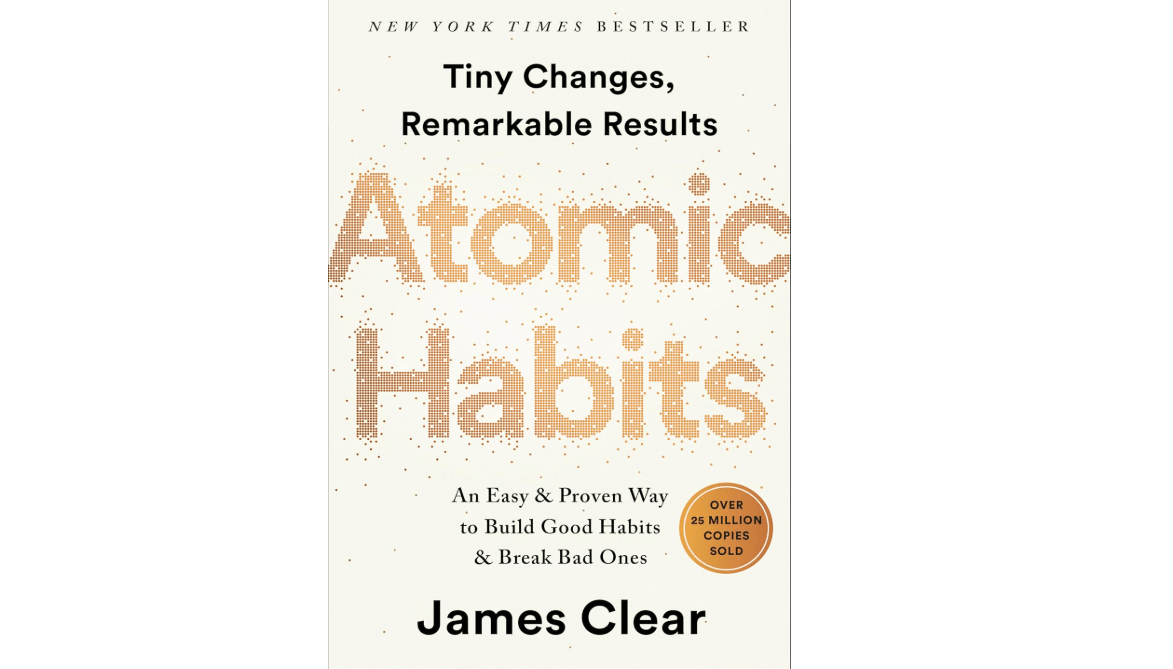
1. Atomic Habits: An Easy & Proven Way to Build Good Habits & Break Bad Ones by James Clear
Compelling Description:
If you want to understand the actual mechanics of how your brain forms routines, Atomic Habits is the gold standard. James Clear strips away the myth of overnight success and instead focuses on the compound interest of self-improvement. By breaking down the neuroscience of habit formation into a simple “Cue, Craving, Response, Reward” loop, Clear demonstrates how tiny, 1% daily changes inevitably lead to massive life transformations. Rather than relying on fleeting motivation, this book teaches you how to design an environment that makes good habits effortless and bad habits impossible.
Price:
Key Features and Benefits:
-
The Four Laws of Behavior Change: A clear framework to make good habits obvious, attractive, easy, and satisfying.
-
Identity-Based Habits: Teaches you to focus on who you wish to become rather than just what you want to achieve.
-
Habit Stacking: A highly practical method of attaching new behaviors to deeply ingrained existing neural pathways.
Pros and Cons:
-
Pros: Incredibly actionable, zero fluff, backed by behavioral science, and highly readable.
-
Cons: If you have extensively studied behavioral psychology, some of the underlying studies might feel familiar.
Amazon Customer Ratings and Reviews:
Rated an astonishing 4.8 out of 5 stars with over 120,000 global ratings. Readers consistently praise it as the most practical self-help book they have ever read, frequently mentioning how the “habit stacking” technique immediately changed their daily routines.
Why It’s a Good Choice:
It tackles the foundational mechanics of how to grow before you even figure out what to grow. Without solid habits, other personal development efforts often fail.
Ideal Use Case or Who Should Buy It:
Anyone struggling with procrastination, looking to establish a consistent meditation or fitness routine, or wanting to optimize their daily workflow without burning out.
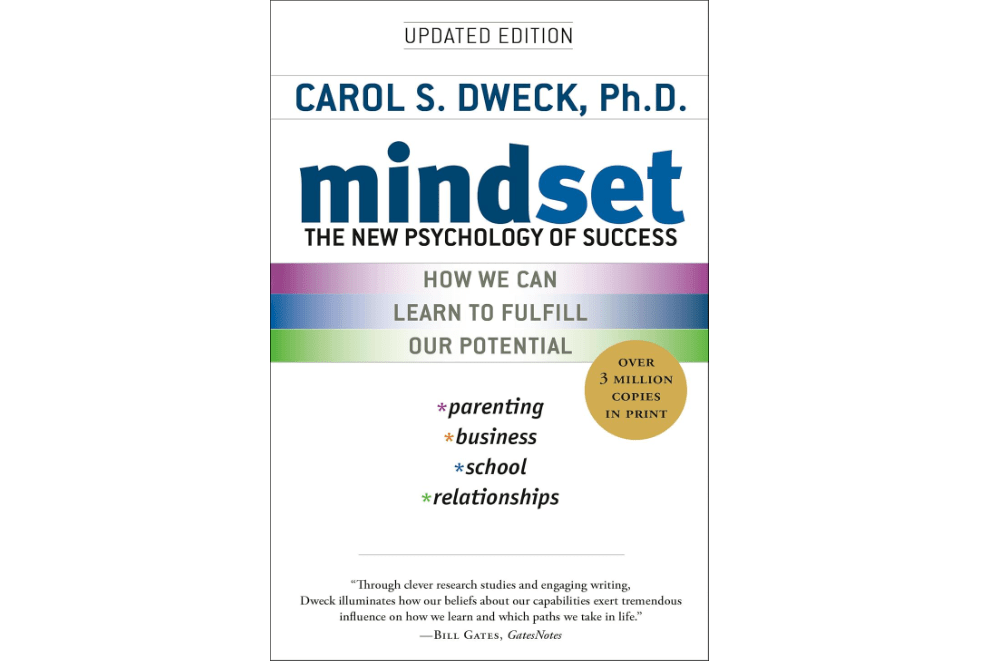
2. Mindset: The New Psychology of Success by Carol S. Dweck
Compelling Description:
Stanford psychologist Carol S. Dweck revolutionized the way we understand human potential with this groundbreaking book. Mindset dives deep into the cognitive framework that dictates how we perceive our own abilities. Dweck categorizes people into two camps: the “Fixed Mindset” (believing intelligence and talent are static) and the “Growth Mindset” (believing abilities can be developed through dedication and hard work). This book acts as a mirror, exposing the hidden beliefs that hold us back, and provides a scientifically backed roadmap to rewire our brains for resilience, learning, and ultimate success.
Price:
Key Features and Benefits:
-
Paradigm-Shifting Concept: Clearly defines the subtle differences between fixed and growth mindsets across business, parenting, and relationships.
-
Actionable Cognitive Reframing: Teaches the power of “yet” (e.g., “I don’t know how to do this yet“).
-
Research-Heavy: Packed with decades of rigorous psychological studies presented in an accessible format.
Pros and Cons:
-
Pros: Fundamentally changes how you view failure; highly applicable to parenting, leadership, and personal holistic well-being.
-
Cons: The core concept is relatively simple and the book provides a lot of repetitive examples to drive the point home.
Amazon Customer Ratings and Reviews:
Rated 4.6 out of 5 stars with over 30,000 reviews. Customers frequently mention that it completely shifted how they speak to themselves and their children regarding failure and effort.
Why It’s a Good Choice:
Your mindset is the operating system for your life. Upgrading to a growth mindset is a prerequisite for absorbing and applying the lessons from any other book on this list.
Ideal Use Case or Who Should Buy It:
Perfectionists paralyzed by the fear of failure, leaders trying to foster a healthy team culture, and individuals looking to overcome self-limiting beliefs.
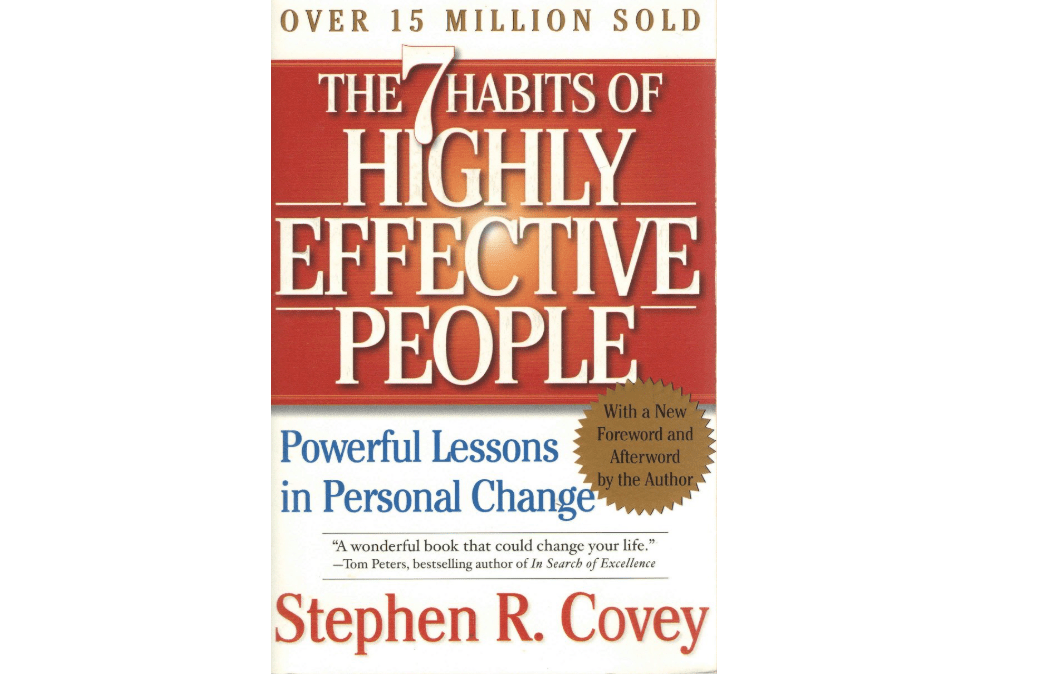
3. The 7 Habits of Highly Effective People by Stephen R. Covey
Compelling Description:
While many modern self-help books focus on quick hacks, Stephen R. Covey’s masterpiece remains one of the Best 10 books for growth because it focuses on timeless, principle-centered character development. Covey argues that true success encompasses a holistic balance of personal and professional effectiveness. The book walks readers through a maturity continuum, moving from dependence to independence, and finally to interdependence. From “Begin with the End in Mind” to “Sharpen the Saw,” these habits are foundational for creating a life of deep meaning and high output.
Price:
Key Features and Benefits:
-
Inside-Out Approach: Focuses on shifting fundamental paradigms rather than just altering surface-level behaviors.
-
The Time Management Matrix: A brilliant framework for categorizing tasks by urgency and importance to reduce stress.
-
Holistic Renewal: “Sharpen the Saw” emphasizes the necessity of maintaining physical, mental, emotional, and spiritual well-being.
Pros and Cons:
-
Pros: Deeply profound, universally applicable, and encourages genuine character growth over superficial success.
-
Cons: The language can feel slightly dense and formal compared to punchier, modern self-improvement books.
Amazon Customer Ratings and Reviews:
Rated 4.8 out of 5 stars with over 40,000 reviews. Readers revere it as a “life manual” that they reread every few years to stay grounded.
Why It’s a Good Choice:
It provides a comprehensive, moral framework for decision-making that ensures your pursuit of success doesn’t compromise your core values or relationships.
Ideal Use Case or Who Should Buy It:
Professionals seeking authentic leadership skills, individuals feeling misaligned with their life’s purpose, or anyone wanting to build deeply trusting relationships.
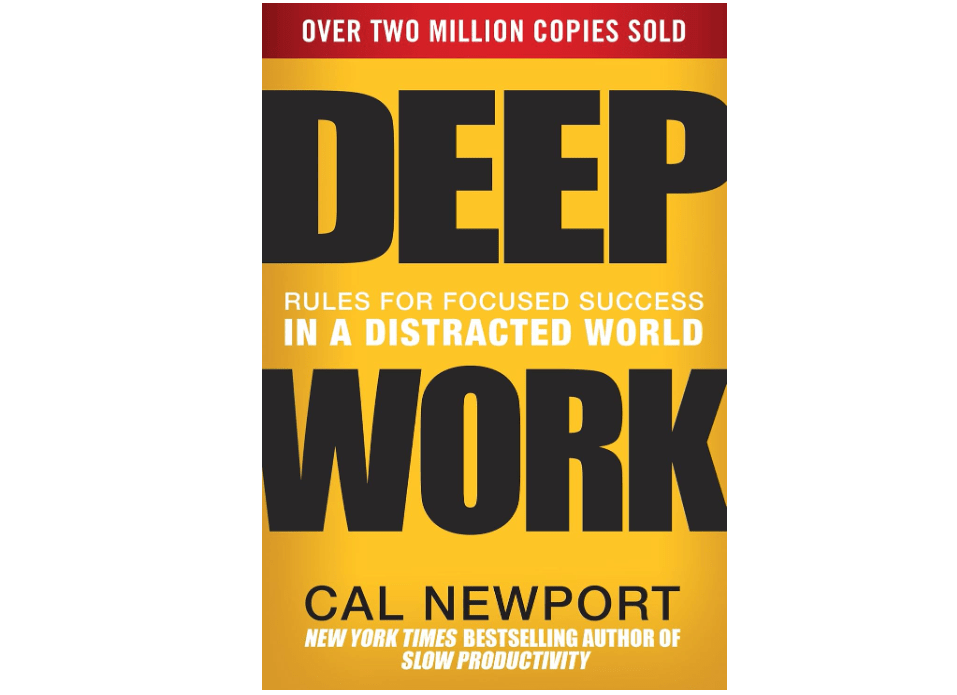
4. Deep Work: Rules for Focused Success in a Distracted World by Cal Newport
Compelling Description:
In an era where our attention is fractured by endless notifications and dopamine-driven scrolling, Deep Work is the ultimate antidote. Computer science professor Cal Newport defines “deep work” as the ability to focus without distraction on a cognitively demanding task. Newport argues that this ability is becoming increasingly rare at exactly the same time it is becoming increasingly valuable in our economy. This book bridges the gap between brain mechanics and workplace productivity, teaching you how to ruthlessly eliminate “shallow work” and train your mind to sustain long periods of intense, productive concentration.
Price:
Key Features and Benefits:
-
The Deep Work Hypothesis: Makes a compelling economic and neurological case for why focus is a superpower.
-
The Four Rules: Work Deeply, Embrace Boredom, Quit Social Media, and Drain the Shallows.
-
Attention Training: Practical exercises to rebuild your brain’s capacity for sustained focus.
Pros and Cons:
-
Pros: Highly relevant to the modern digital age; provides extreme but effective strategies for taking back control of your time.
-
Cons: The advice (like quitting social media entirely) can be difficult to implement for certain professions (like digital marketing).
Amazon Customer Ratings and Reviews:
Rated 4.6 out of 5 stars with over 25,000 reviews. Reviewers constantly credit this book with saving their careers and dramatically reducing their daily anxiety by clearing mental clutter.
Why It’s a Good Choice:
Growth requires learning complex new skills and producing high-quality output. Neither is possible if your brain is constantly seeking the next cheap dopamine hit.
Ideal Use Case or Who Should Buy It:
Knowledge workers, students, writers, and anyone who feels they spend all day being “busy” without actually accomplishing anything meaningful.
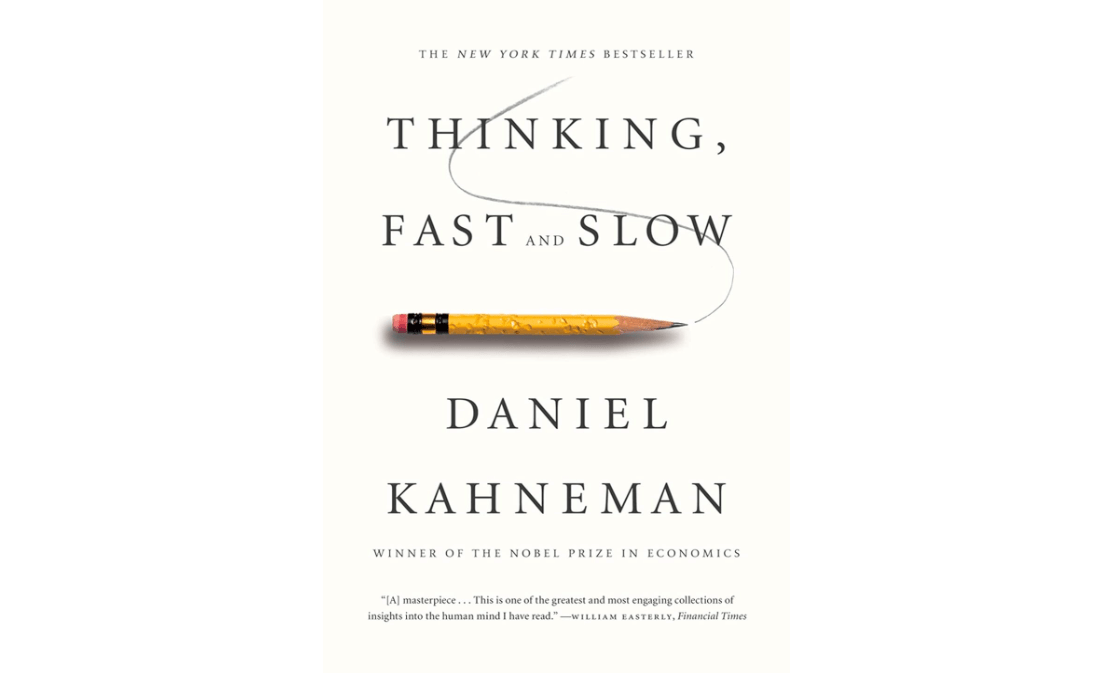
5. Thinking, Fast and Slow by Daniel Kahneman
Compelling Description: To achieve genuine personal transformation, you must first understand the mechanics of your own brain. Nobel laureate Daniel Kahneman provides a masterclass in cognitive psychology, breaking down the mind into two distinct systems: System 1 (fast, intuitive, and emotional) and System 2 (slow, deliberative, and logical). Thinking, Fast and Slow reveals how cognitive biases, heuristics, and time distortion affect our everyday choices. By learning how these systems interact, you can short-circuit irrational emotional reactions and make clearer, more mindful decisions regarding your career, relationships, and well-being.
Price:
Key Features and Benefits:
-
System 1 vs. System 2: A foundational framework for understanding how thoughts are generated and processed.
-
Cognitive Bias Breakdown: Identifies common mental traps like the anchoring effect, sunk cost fallacy, and confirmation bias.
-
Behavioral Economics: Applies brain science to practical financial and life decisions.
Pros and Cons:
-
Pros: Incredibly thoroughly researched; provides profound insights into human behavior and the origins of thought.
-
Cons: It is a dense, academic read that requires slow, intentional digestion rather than a quick skim.
Amazon Customer Ratings and Reviews: Rated 4.6 out of 5 stars with over 45,000 ratings. Readers frequently praise it as the most intellectually rigorous book they own, noting that it permanently changed how they evaluate risk and process information.
Why It’s a Good Choice: You cannot optimize a machine without reading the manual. This book serves as the user manual for the human brain, making it one of the absolute Best 10 books for growth for those who value science-backed self-improvement.
Ideal Use Case or Who Should Buy It: Analysts, leaders, psychology enthusiasts, and anyone who wants to stop making impulsive decisions driven by subconscious emotional triggers.
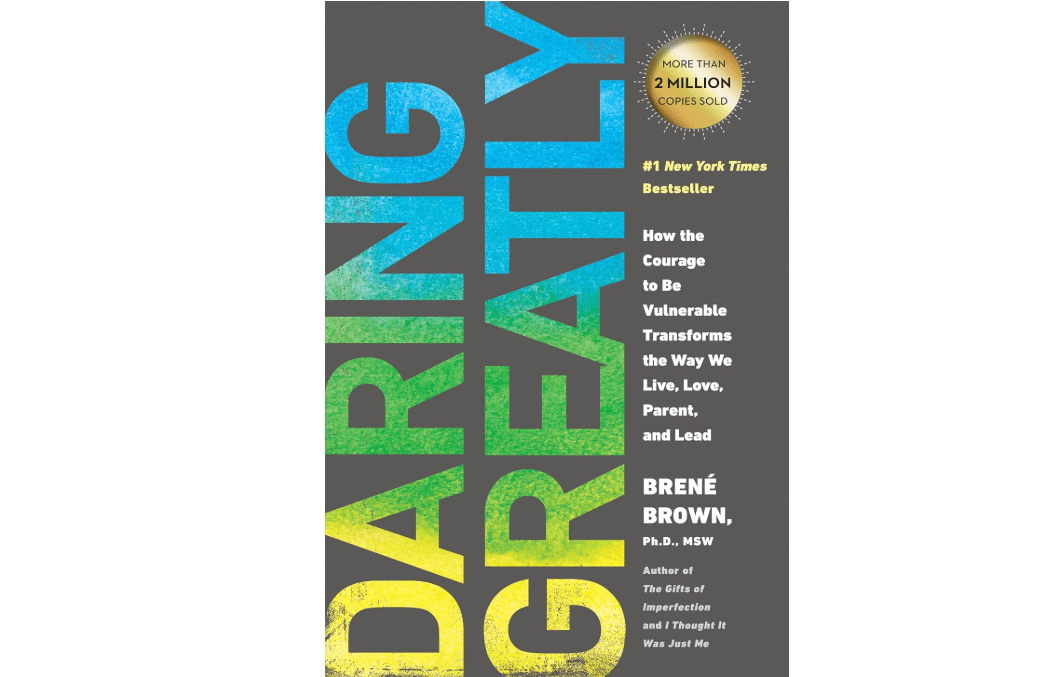
6. Daring Greatly: How the Courage to Be Vulnerable Transforms the Way We Live, Love, Parent, and Lead by Brené Brown
Compelling Description: Holistic well-being requires more than just optimized habits and cognitive sharpness; it requires emotional courage. Researcher Brené Brown dismantles the cultural myth that vulnerability is a weakness. Instead, Daring Greatly argues that stepping into the arena—exposing our true selves, risking failure, and embracing emotional discomfort—is the definitive birthplace of innovation, joy, and deep human connection. Brown’s work provides a compassionate but scientifically grounded roadmap for overcoming shame and cultivating a resilient, wholehearted life.
Price:
Key Features and Benefits:
-
Shame Resilience Theory: Actionable steps to recognize shame triggers and move through them constructively.
-
The Vulnerability Armory: Identifies the destructive ways we shield ourselves from emotional exposure (e.g., perfectionism, numbing).
-
Wholehearted Living: Strategies for cultivating gratitude, authenticity, and self-compassion.
Pros and Cons:
-
Pros: Deeply empathetic tone; transforms abstract emotional concepts into clear, actionable data.
-
Cons: Confronting personal shame and emotional armory can be mentally taxing for some readers.
Amazon Customer Ratings and Reviews: Rated 4.8 out of 5 stars with over 28,000 reviews. Fans love Brown’s storytelling ability, often stating the book felt like a powerful, deeply personal therapy session.
Why It’s a Good Choice: Growth often requires taking massive risks. This book provides the emotional armor necessary to handle the inevitable failures and rejections that come with stepping out of your comfort zone.
Ideal Use Case or Who Should Buy It: Anyone struggling with perfectionism, imposter syndrome, or building authentic relationships, as well as managers looking to build emotionally intelligent teams.
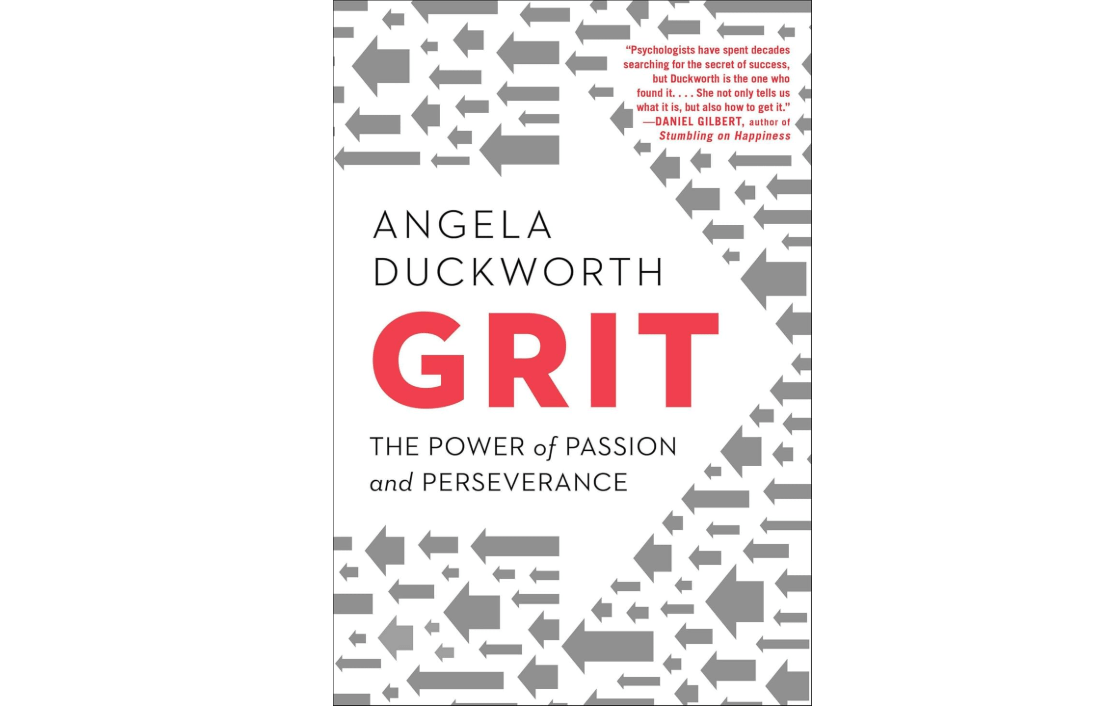
7. Grit: The Power of Passion and Perseverance by Angela Duckworth
Compelling Description: Why do some naturally talented individuals fail while less gifted peers achieve massive success? Psychologist Angela Duckworth answers this by isolating the ultimate predictor of long-term achievement: Grit. Blending passion with relentless perseverance, Grit demonstrates that sustained effort matters twice as much as innate talent. Duckworth explores the psychology of high achievers, teaching readers how to cultivate deep interest in their work, embrace deliberate practice, and wire their brains for long-term endurance.
Price: $0.99
Key Features and Benefits:
-
The Grit Scale: A measurable framework to determine your baseline resilience and passion.
-
Talent vs. Effort: The mathematical equation proving that effort counts twice in the acquisition of skill and achievement.
-
Cultivating Purpose: How to connect your daily, tedious tasks to a larger, meaningful overarching goal.
Pros and Cons:
-
Pros: Highly motivating, data-driven, and provides a clear pathway for developing psychological endurance.
-
Cons: Some critics argue the book occasionally downplays systemic barriers in favor of individual perseverance.
Amazon Customer Ratings and Reviews: Rated 4.6 out of 5 stars with over 25,000 reviews. Readers appreciate the scientific validation that they don’t need to be a genius to succeed—they just need to outlast the competition.
Why It’s a Good Choice: Personal growth is a marathon, not a sprint. This book provides the psychological fuel required to push through plateaus and maintain momentum over decades.
Ideal Use Case or Who Should Buy It: Athletes, entrepreneurs, students facing rigorous academic challenges, and anyone prone to quitting projects when the initial excitement fades.
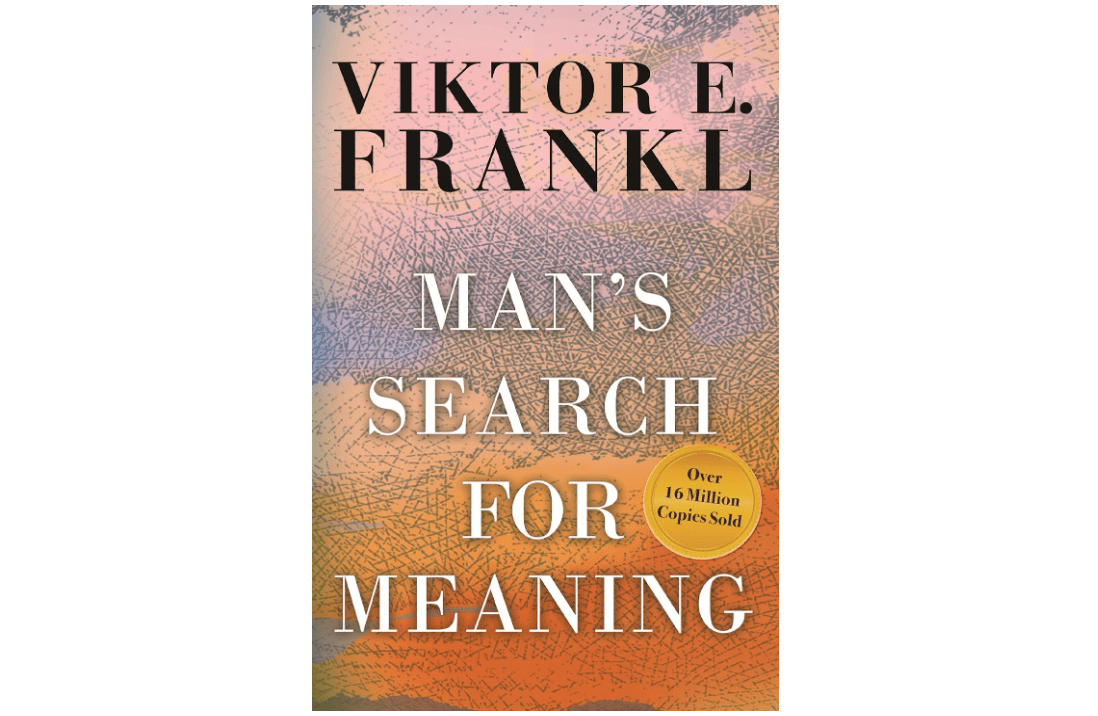
8. Man’s Search for Meaning by Viktor E. Frankl
Compelling Description: A profound pillar of existential psychology, Viktor E. Frankl’s memoir of surviving Nazi concentration camps is a testament to the indestructible nature of the human spirit. Frankl, a psychiatrist, observed that prisoners who survived were not necessarily the strongest, but those who maintained a sense of meaning—whether through love, a task to be completed, or dignity in suffering. The second half of the book introduces “Logotherapy,” emphasizing that our primary drive in life is not pleasure, but the discovery of purpose. It is a vital read for achieving true psychological resilience and holistic well-being.
Price:
Key Features and Benefits:
-
Logotherapy: A therapeutic approach focused on the future and the meanings to be fulfilled by the patient.
-
The Freedom to Choose: The concept that between stimulus and response, humans always have the freedom to choose their attitude.
-
Tragic Optimism: How to remain optimistic in spite of the “tragic triad” of pain, guilt, and death.
Pros and Cons:
-
Pros: Life-changing perspective shift; concise and profoundly moving.
-
Cons: The historical context (the Holocaust) is inherently dark and emotionally heavy.
Amazon Customer Ratings and Reviews: Rated 4.7 out of 5 stars with over 65,000 reviews. Readers universally describe it as a required text for humanity, noting that it instantly trivializes modern, day-to-day complaints.
Why It’s a Good Choice: It strips away the superficial layers of self-improvement to address the foundational core of human existence: why we endure.
Ideal Use Case or Who Should Buy It: Individuals navigating grief, burnout, or a severe crisis of purpose, and anyone seeking deep perspective on their current life challenges.
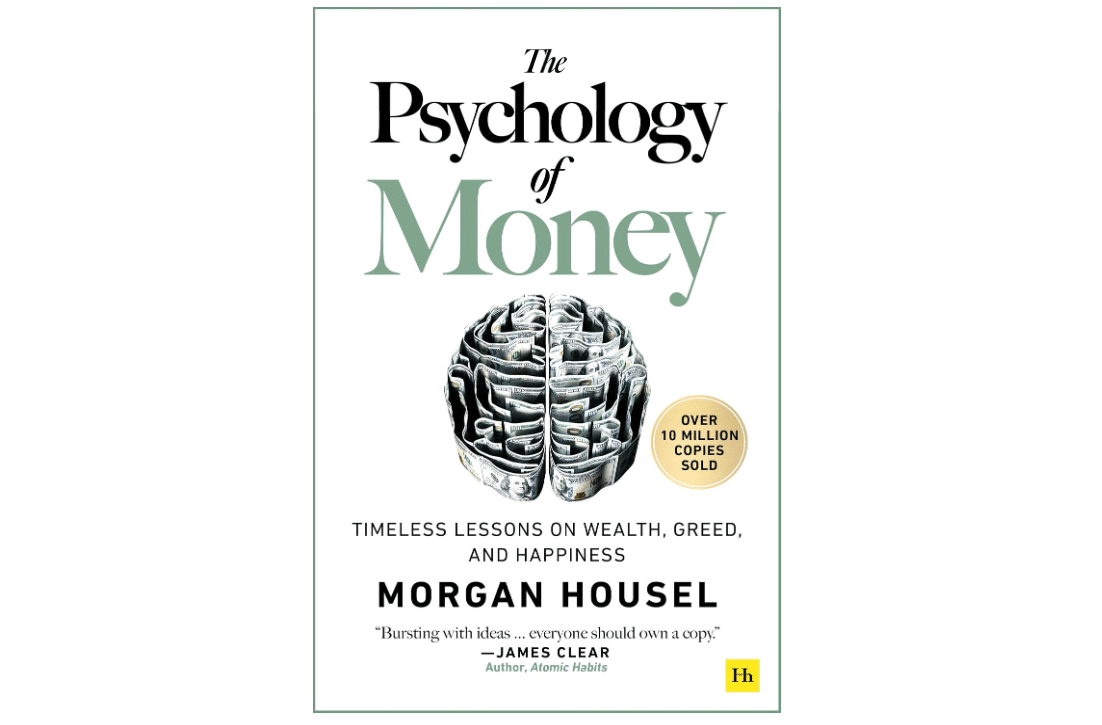
9. The Psychology of Money: Timeless Lessons on Wealth, Greed, and Happiness by Morgan Housel
Compelling Description: Financial growth is rarely about complex mathematical formulas; it is almost entirely about behavior and psychological conditioning. In The Psychology of Money, Morgan Housel uses 19 short, compelling stories to explore the strange ways people think about wealth. He explains how personal history, ego, and pride heavily distort financial decisions. By focusing on the brain science of risk and the true definition of “enough,” Housel provides a framework for building wealth that prioritizes peace of mind and holistic happiness over simply maximizing returns.
Price:
Key Features and Benefits:
-
Time and Compounding: Explains why patience and time are the most powerful financial forces in existence.
-
Wealth vs. Rich: The critical distinction between having visible assets (rich) and having unspent, hidden financial freedom (wealth).
-
The Role of Luck and Risk: Acknowledging that outcomes are rarely the sole result of individual effort, promoting financial humility.
Pros and Cons:
-
Pros: Extremely accessible, devoid of boring financial jargon, and focuses on mindset rather than math.
-
Cons: Does not provide specific investment portfolios or step-by-step budgeting formulas.
Amazon Customer Ratings and Reviews: Rated 4.7 out of 5 stars with over 50,000 ratings. Reviewers love the conversational tone and frequently note that it completely cured their financial anxiety.
Why It’s a Good Choice: Financial stress is a massive barrier to personal well-being. Correcting your psychological relationship with money frees up cognitive bandwidth for other areas of growth.
Ideal Use Case or Who Should Buy It: Anyone intimidated by traditional finance books, impulsive spenders, or individuals looking to align their financial habits with their long-term happiness.
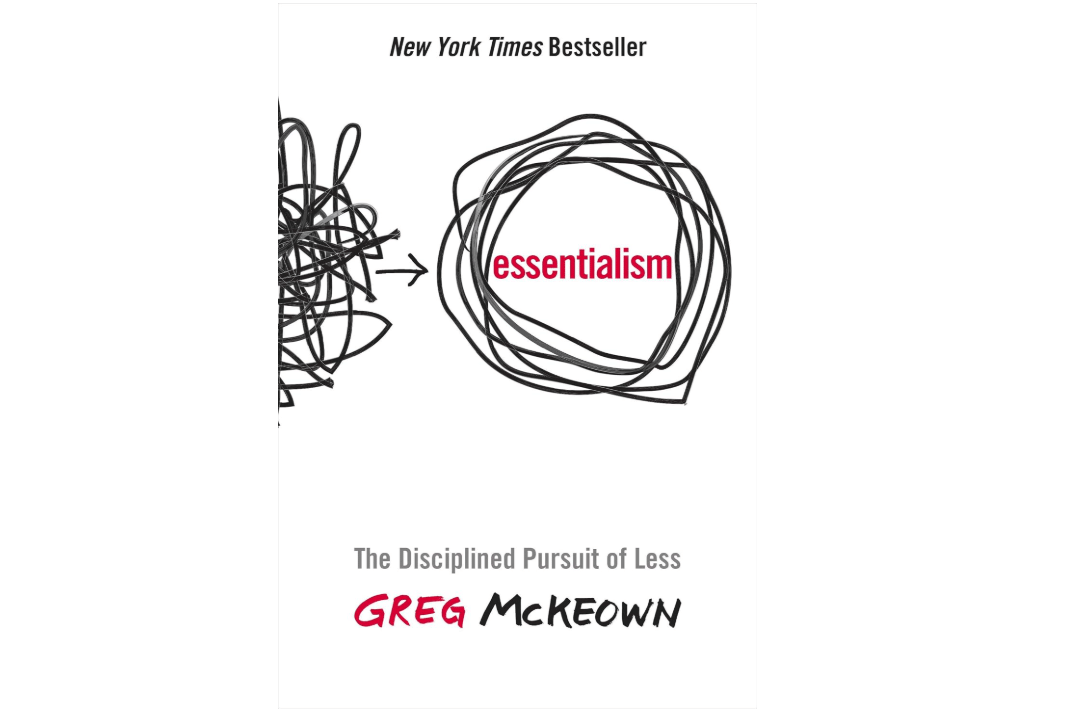
10. Essentialism: The Disciplined Pursuit of Less by Greg McKeown
Compelling Description: More effort does not always equal more output. In a world glorifying the hustle culture, Essentialism advocates for doing less, but better. Greg McKeown addresses the cognitive overload of modern life, teaching readers how to systematically identify the absolute essentials and eliminate everything else. Crucially, the book emphasizes the neuroscience of rest, arguing that protecting your sleep and downtime is a strategic necessity for high-level problem-solving, not a sign of weakness. It is the ultimate guide to reclaiming control over your time and energy.
Price:
Key Features and Benefits:
-
The Power of Extreme Criteria: If it isn’t a clear “yes,” then it is a definitive “no.”
-
Protecting the Asset: Highlights the critical importance of sleep, play, and unstructured thinking time for brain optimization.
-
The Essentialist Mindset: Shifting from “I have to do this” to “I choose to do this.”
Pros and Cons:
-
Pros: Highly liberating; provides permission to step off the treadmill of constant busyness.
-
Cons: Setting hard boundaries and saying “no” can be exceptionally difficult in demanding corporate cultures.
Amazon Customer Ratings and Reviews: Rated 4.6 out of 5 stars with over 20,000 reviews. Readers credit the book with saving them from severe burnout and helping them ruthlessly prioritize their family and health.
Why It’s a Good Choice: You cannot grow if you are stretched too thin. This book forces you to prune away the non-essential commitments so your best ideas have the space to flourish.
Ideal Use Case or Who Should Buy It: Chronic people-pleasers, overwhelmed executives, and anyone whose daily schedule is dictated by other people’s emergencies rather than their own priorities.
Buying Guide: How to Choose the Right Book for Your Growth Journey
Selecting the right title from the Best 10 books for growth depends entirely on where you currently feel the most friction in your life.
-
Identify Your Current Bottleneck: If you know exactly what you need to do but cannot seem to do it consistently, start with Atomic Habits. If you are struggling with financial anxiety, grab The Psychology of Money. If your mind feels fractured and exhausted by endless tasks, Essentialism or Deep Work will help clear the cognitive load.
-
Consider the Format for Your Routine: How you consume the content matters. Books with heavy frameworks like Atomic Habits or The 7 Habits are often best purchased in physical print so you can highlight and reference them. Conversely, narrative-driven titles like Daring Greatly or Can’t Hurt Me make phenomenal audiobooks to listen to during a commute or a mindful walk.
-
Implementation over Consumption: The biggest mistake readers make is binging self-help books without applying the concepts. Do not buy all ten books at once. Pick one, read it carefully (perhaps setting aside 20 minutes before sleep to replace doom-scrolling), and aggressively implement its core system for a month before moving on to the next.
Frequently Asked Questions (FAQ)
What is the best book to start my personal growth journey? For absolute beginners, Atomic Habits is the universal recommendation. It teaches you how to build the foundational discipline necessary to tackle any other area of personal development. Mindset is a close second, as it corrects the internal narrative required for sustained learning.
Are self-improvement books actually worth reading? Yes, but only if treated as active instruction manuals rather than passive entertainment. The ROI of reading is massive—if you apply just one cognitive framework or time-management technique from these books, it can compound into thousands of hours saved or massive leaps in your career and well-being.
How many personal growth books should I read a year? Focus on the quality of execution rather than the quantity of books consumed. Reading and deeply integrating the lessons from 3 to 4 profound books a year is vastly superior to skimming 50 books and changing nothing about your behavior.
Your journey toward mastery and holistic well-being begins with a single shift in perspective. Whether you are aiming to rewire your daily routines, protect your mental bandwidth, or build emotional resilience, the ultimate resource is waiting for you. Choose the one book from this list that speaks directly to your current struggles, click through to secure your copy, and start building the foundation for your next major breakthrough. Let us know in the comments which title you are starting with first!
Conclusion & Final Call to Action
Personal and professional growth is not a destination; it is a lifelong, compounding journey. The feeling of being stuck in a rut is universal, but staying there is a choice. The Best 10 books for growth outlined in this guide provide more than just temporary motivation—they offer proven, scientifically backed blueprints to fundamentally rewire how you think, work, and connect with others.
From the atomic-level habit stacking of James Clear to the profound existential resilience taught by Viktor Frankl, the knowledge required to break through your current plateau already exists. You just need to absorb it and, more importantly, apply it.
Your Next Step: Do not let this be another article you read and forget. Scroll back up, identify the one book that targets your biggest current bottleneck, and click the link to check the current price on Amazon. Commit to reading it for just 15 minutes a day, and watch how quickly your trajectory begins to shift.