
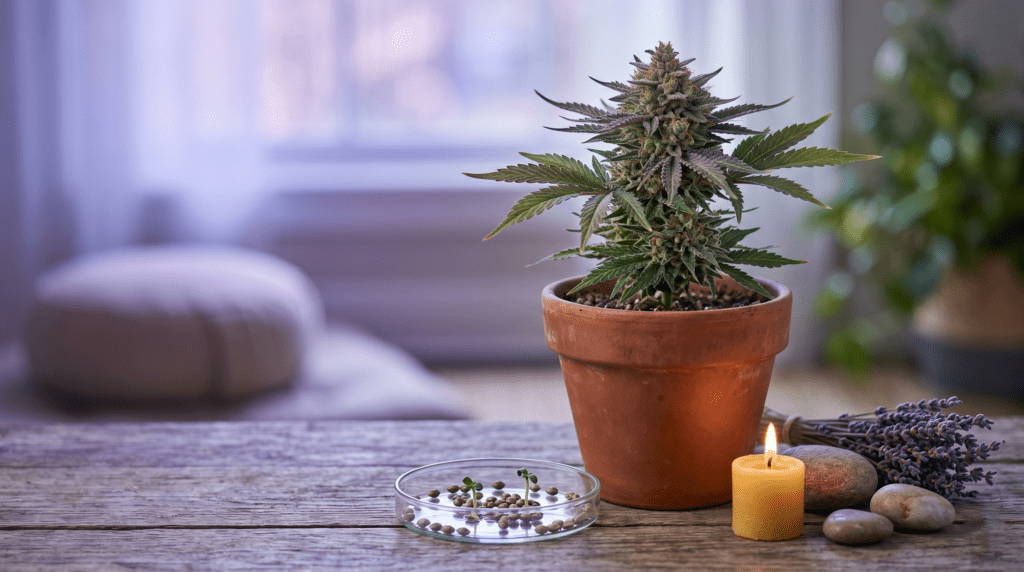
In our fast-paced, hyper-connected world, shutting off a racing mind at night has become a universal struggle. If you have tried every sleep hygiene trick, guided meditation, and herbal tea on the market, the answer to your unrest might not be found on a store shelf, but in the soil. Cultivating your own Blue Dream seeds is more than just a gardening project; it is an empowering journey of growing a potent, personalized holistic remedy. By nurturing this specific botanical powerhouse from seed to harvest, you take control of your wellness, creating an organic, pesticide-free ally for deeper sleep and more profound meditation.
This comprehensive guide will walk you through the entire process. We will explore the unique science behind this legendary strain and provide a step-by-step, beginner-friendly roadmap to germinating, cultivating, and utilizing your harvest to restore balance to your mind and body.
Why Blue Dream? The Science of the Ultimate Wellness Plant
To understand why this specific plant is revered in holistic wellness circles, we must look at its botanical DNA. Blue Dream is not just a relaxing herb; it is a complex synergy of botanical compounds that interact directly with the human body’s endocannabinoid system—a network of receptors responsible for regulating sleep, mood, and stress.
The Genetic Heritage (Blueberry x Haze)
Blue Dream is a perfectly balanced Sativa-dominant hybrid, typically leaning 60% Sativa and 40% Indica. This specific genetic ratio is the secret to its therapeutic versatility:
-
The Sativa Influence (Haze): The Haze lineage provides uplifting, cerebral clarity. Instead of creating a foggy, sluggish sensation, it gently stimulates the mind, making it an ideal companion for mindful meditation, yoga, or creative journaling.
-
The Indica Influence (Blueberry): The Blueberry genetics act as the grounding force. It delivers a wave of somatic (physical) relaxation that melts away muscle tension, easing the body into a state prepared for deep, restorative rest.
The Terpene Profile: Myrcene, Pinene, and Caryophyllene
The true magic of Blue Dream lies in its terpenes—the aromatic oils that give the plant its distinctive scent and drive its holistic effects.
-
Myrcene (The Sleep Molecule): Dominating the Blue Dream profile, myrcene is responsible for the strain’s earthy, musky, and sweet berry aroma. Scientifically, myrcene is known for its profoundly sedative and muscle-relaxing properties. It lowers the resistance across the blood-brain barrier, allowing the plant’s calming compounds to take effect quickly, paving the way for undisturbed sleep.
-
Pinene (The Focus Enhancer): Emitting a crisp, pine-needle scent, pinene acts as a bronchodilator (opening the airways for deeper, more mindful breathing) and promotes alertness. This prevents the myrcene from putting you to sleep before you are ready, allowing for a window of lucid, focused meditation.
-
Caryophyllene (The Stress Reliever): Unique among terpenes, caryophyllene can actually bind to CB2 receptors in the body, acting similarly to a cannabinoid. It is renowned for reducing systemic inflammation and quieting the anxious, cyclical thoughts that often cause insomnia.
Expert Insight: When you grow your own medicine organically, you preserve these delicate volatile terpenes that are often lost or degraded in commercially grown, mass-produced botanicals.
Sourcing and Selecting the Best Blue Dream Seeds
Your journey to better sleep begins with a single seed. Sourcing high-quality genetics is the most critical step in ensuring a healthy, resilient plant and a potent harvest.
Feminized vs. Autoflower Seeds: Which is Right for You?
When purchasing seeds from a reputable seed bank, you will encounter two main options:
-
Feminized Seeds: These are bred to ensure a 99% chance of growing into a female plant (only female plants produce the therapeutic, terpene-rich flowers). They rely on photoperiods (changes in the light cycle) to trigger flowering. Feminized seeds generally produce larger plants and heavier yields, making them ideal for growers who want a substantial harvest to last the year.
-
Autoflower Seeds: Blue Dream autoflowers have been crossed with Cannabis ruderalis genetics, meaning they will automatically transition from the vegetative stage to the flowering stage based on age, regardless of the light cycle. They are generally smaller, faster to harvest, and incredibly beginner-friendly, making them perfect for discreet, indoor closet grows or small balconies.
Hallmarks of High-Quality Seeds
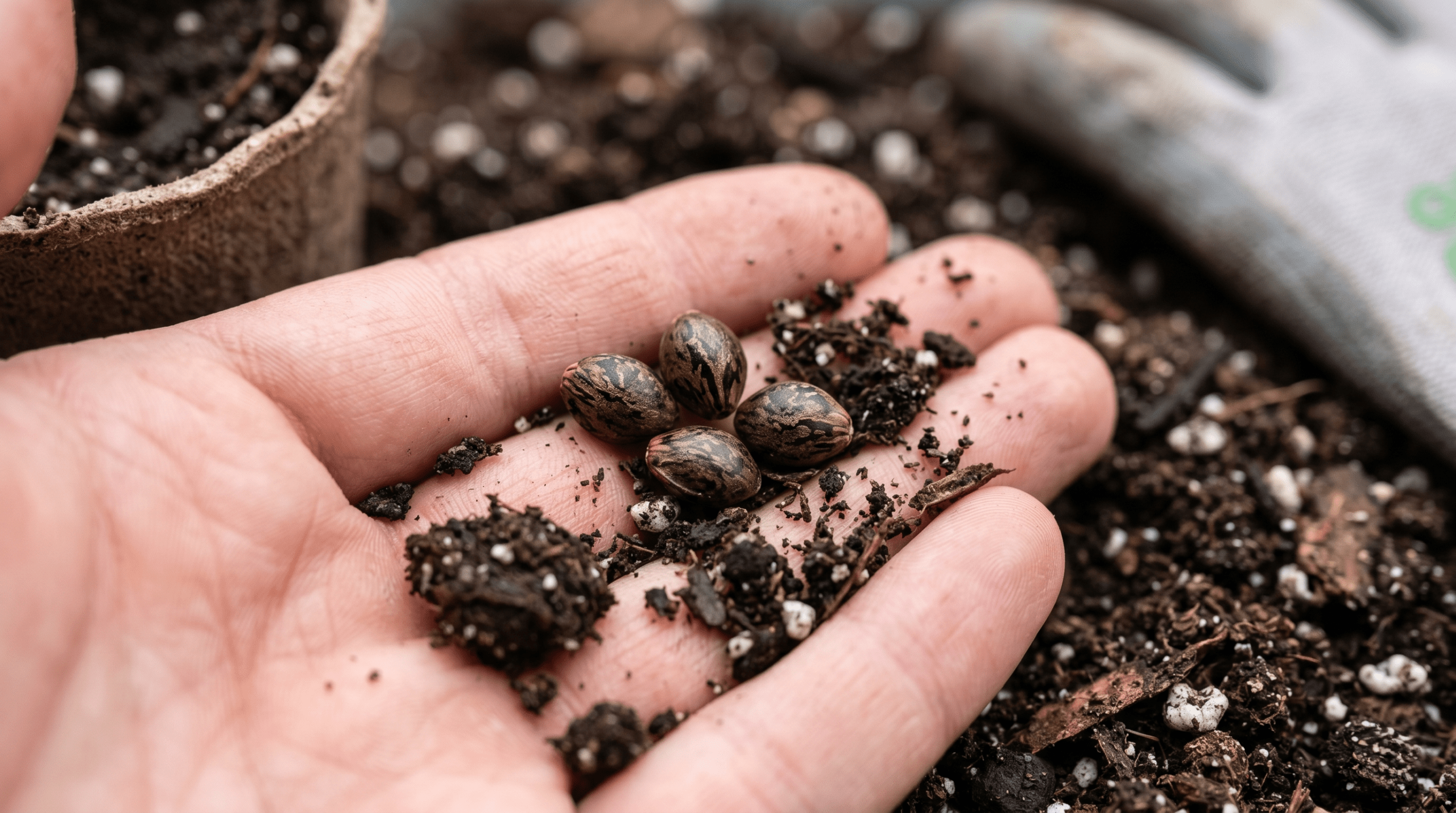
Before you begin, inspect your seeds. A healthy, viable seed should have a hard outer shell and feature a dark brown, grey, or “tiger-striped” appearance. Avoid seeds that are pale green, white, or soft to the touch, as these are immature and unlikely to germinate.
Phase 1: Germination – Awakening Your Blue Dream Seeds
Think of germination as the first act of mindfulness in your growing journey. You are creating the perfect, nurturing environment to coax life from dormancy.
The Paper Towel Method vs. Direct Soil
While you can plant seeds directly into the soil (about half an inch deep), the paper towel method is heavily favored by experts because it allows you to monitor the taproot’s progress.
-
Moisten two clean paper towels with purified, room-temperature water. They should be damp, not dripping.
-
Place your Blue Dream seeds on the bottom towel, spaced about an inch apart.
-
Cover them with the second damp towel and place them inside a dark environment, like a kitchen cabinet or resting between two ceramic plates.
-
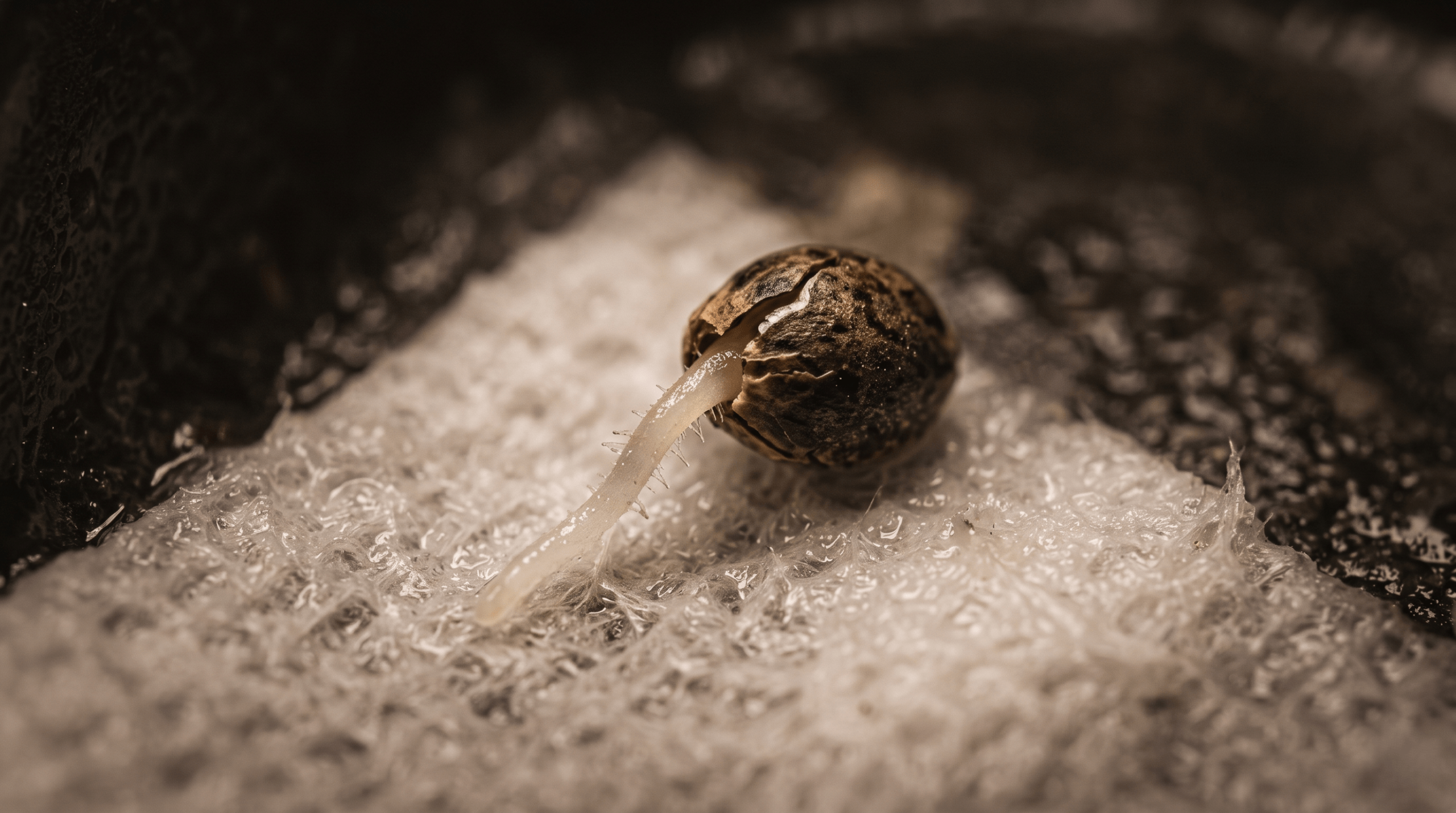
Check daily. Within 24 to 72 hours, the seed shell will crack, revealing a white, delicate taproot. Once the taproot is about half an inch long, the seed is ready to be gently transplanted into its first pot.
Ideal Environmental Conditions
Seeds are fragile and require specific conditions to sprout:
-
Temperature: Maintain a warm environment between 75°F and 80°F. If your home is cold, consider a seedling heat mat.
-
Humidity: Keep the humidity high (around 60% to 70%). Using a humidity dome over your seedling pot will trap moisture and help the young plant shed its seed casing.
Phase 2: The Vegetative Stage – Building the Foundation
Once your seedling sprouts its first set of true, serrated leaves, it enters the vegetative stage. During this phase, the plant focuses entirely on growing strong roots, thick stems, and lush green foliage to support the future buds.
Lighting, Temperature, and Humidity
Blue Dream thrives in a warm, Mediterranean-style climate.
-
The Light Cycle: If growing indoors with feminized seeds, set your grow lights to a schedule of 18 hours on and 6 hours off (18/6). This mimics the long, sunny days of summer.
-
Climate Control: Aim for daytime temperatures between 70°F and 85°F. Maintain relative humidity around 50% to 60%.
Soil, Nutrients, and Watering Mindfully
-
The Living Soil: Start with a high-quality, organic potting mix aerated with perlite (which improves drainage). Organic soil rich in earthworm castings, bat guano, and beneficial microbes will feed your plant naturally, aligning with a holistic approach to wellness.
-
Feeding: During the vegetative stage, Blue Dream is a notoriously heavy feeder, requiring high levels of Nitrogen to fuel its rapid upward growth.
-
The Art of Watering: Overwatering is the number one mistake new growers make. It starves the roots of oxygen. Practice the “knuckle test”: insert your index finger up to the first knuckle into the soil. If it feels dry, it is time to water. If it is still moist, wait another day. Use this watering time as a daily grounding exercise, checking in on the health and posture of your plant.
Low-Stress Training (LST) for Maximum Yield
Blue Dream naturally wants to grow tall and lanky, resembling a Christmas tree. Left untrained, only the very top of the plant will receive optimal light. Low-Stress Training (LST) involves gently bending the main stem and branches downward and securing them with soft plant ties.
This mindful manipulation breaks the plant’s apical dominance, forcing it to grow outward into a wide, even canopy. By ensuring all branches receive equal light, you will drastically increase your final yield of holistic remedy.
Phase 3: The Flowering Stage – Cultivating Your Remedy
As your plant matures, the focus shifts from structural growth to the production of the resinous, terpene-rich flowers that will become your natural sleep aid. This phase requires a gentle shift in environmental conditions and vigilant observation.
Triggering the Bloom (The 12/12 Light Switch)
If you are cultivating feminized seeds indoors, you control when the plant begins to flower by altering the light cycle. By switching your grow lights to 12 hours of light and 12 hours of uninterrupted darkness (12/12), you signal to the plant that autumn is approaching. This hormonal shift halts vegetative growth and redirects the plant’s energy into producing buds. Autoflowering seeds, conversely, will make this transition naturally without your intervention.
Managing the “Blue Dream Stretch”
Expert Insight: Blue Dream is famous among cultivators for its vigorous “flowering stretch.” In the first two to three weeks after the light cycle flips, the plant can double or even triple in height.
To manage this explosive vertical growth indoors, continue utilizing Low-Stress Training (LST) and consider adding a trellis net (a technique known as the Screen of Green, or ScrOG) to weave the branches horizontally. This keeps the canopy even, prevents the plants from burning themselves on the grow lights, and ensures maximum light penetration to the lower bud sites.
Protecting Your Harvest
As the flowers develop, they will become thick, dense, and coated in sticky, aromatic resin. Because of this density, humidity control becomes paramount. Drop the relative humidity in your grow space to 40% to 50%, and ensure oscillating fans are providing constant airflow. Stagnant, moist air is the enemy of dense buds and can lead to devastating issues like powdery mildew or botrytis (bud rot).
Phase 4: Harvesting, Drying, and Curing (Preserving the Terpenes)
The difference between an energetic daytime herb and a deeply sedative nighttime remedy lies entirely in when and how you harvest. This is where your expertise as a holistic cultivator truly shines.
Reading the Trichomes: The Secret to Sleep Support
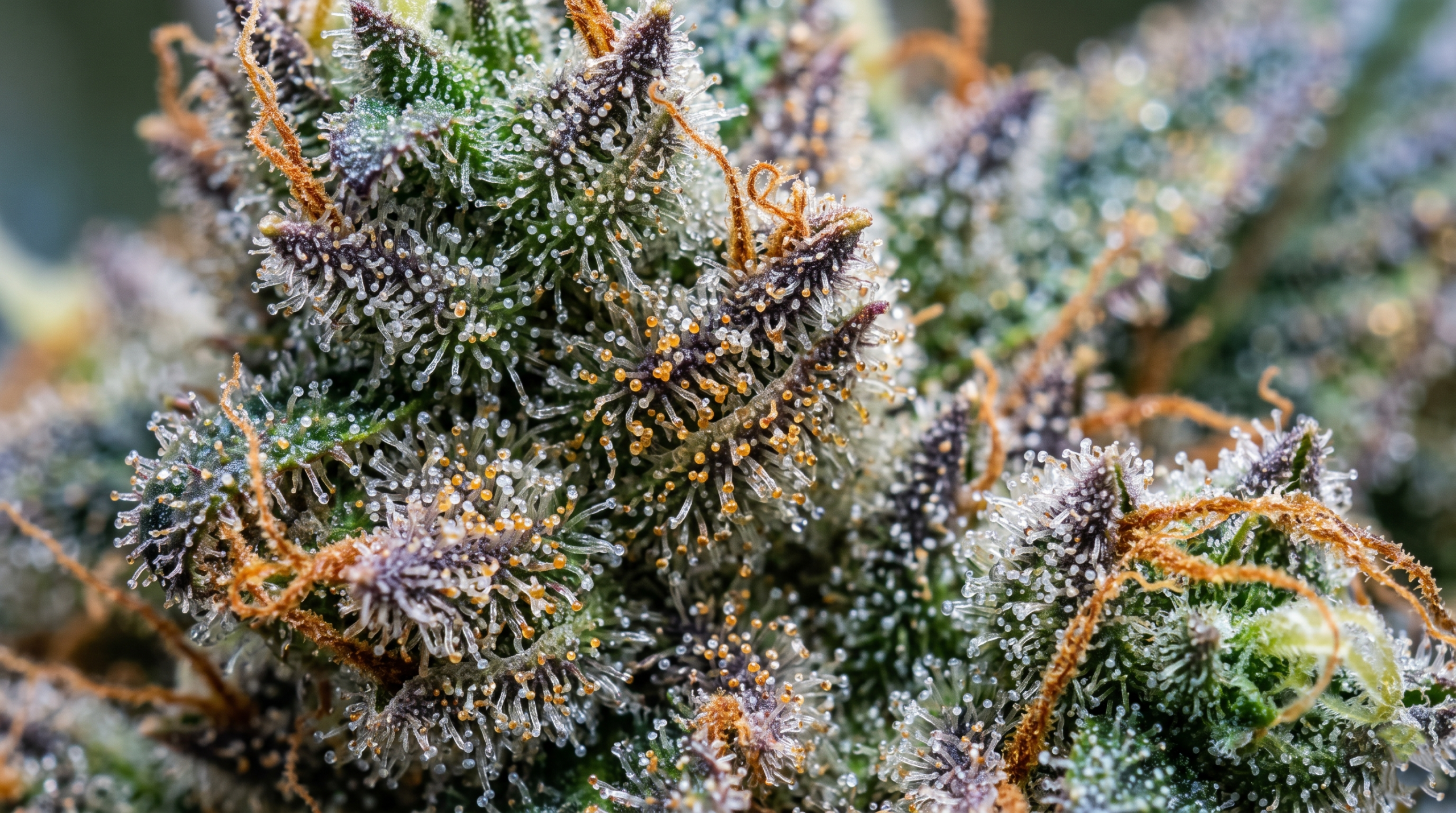
To know when to harvest, you must look closely at the trichomes—the microscopic, mushroom-shaped resin glands that frost the buds. You will need a jeweler’s loupe or a digital microscope to inspect them accurately.
As the plant matures, the trichomes will change color, indicating the shifting chemical profile:
-
Clear Trichomes: The plant is immature; effects will be weak and anxiety-inducing.
-
Milky/Cloudy Trichomes: Peak THC production. Harvesting now yields a highly cerebral, energetic, and euphoric effect (ideal for daytime, but counterproductive for sleep).
-
Amber Trichomes: The THC has begun to degrade into CBN (Cannabinol). CBN is highly regarded in holistic circles for its potent sedative and sleep-inducing properties.
For optimal sleep and relaxation support, wait to harvest until 30% to 40% of the trichomes have turned a rich, golden amber. This ensures the relaxing Blueberry genetics and sedative myrcene terpenes take center stage.
The Slow Dry and Curing Process
Cutting the plant down is only half the battle. To preserve the volatile terpenes and ensure a smooth, effective remedy, you must dry and cure the flowers methodically.
-
The Slow Dry: Hang the trimmed branches upside down in a dark room with a temperature of roughly 60°F and a humidity of 60%. A slow dry over 10 to 14 days preserves the delicate flavors and prevents the harsh, grassy taste of chlorophyll.
-
The Cure: Once the smaller stems snap instead of bending, trim the buds from the branches and place them in airtight glass mason jars. Store the jars in a cool, dark place. For the first two weeks, open the jars for 10 minutes a day (a process called “burping”) to release built-up moisture and replenish oxygen.
Curing is exactly like aging a fine wine. A proper 4-to-8-week cure deepens the complex terpene profile, locking in the sweet berry aroma and maximizing the medicinal potency.
Integrating Your Blue Dream Harvest into a Holistic Routine
With your homegrown remedy perfectly cured, it is time to integrate it purposefully into your lifestyle. When used with intention, this botanical tool can profoundly elevate your mind-body connection.

Crafting a Pre-Sleep Ritual
To combat insomnia, timing is everything. Introduce your Blue Dream remedy approximately 60 to 90 minutes before your head hits the pillow.
-
Consumption Methods: While vaporization offers immediate relief by delivering terpenes directly to the bloodstream, infusing the herb into a warm, decaffeinated tea or crafting a sublingual tincture offers a slower, longer-lasting somatic release throughout the night.
-
Pair this with screen-free wind-down activities, such as reading or gentle stretching, to let the myrcene effortlessly guide your nervous system into a parasympathetic (rest and digest) state.
Enhancing Meditation and Yoga
Blue Dream’s unique Sativa lineage makes it a powerful ally for spiritual grounding. By consuming a very small “micro-dose,” you can quiet the distracting “monkey mind” without intoxicating yourself. The pinene opens your airways for deeper pranayama (breathwork), while the caryophyllene grounds your physical body, allowing you to sink deeper into yoga asanas or sit still for extended meditation sessions with unparalleled present-moment awareness.
Blue Dream and Dream Recall
A fascinating aspect of using botanical remedies for sleep is their impact on the REM (Rapid Eye Movement) cycle. Regular consumption can temporarily suppress REM sleep, leading to deeper, dreamless rest. However, if you take strategic “tolerance breaks” from your remedy, your brain will experience a phenomenon known as REM Rebound. This results in incredibly vivid, cinematic, and memorable dreams—providing rich material for dream journaling and psychological self-reflection.
Frequently Asked Questions (FAQs) About Growing Blue Dream
How long does it take to grow Blue Dream from seed to harvest? On average, expect the journey to take 14 to 18 weeks. Germination and the vegetative phase typically require 4 to 8 weeks, followed by a 9-to-10-week flowering phase. Autoflowering varieties can be ready in as little as 10 to 12 weeks from seed.
Is Blue Dream an Indica or Sativa? It is a Sativa-dominant hybrid, usually exhibiting a 60% Sativa and 40% Indica split. This balance provides a gentle mental uplift paired with deep physical relaxation.
Can Blue Dream cause anxiety? While its caryophyllene content is excellent for stress relief, dosage is critical. Overconsumption of any THC-rich botanical can overwhelm the nervous system. Start low and go slow, particularly if your goal is anxiety relief and sleep.
Does Blue Dream really help with insomnia? Yes, provided it is cultivated and harvested correctly. By intentionally harvesting late—when the trichomes have turned amber—you maximize the sedative, sleep-promoting properties of the plant, making it a highly effective holistic sleep aid.
Conclusion: From Seed to Serenity
Taking the time to cultivate your own Blue Dream seeds is a profound investment in your well-being. By moving away from synthetic sleep aids and embracing a natural, botanical approach, you empower yourself with a deeply effective remedy tailored exactly to your body’s needs.
Remember that the benefits begin long before the harvest. The daily act of gardening—tending to the soil, monitoring the environment, and watching a seed transform into a vibrant, flowering canopy—is in itself a grounding meditation. It forces us to slow down, disconnect from our screens, and reconnect with the quiet, healing rhythms of nature.