

It is a familiar, frustrating scenario: staring at the ceiling at 2 AM, mind racing, unable to disconnect from the stress of the day. You have tried drinking chamomile tea, adjusting the thermostat, and listening to white noise, yet your brain refuses to shut off. In our hyper-connected world, modern sleep anxiety is an epidemic, and endless late-night scrolling only exacerbates the problem. The solution might lie not in another digital app, but in a return to tactile, mindful traditions. Engaging with a dream catcher kit before bed is more than just a creative DIY project; it is a profound mindfulness tool that grounds the nervous system, sets positive intentions, and creates a peaceful transition into restorative sleep.
In the realm of holistic sleep hygiene, replacing screen time with hands-on, repetitive activities has been shown to successfully rewire our brains for relaxation. This comprehensive guide explores the intersection of crafting and sleep science, honoring the cultural roots of the dream catcher, and providing you with everything you need to know to weave your way to a better night’s rest.
The Science and Soul of Sleep Anxiety
To understand why a simple craft can revolutionize your bedtime routine, we first have to examine what prevents us from sleeping in the first place. Sleep anxiety is not merely a psychological hurdle; it is a physiological response to our environment.
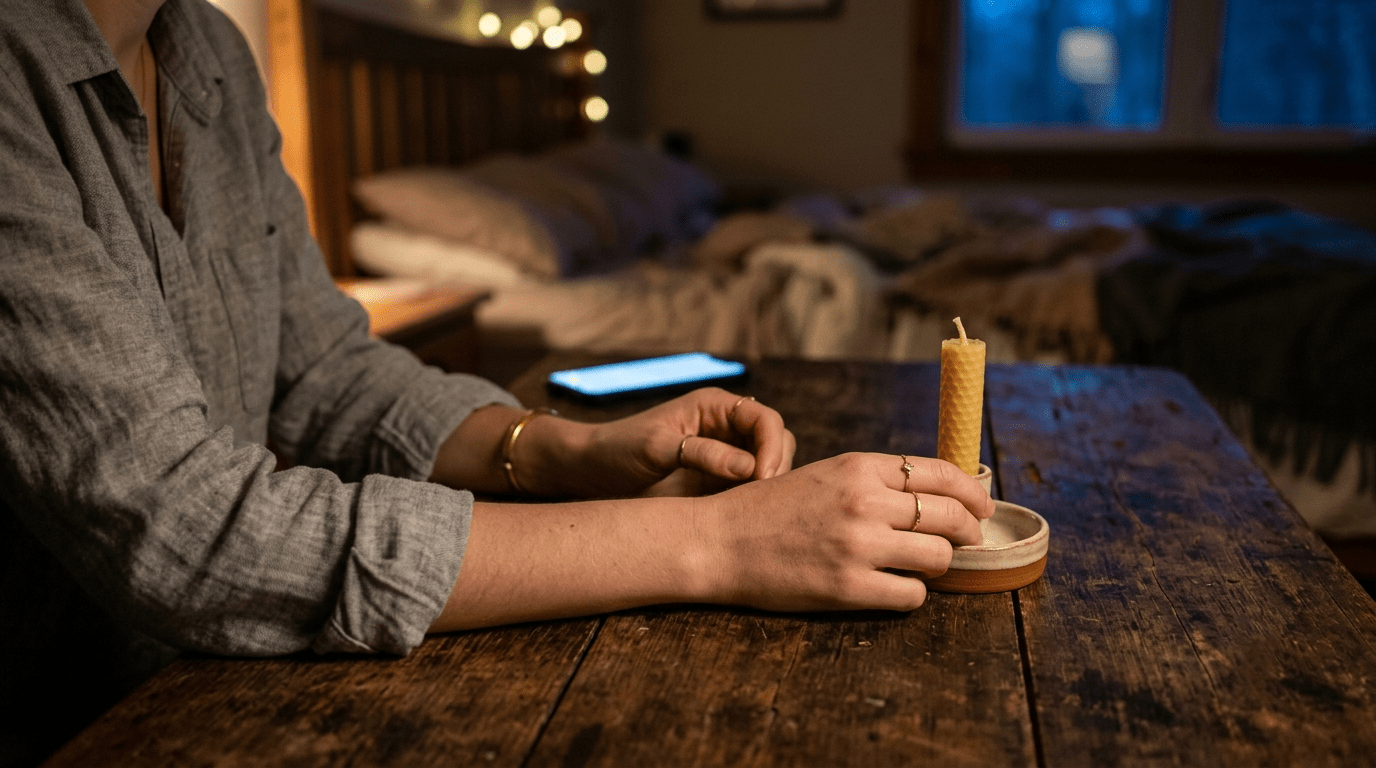
Why Your Brain Will Not Shut Off
Throughout the day, our brains are bombarded with stimuli. By the time evening arrives, the expectation is that our bodies will naturally wind down. However, the omnipresence of screens—smartphones, tablets, and televisions—disrupts this biological process. Blue light emitted by these devices suppresses the production of melatonin, the hormone responsible for regulating our circadian rhythm.
Furthermore, consuming stressful information or engaging in high-dopamine activities (like scrolling through social media) keeps cortisol and adrenaline levels elevated. Your nervous system remains trapped in a state of hyper-arousal, scanning for threats instead of shifting into the “rest and digest” parasympathetic state required for deep sleep.
The Power of Tangible Nighttime Rituals
Overcoming this nightly hyper-arousal requires a pattern interrupt. This is where tangible, screen-free nighttime rituals come into play. Engaging in a physical activity that requires mild focus but low cognitive load signals safety to the nervous system.
When you replace your smartphone with physical materials—like wooden hoops, cotton string, and smooth beads—you engage your senses in a grounding exercise. The tactile feedback of pulling a thread or tying a knot demands just enough attention to keep you in the present moment, effectively short-circuiting the loop of anxious, racing thoughts. It bridges the gap between the frantic energy of the day and the stillness required for sleep.
The Cultural Roots of the Dream Catcher (A Respectful History)
When incorporating traditional objects into a modern holistic wellness routine, it is crucial to approach them with respect, understanding, and cultural appreciation. The dream catcher is not merely an aesthetic bedroom accessory; it holds deep spiritual significance.

The Legend of the Spider Woman (Asibikaashi)
The dream catcher originates from Native American culture, specifically the Ojibwe (Chippewa) Nation. According to Ojibwe tradition, a spiritual protector known as Asibikaashi (Spider Woman) watched over the people, especially the children. As the Ojibwe Nation expanded across North America, it became difficult for Asibikaashi to reach every child every night.
To assist her, mothers and grandmothers began weaving magical webs on willow hoops using sinew or cordage made from plants. These items were hung above the beds of children to catch any harm that might be lingering in the air.
How Modern Holistic Practices Honor this Tradition
In traditional belief, the night air is filled with dreams, both good and bad. The web of the dream catcher is designed to snare the bad dreams, holding them captive until the morning sun burns them away. The good dreams, however, know their way through the web, gently gliding down the hanging feathers to the sleeper below.
When utilizing a kit today, modern holistic practitioners emphasize honoring these roots. This is achieved by focusing on the sacred geometry of the web, setting pure intentions during the crafting process, and avoiding the mass-produced, culturally appropriated caricatures often found in fast-fashion decor. By understanding the history, you elevate the object from a simple craft to a meaningful talisman.
Expert Tip: Practicing Cultural Appreciation To appreciate rather than appropriate this beautiful tradition, focus on the mindfulness of the process. Source materials ethically, avoid treating the dream catcher as a trivial trend, and approach the weaving process as a meditative practice of gratitude and respect for the indigenous cultures that conceptualized it.
How a Dream Catcher Kit Acts as a Mindfulness Tool
Art therapy and occupational therapy have long recognized the therapeutic benefits of crafting. Building your own dream catcher amplifies these benefits, turning a sleepy evening into a restorative retreat.
The Psychology of the “Flow State”
The process of weaving a dream catcher involves a repetitive, rhythmic looping of string around a central hoop. Psychologists refer to the mental state achieved during such activities as the “flow state.” Coined by psychologist Mihaly Csikszentmihalyi, the flow state is a state of complete immersion in an activity.
When you are measuring string, tying knots, and watching the geometric pattern of the web slowly emerge, your breathing naturally slows down. Your heart rate stabilizes. The repetitive motion acts as a form of active meditation, actively lowering anxiety levels and preparing the mind for the transition into sleep.
Intention-Setting for Better Dreams
One of the most powerful aspects of assembling your own kit is the ability to practice intention-setting. In holistic well-being, intention-setting is the practice of consciously directing your thoughts toward a desired outcome.
When you purchase a pre-made dream catcher, you are receiving a finished product. When you use a kit, you become the creator. With every knot you tie, you have the opportunity to literally “weave” positive affirmations into the object. You might silently repeat mantras such as, “I release the stress of today,” or “I welcome peaceful, restorative rest.” This psychological exercise builds a strong mental association. Later, when you look at the dream catcher hanging above your bed, your brain will subconsciously recall those calming mantras, triggering a relaxation response.
What to Look for in the Perfect Dream Catcher Kit
With the rising popularity of mindfulness crafts, the market is flooded with various DIY dream catcher options. However, not all kits are created equal, especially when your goal is holistic sleep hygiene and energetic healing. Selecting the right kit is a vital step in your journey toward better rest.
Natural vs. Synthetic Materials
When crafting a tool meant to ground your energy and connect you to natural sleep cycles, the materials matter. Synthetic plastics and artificially dyed polyester strings can lack the grounding, earthy feel necessary for a tactile wind-down routine.
Instead, look for kits that prioritize organic and sustainable elements. A traditional wooden hoop (often made of willow or bamboo) provides a sturdy, natural base. Opt for organic cotton string or natural hemp cordage for the web, as these materials have a pleasing texture that enhances the sensory experience. Finally, ensure any feathers or leather elements are ethically sourced, honoring both the environment and the cultural origins of the craft.
Kits for Adults vs. Kits for Kids
Sleep anxiety relief is not one-size-fits-all, and the type of kit you choose should reflect the age and needs of the user.
-
For Adults: Look for complex, mandala-style kits. These often feature intricate web designs that require deep focus, pulling the adult mind away from work stressors and into a state of deep meditation.
-
For Kids: Children experiencing night terrors or a fear of the dark benefit immensely from simpler, colorful kits. For a child, assembling their own “protector” builds psychological comfort. When they tie the knots themselves, they feel a sense of ownership and empowerment over their sleeping environment, which can dramatically reduce bedtime battles.
Infusing Crystal Healing
Many premium kits now incorporate elements of energy healing by including semi-precious stones. If your primary goal is overcoming nightmares and improving sleep quality, seek out a kit that includes amethyst. Known in holistic circles as a natural tranquilizer, amethyst is believed to soothe irritability, balance mood swings, and dispel anxiety. Alternatively, clear quartz beads can be woven into the web to promote mental clarity and purify the energy of the bedroom.
Step-by-Step Guide: Crafting Your Dream Catcher for Maximum Relaxation
To fully reap the benefits of this mindfulness craft, you must treat the assembly process not as a chore to finish, but as a deliberate bedtime routine. Here is how to transform opening your box into a moving meditation.
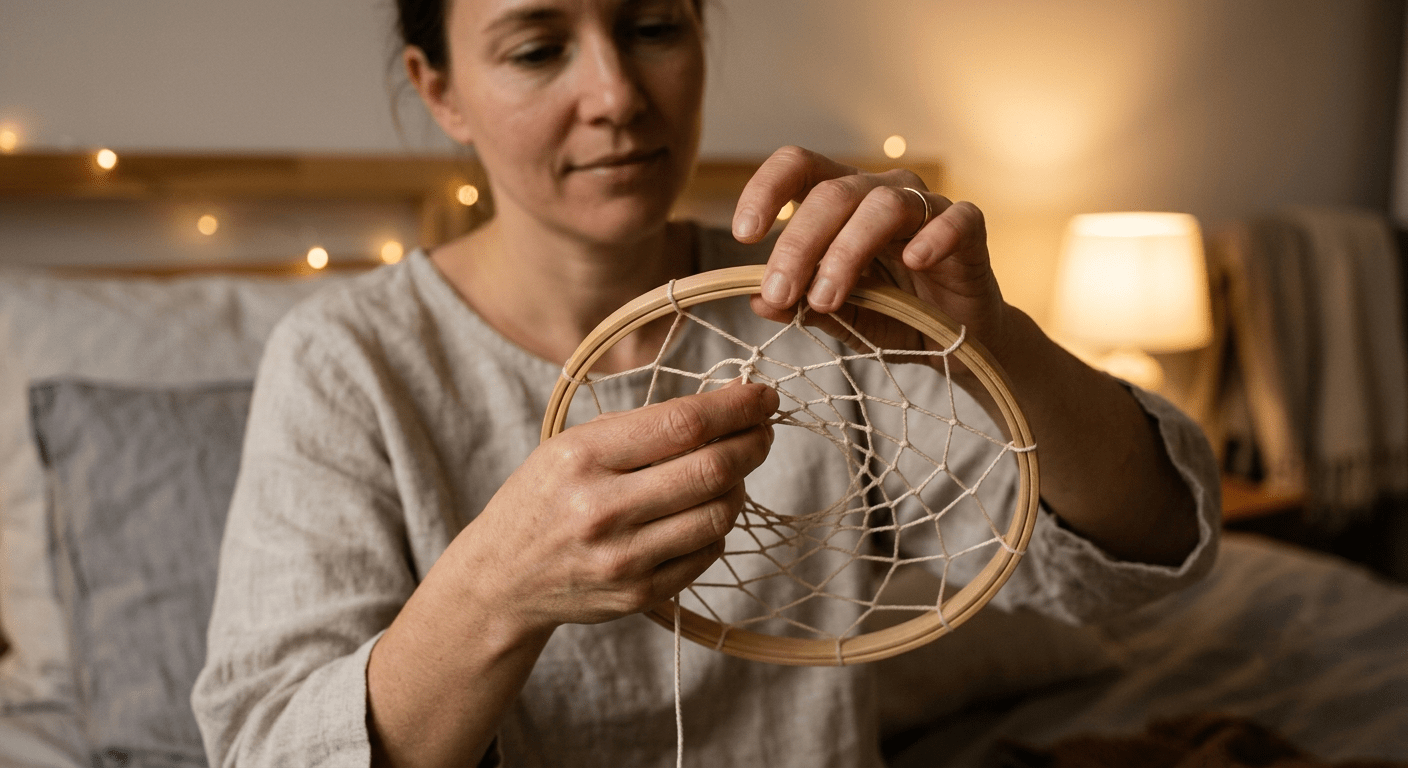
Step 1: Set the Ambience
Before you unbox your materials, prepare your environment. Turn off harsh overhead lights and opt for warm, dim lamps. Diffuse a relaxing essential oil, such as lavender or cedarwood, to trigger your olfactory senses into relaxation mode. You might also want to play soft binaural beats or nature sounds in the background to drown out external distractions.
Step 2: Clear Your Mind (A Pre-Crafting Mini Meditation)
Sit comfortably with your kit in front of you. Before touching the string, close your eyes and take three deep, intentional breaths—inhaling through the nose for four seconds, holding for four, and exhaling through the mouth for six. This brief centering exercise clears residual daytime stress and signals to your body that it is time to transition into a state of rest.
Step 3: The Weaving Process
Begin wrapping your hoop and weaving the inner web according to your kit’s instructions. Move slowly. Notice the friction of the string against your fingers. If you make a mistake, do not get frustrated. Unravel the string gently and try again. Treat the web as a metaphor for the mind: sometimes our thoughts get tangled, and the best remedy is patience, self-compassion, and the willingness to start over. Letting go of perfectionism is a crucial step in releasing the anxiety that keeps you awake.
Step 4: Attaching the Feathers and Beads
As you reach the final stages, you will attach beads, crystals, or feathers to the bottom of the hoop. Use this moment for active visualization. As you thread each bead, assign a specific positive thought or “good dream” to it. You might visualize waking up feeling refreshed, or picture a calming landscape. By doing this, you are programming the dream catcher to act as a visual trigger for peace every time you look at it.
Where to Hang Your Dream Catcher for Better Sleep
Once your mindful masterpiece is complete, placement is key to maximizing both its traditional purpose and its modern psychological benefits.

Above the Bed vs. In the Window
According to Ojibwe tradition, a dream catcher should be hung in a window where the morning sunlight can hit it, allowing the dawn’s rays to burn away the bad dreams caught in the web overnight.
However, in modern holistic practices, many people prefer hanging them directly above the head of the bed or on the wall nearest the pillow. This placement serves as a tool for energetic protection and provides a comforting focal point. As you lay in bed, gazing up at the physical manifestation of your positive intentions can lull you to sleep faster.
Feng Shui Considerations
If you practice Feng Shui, be mindful of bedroom harmony. A dream catcher is a beautiful addition, but it should not contribute to visual clutter. Ensure it is hung securely so it won’t fall, and keep the surrounding wall space relatively clear. The gentle sway of the feathers should promote a slow, calming flow of chi (energy) in the room, rather than feeling chaotic or overly busy.
Frequently Asked Questions (FAQs)
How long does it take to make a dream catcher from a kit? Depending on the complexity of the web and your pace, it typically takes between 1 to 3 hours. It is the perfect activity for a quiet weekend evening or can be broken up into 30-minute sessions over several nights as part of an ongoing wind-down routine.
Do dream catchers actually help with nightmares? While they are not a medical cure for chronic sleep disorders, they are highly effective psychological tools. The placebo effect, combined with the genuine comfort of intention-setting, provides a sense of safety that can significantly reduce stress-induced nightmares.
Are dream catcher kits suitable for children with sleep anxiety? Absolutely. Giving a child the agency to build their own sleep protector is an empowering psychological exercise. It validates their fears while giving them a tangible tool to conquer them, making bedtime feel safe rather than scary.
What do I do if my dream catcher web looks messy? Embrace it! The goal of a mindfulness craft is the process, not the final product. A slightly asymmetrical web is a beautiful reminder that life, like sleep, does not have to be perfect to be restful. Frame it as a lesson in self-compassion.
Conclusion
Breaking the cycle of sleep anxiety requires us to step away from our screens and reconnect with ourselves. By integrating a dream catcher kit into your evening routine, you are doing much more than just keeping your hands busy. You are honoring a beautiful cultural tradition, engaging in a meditative flow state, and actively weaving intentions of peace and protection into your sleeping environment.
Taking control of your sleep hygiene is a profound act of self-love. The next time you find yourself dreading a restless night, consider picking up a hoop and some string instead of your smartphone. You might just find that a calm mind and sweet dreams are only a few knots away.