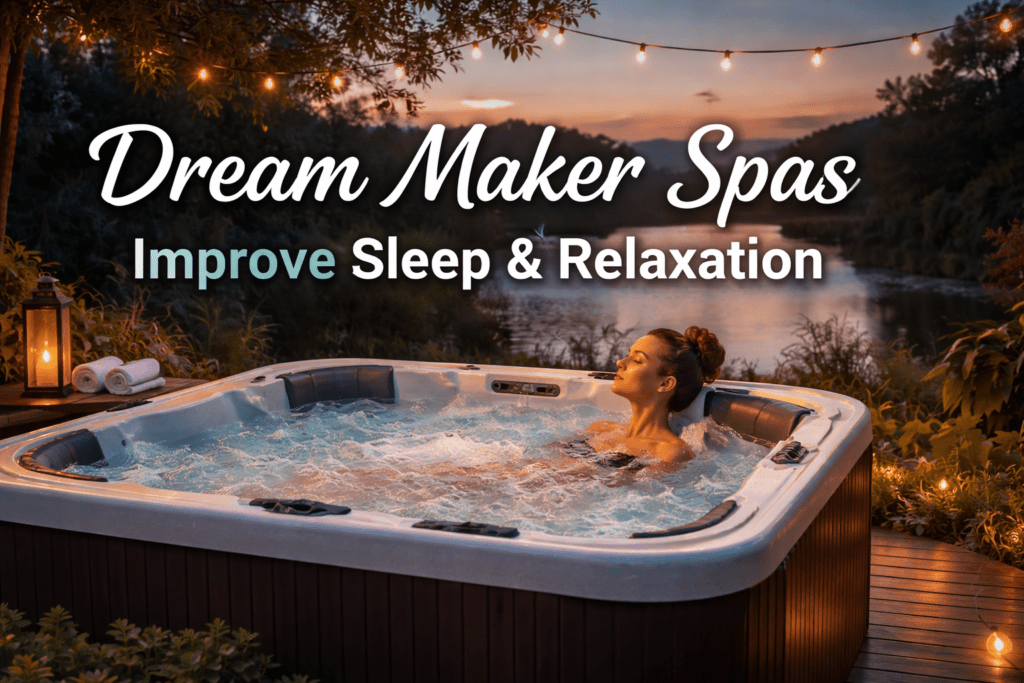
Most people don’t struggle with sleep because they don’t try hard enough.
They struggle because their nervous system never truly powers down.
Endless notifications, chronic stress, artificial light, and mental overload keep the body stuck in a low-grade fight-or-flight state. Even when you finally lie down, the mind keeps buzzing, muscles stay tense, and real rest feels just out of reach.
This is where Dream Maker Spas enter the conversation—not as a luxury indulgence, but as a practical, science-aligned tool for restoring the body’s natural ability to relax, reset, and sleep deeply. Through targeted hydrotherapy, these spas create conditions that help the nervous system shift from survival mode into genuine restoration.
In this article, you’ll learn:
-
What Dream Maker Spas are and how they work
-
The science behind hydrotherapy and sleep regulation
-
How warm water immersion improves relaxation, mood, and overall well-being
-
Who benefits most—and how to use a spa effectively for better sleep
If you’re looking for a natural, holistic way to improve sleep quality and emotional balance, this guide will give you a clear, evidence-informed foundation.
Understanding Dream Maker Spas and Hydrotherapy
What Are Dream Maker Spas?
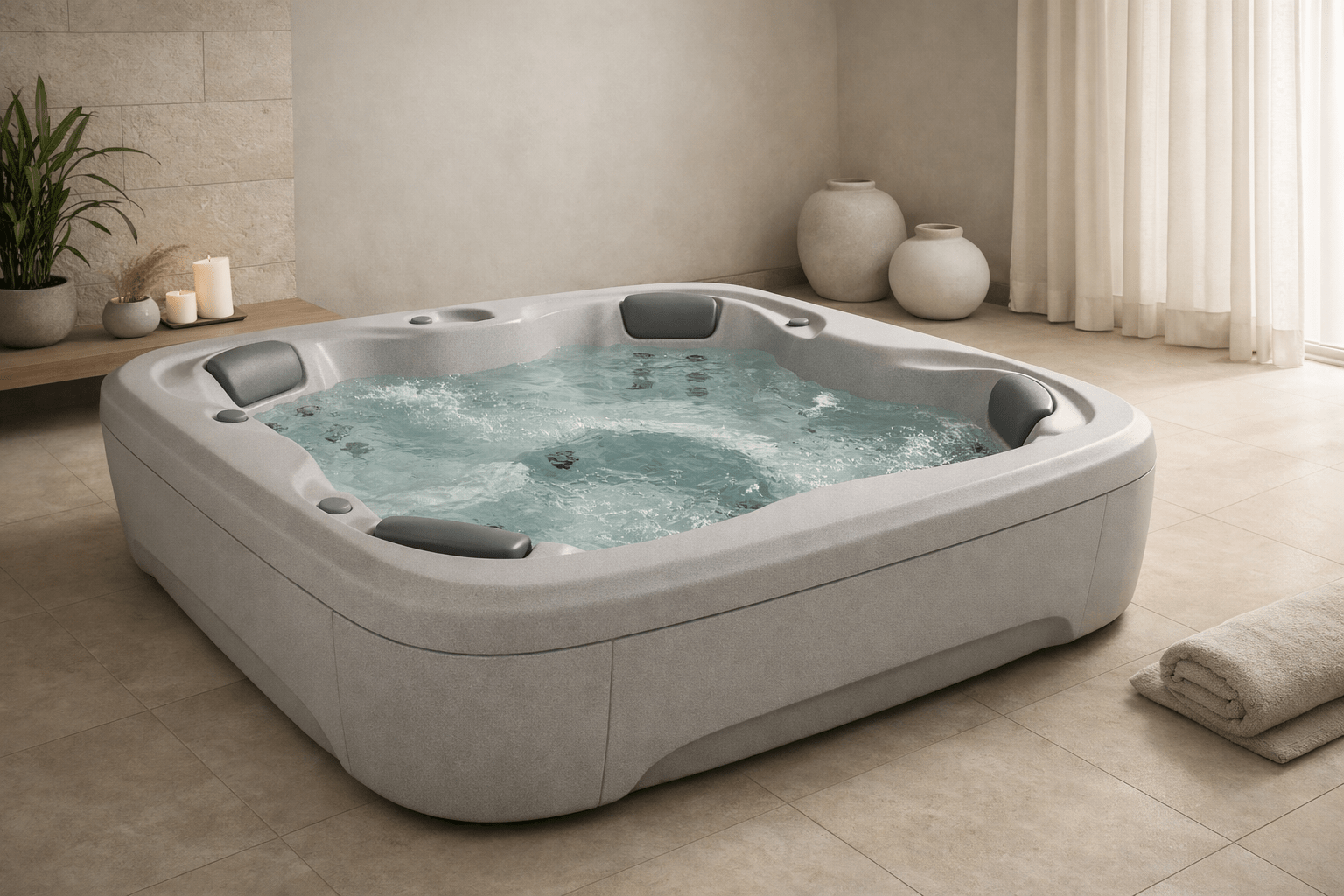
Dream Maker Spas are purpose-built hydrotherapy spas designed to promote relaxation, physical recovery, and nervous system regulation through warm water immersion and targeted jet therapy.
Unlike standard hot tubs that focus primarily on recreation, Dream Maker Spas emphasize:
-
Therapeutic jet placement
-
Ergonomic seating for full-body support
-
Consistent temperature control
-
Quiet, low-distraction operation
The goal isn’t stimulation—it’s restorative calm.
These spas are often used in:
-
Home wellness spaces
-
Holistic health routines
-
Stress recovery programs
-
Sleep-supportive evening rituals
At their core, Dream Maker Spas are designed to work with the body’s natural rhythms rather than override them.
How Dream Maker Spas Differ From Regular Hot Tubs
While both involve warm water, the experience—and the outcome—can be very different.
Key differences include:
-
Intentional design: Dream Maker Spas prioritize comfort, posture, and pressure balance to avoid overstimulation
-
Therapeutic focus: Jets are positioned to release tension in areas that commonly hold stress (neck, shoulders, lower back)
-
Minimal sensory overload: Reduced noise, harsh lighting, and unnecessary features
-
Consistency: Stable water temperature supports predictable relaxation responses
This distinction matters, especially when the goal is better sleep and nervous system regulation rather than social or recreational use.
How Hydrotherapy Works on the Body and Brain
To understand why Dream Maker Spas can improve sleep and relaxation, it helps to look at how hydrotherapy affects the nervous system.
The Nervous System Shift: From Alert to Restorative
Your autonomic nervous system has two main modes:
-
Sympathetic: alert, stressed, “on”
-
Parasympathetic: calm, restorative, “off”
Chronic stress keeps many people stuck in sympathetic dominance—even at night.
Warm water immersion supports a parasympathetic shift by:
-
Reducing muscle spindle activation
-
Increasing vagal tone
-
Slowing heart rate and breathing
-
Sending safety signals to the brain
This is why people often feel an almost immediate sense of calm when they enter warm water.
Hydrotherapy and Stress Hormones
Prolonged stress elevates cortisol, the body’s primary stress hormone. High evening cortisol interferes with:
-
Melatonin production
-
Sleep onset
-
Sleep depth
Hydrotherapy has been shown to help:
-
Lower perceived stress
-
Reduce muscle tension associated with cortisol release
-
Improve subjective relaxation levels
While hydrotherapy isn’t a medical treatment, its physiological effects support the conditions needed for healthier hormonal balance—especially when used consistently.
Body Temperature, Sleep, and Circadian Rhythm
One of the most overlooked aspects of sleep quality is thermoregulation.
Sleep onset naturally occurs as core body temperature begins to drop. Warm water immersion followed by gradual cooling mimics and enhances this process.
Here’s how Dream Maker Spas support this cycle:
-
Warm water gently raises skin temperature
-
Blood vessels dilate, improving circulation
-
After exiting the spa, the body cools more efficiently
-
This cooling triggers sleepiness and melatonin release
This is why timing matters—using a spa 30–90 minutes before bed is often ideal for sleep support.
How Dream Maker Spas Improve Sleep Quality
Shorter Time to Fall Asleep
One of the most common sleep complaints is lying awake with a racing mind.
Hydrotherapy helps by:
-
Reducing mental hyperarousal
-
Lowering physical restlessness
-
Creating a clear transition between “day mode” and “night mode”
Many users report falling asleep faster after consistent evening spa use, particularly when stress is the primary sleep disruptor.
Deeper, More Restorative Sleep
Sleep quality isn’t just about falling asleep—it’s about staying asleep and reaching deeper stages of rest.
Dream Maker Spas support deeper sleep by:
-
Releasing muscular tension that causes nighttime awakenings
-
Reducing discomfort and pressure points
-
Promoting nervous system stability throughout the night
For light sleepers, this physical and neurological settling can make a noticeable difference.
Support for Stress-Related Insomnia
Stress-induced insomnia is often driven by:
-
Mental rumination
-
Elevated nervous system activity
-
Inability to “switch off”
Hydrotherapy offers a non-cognitive solution—it works without requiring effort, focus, or mental control. This makes it especially helpful for people who struggle with meditation or traditional relaxation techniques.
Mental Relaxation and Emotional Well-Being
Why Physical Relaxation Leads to Mental Calm
The mind and body are deeply connected. When the body remains tense, the brain interprets this as a signal to stay alert.
Warm water immersion helps break this loop by:
-
Providing full-body support
-
Reducing gravitational pressure
-
Encouraging slow, rhythmic breathing
This often leads to a spontaneous quieting of thoughts—without forcing mental stillness.
Dream Maker Spas for Anxiety and Emotional Overload
While not a replacement for therapy or medical care, Dream Maker Spas can be a valuable complementary practice for emotional regulation.
Benefits may include:
-
Reduced physiological anxiety symptoms
-
Improved emotional resilience
-
A sense of grounding and safety
Water immersion creates a contained, predictable environment—something the nervous system responds to positively, especially during periods of overwhelm or burnout.
Water as a Mindfulness Medium
Many people struggle with seated meditation because the mind feels too active.
Hydrotherapy naturally encourages:
-
Present-moment awareness
-
Sensory grounding
-
Gentle body scanning
In water, mindfulness often happens without effort. This makes Dream Maker Spas particularly suitable for people new to contemplative practices.
Physical Recovery and Holistic Well-Being
Muscle Tension, Recovery, and Circulation
Chronic muscle tension doesn’t just cause discomfort—it interferes with sleep, posture, and emotional regulation.
Dream Maker Spas support physical recovery by:
-
Increasing blood flow to tight muscles
-
Enhancing oxygen delivery
-
Supporting gentle detoxification through circulation
This is especially helpful for:
-
Desk workers
-
People with sedentary lifestyles
-
Those carrying stress in the neck, shoulders, and lower back
Joint Comfort and Mobility
Warm water reduces joint compression and allows for gentle movement without strain.
Regular hydrotherapy may help:
-
Improve joint comfort
-
Support mobility
-
Reduce stiffness that interferes with restful sleep
This makes Dream Maker Spas appealing to older adults and those seeking low-impact wellness support.
Who Benefits Most From Dream Maker Spas?
Dream Maker Spas are particularly beneficial for:
-
High-stress professionals
-
Individuals with sleep difficulties
-
People practicing yoga, meditation, or breathwork
-
Anyone seeking a natural, drug-free relaxation method
How to Use Dream Maker Spas for Maximum Sleep Benefits
Using a Dream Maker Spa effectively isn’t about staying in longer or turning the jets up higher. In fact, overdoing it can be counterproductive. The real benefit comes from timing, consistency, and intention.
Best Timing for Sleep Support
For most people, the ideal window is:
30–90 minutes before bedtime
This allows enough time for:
-
Core body temperature to drop after exiting the spa
-
Melatonin release to increase naturally
-
The nervous system to fully settle before sleep
Using the spa too close to bedtime may leave the body overly warm, which can delay sleep onset.
Ideal Water Temperature
Temperature matters more than many realize.
Recommended range:
-
98°F–102°F (37–39°C) for relaxation and sleep
-
Avoid exceeding 104°F, especially in the evening
Lower temperatures within this range are often better for:
-
Anxiety-prone individuals
-
Light sleepers
-
Those sensitive to heat
The goal is soothing warmth, not intense heat.
Session Length: Less Is More
Optimal session length:
-
15–30 minutes
Longer sessions may overstimulate the body or lead to dehydration, which can interfere with sleep quality.
Consistency—3 to 5 evenings per week—is far more effective than occasional long sessions.
Creating a Pre-Sleep Spa Ritual
Ritual matters. The nervous system responds to patterns.
A sleep-supportive spa ritual might include:
-
Soft, low lighting or warm outdoor light
-
Slow nasal breathing while in the spa
-
No phone, notifications, or stimulating conversation
This signals to the brain that the day is ending—and rest is safe.
What to Do After Exiting the Spa
What happens after the spa is just as important.
Best practices:
-
Gently dry off and allow the body to cool naturally
-
Avoid bright lights and screens
-
Move into a calm wind-down activity (reading, journaling, light stretching)
This transition amplifies the sleep-promoting effects of hydrotherapy.
Pairing Dream Maker Spas With Other Sleep Practices
Dream Maker Spas work best as part of a holistic sleep routine.
They pair particularly well with:
-
Breathwork (slow exhale-focused breathing)
-
Mindfulness or body-scan meditation
-
Light stretching or restorative yoga
-
Caffeine reduction in the afternoon
Together, these practices reinforce the nervous system’s ability to enter deep rest.
Safety Considerations and Who Should Be Cautious
While Dream Maker Spas are generally safe for most healthy adults, responsible use matters.
General Safety Guidelines
-
Stay hydrated before and after sessions
-
Avoid alcohol before spa use
-
Exit the spa immediately if you feel dizzy or overheated
-
Use handrails and non-slip surfaces when entering and exiting
Who Should Consult a Healthcare Professional
If you have any of the following, consult a medical professional before regular spa use:
-
Cardiovascular conditions
-
Blood pressure concerns
-
Pregnancy
-
Heat sensitivity or fainting history
Dream Maker Spas are a wellness support—not a medical treatment—and should complement, not replace, professional care when needed.
Dream Maker Spas vs Other Sleep and Relaxation Solutions
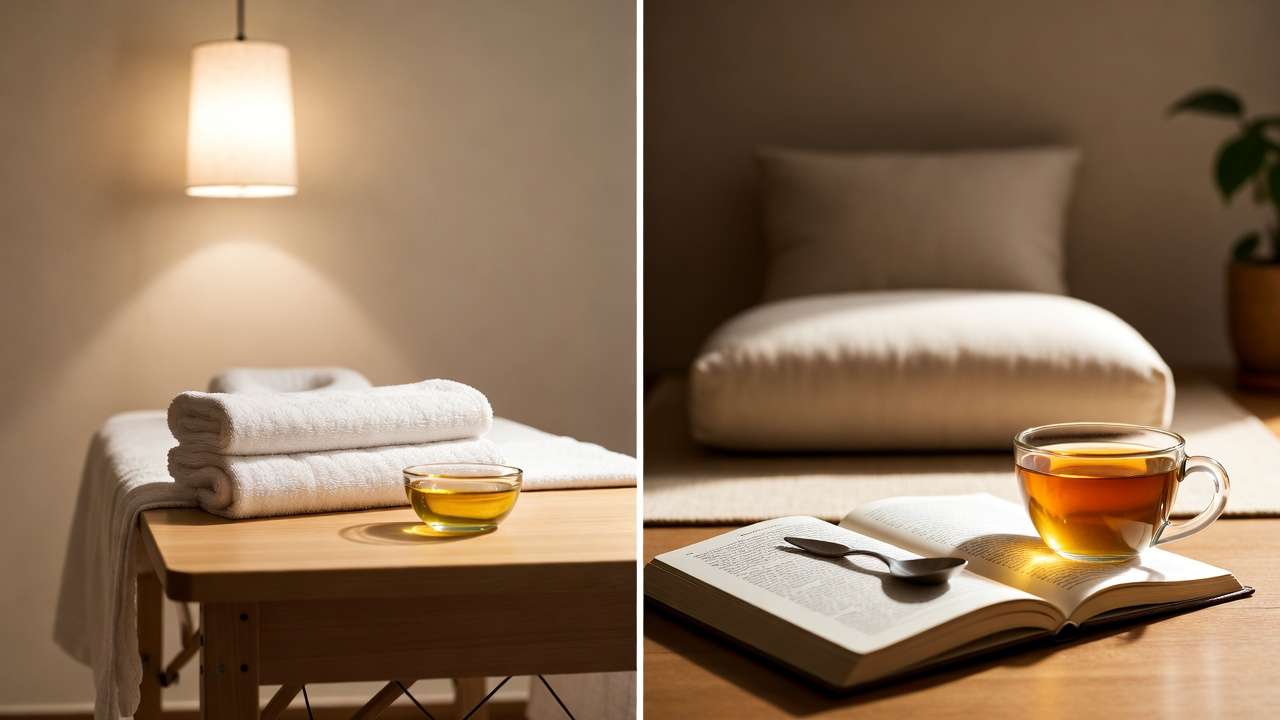
Many people try multiple approaches before finding what truly helps their sleep. Understanding how Dream Maker Spas compare can clarify where they fit.
Dream Maker Spas vs Sleep Supplements
Supplements:
-
Act chemically on the body
-
Effects vary widely
-
May cause dependency or tolerance
Dream Maker Spas:
-
Work through physiological relaxation
-
Support natural sleep processes
-
No chemical interference
For many, hydrotherapy feels more sustainable long-term.
Dream Maker Spas vs Meditation Alone
Meditation is powerful—but not always accessible during high stress.
Meditation requires:
-
Mental effort
-
Focus and consistency
-
Tolerance for stillness
Dream Maker Spas:
-
Create relaxation passively
-
Support beginners and overstimulated minds
-
Often make meditation easier afterward
They work well together rather than in opposition.
Dream Maker Spas vs Sauna or Steam Rooms
While saunas offer benefits, they differ significantly.
Saunas:
-
Dry heat
-
Less full-body support
-
Higher cardiovascular load
Dream Maker Spas:
-
Buoyant support
-
Gentle hydrostatic pressure
-
More calming for evening use
For sleep-focused relaxation, spas are often better tolerated.
Expert Perspective: Where Hydrotherapy Fits in Holistic Wellness
From a holistic health standpoint, hydrotherapy is valued because it addresses multiple systems simultaneously:
-
Nervous system
-
Musculoskeletal system
-
Circulatory system
-
Emotional regulation
Wellness professionals often emphasize that sustainable sleep improvement comes from:
-
Reducing hyperarousal
-
Supporting circadian rhythm
-
Creating reliable relaxation cues
Dream Maker Spas align naturally with this framework when used mindfully.
Frequently Asked Questions About Dream Maker Spas
Can Dream Maker Spas Help With Chronic Insomnia?
They can support relaxation and sleep quality, especially when stress and tension are contributing factors. However, chronic insomnia may require a broader approach.
How Often Should I Use a Dream Maker Spa for Sleep?
Most people benefit from 3–5 sessions per week. Daily use is acceptable if sessions are short and temperatures are moderate.
Is It Safe to Use a Spa Every Night?
For healthy adults, yes—provided temperature and duration are kept within recommended ranges.
Do Dream Maker Spas Help With Anxiety?
They can reduce physical symptoms of anxiety and promote nervous system calm, making them a helpful complementary practice.
What’s the Best Temperature for Relaxation?
Typically 100°F–102°F, adjusted based on personal comfort and sensitivity.
Final Thoughts: Are Dream Maker Spas Worth It for Sleep and Well-Being?
Dream Maker Spas aren’t a miracle cure—and that’s precisely why they work.
They don’t force sleep.
They don’t override the nervous system.
They create the conditions where rest becomes possible again.
For people overwhelmed by stress, struggling with restless sleep, or seeking a natural way to support emotional balance, Dream Maker Spas offer something rare: a quiet, consistent invitation to slow down.
When integrated thoughtfully into a holistic lifestyle, hydrotherapy can become more than relaxation—it can become a reliable anchor for rest, recovery, and long-term well-being.