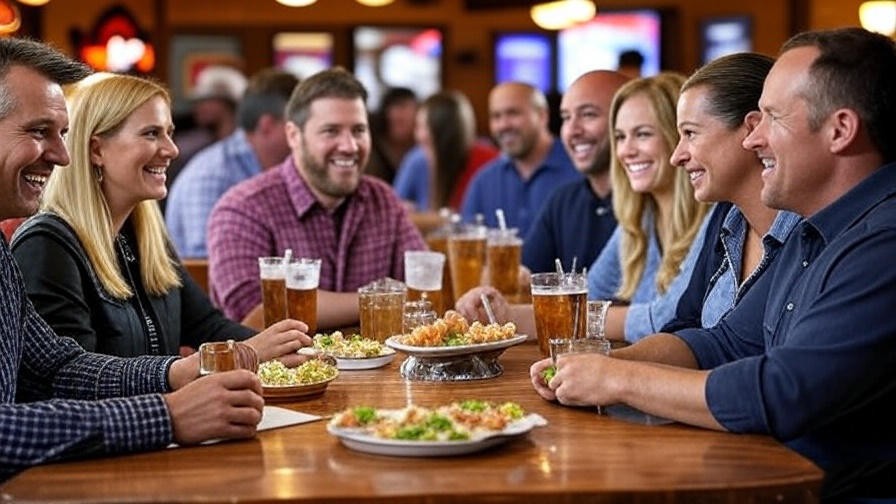
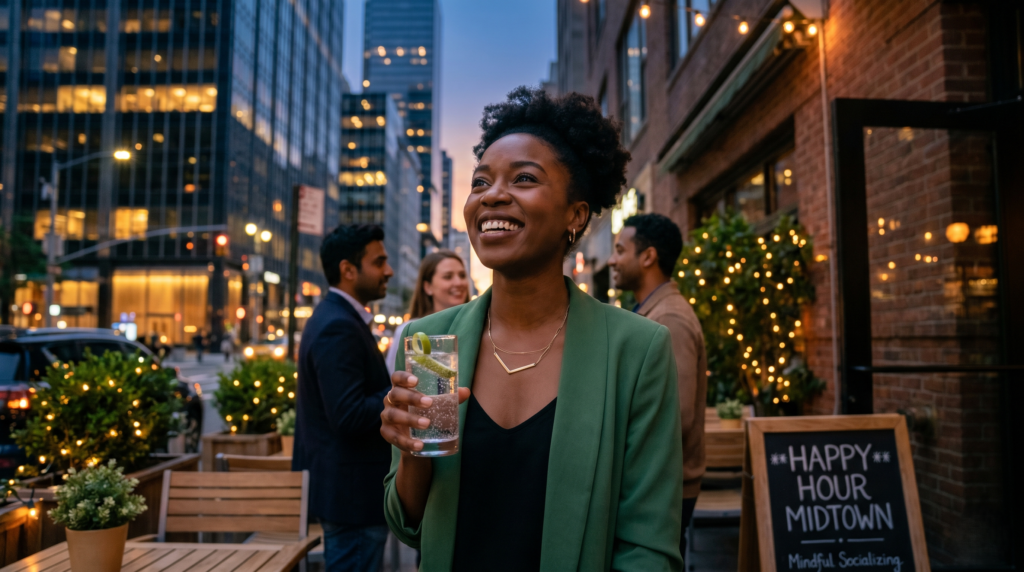
It is 5:00 PM. The relentless buzz of emails, deadlines, and meetings finally begins to fade. As you step out of your office building, the chaotic yet inviting energy of the city takes over. Your phone buzzes with a text from a colleague: an invite to a happy hour midtown. It is the ultimate temptation—the perfect opportunity to decompress, network, and share a few laughs after a high-stress workday.
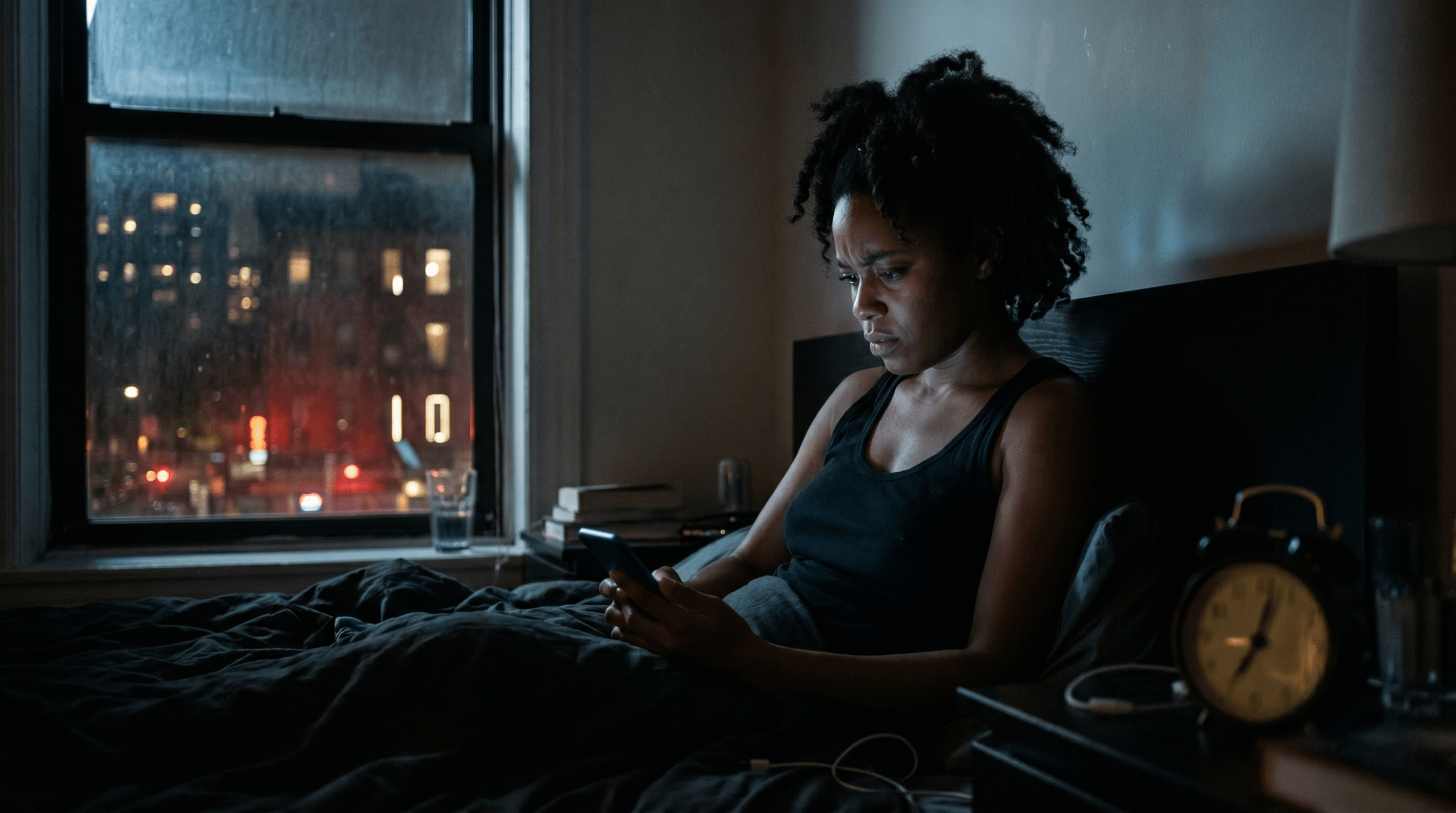
But as someone committed to holistic well-being, you also know the dark side of that 6 PM cocktail. You know the frustration of checking your sleep score tracker the next morning only to see your recovery metrics plummet. You know the dreaded 3 AM wake-up and the groggy, anxious morning that follows.
Do you have to choose between a thriving social life and a healthy, calm brain? Absolutely not.
Social connection is vital for our emotional health, but high-quality sleep is the foundation of our physical and mental resilience. This guide merges the latest sleep science with practical mindfulness techniques, showing you exactly how to navigate after-work socializing so you can boost your happiness without wrecking your rest.
The Psychology of the After-Work Drink: Why We Crave It
To change how we approach evening socializing, we first need to understand the biological and psychological drivers behind it. Craving a drink after work is not simply a matter of habit; it is a profound neurochemical shift.
The Cortisol to Dopamine Shift
Throughout the workday, your brain operates under varying degrees of stress, keeping your cortisol (the primary stress hormone) elevated. Deadlines, complex problem-solving, and constant communication keep your nervous system in a mild state of “fight or flight.”
When you leave the office and enter a dimly lit, lively social environment, your brain registers a shift in safety and reward. The simple ritual of clinking glasses, hearing laughter, and venting about the day triggers a significant release of dopamine and oxytocin. You aren’t necessarily craving the alcohol itself; you are craving the neurochemical relief that the ritual provides.
The Importance of Social Connection for Holistic Health
It is crucial not to demonize the desire to socialize. From an evolutionary standpoint, human beings are wired for tribal connection. Extensive research in positive psychology demonstrates that strong social bonds lower long-term stress, reduce the risk of burnout, and significantly increase overall life satisfaction.
Expert Insight: True well-being is holistic. Isolating yourself in the name of “perfect sleep hygiene” can actually increase anxiety and feelings of loneliness. The goal is not to skip the gathering, but to optimize how you participate in it.
The Hidden Cost: What That 6 PM Cocktail Does to Your Sleep Architecture
While the social environment boosts your mood, the traditional consumption of alcohol initiates a cascade of physiological disruptions that quietly sabotage your night.
The “False Sleep” Illusion
A common misconception is that a drink or two helps you sleep better. Because alcohol is a central nervous system depressant, it binds to GABA receptors in the brain, inducing feelings of relaxation and drowsiness. It may help you lose consciousness faster, but sedation is not the same as sleep. Sedation forces the brain into an unnatural, light slumber that bypasses the restorative cycles your body desperately needs to repair tissues, consolidate memories, and clear out neurotoxins.
REM Sleep Suppression and The Rebound Effect
A healthy sleep cycle alternates between Deep Sleep and Rapid Eye Movement (REM) sleep. In the first half of the night, while your liver works overtime to metabolize the alcohol, REM sleep is aggressively suppressed.
Once the alcohol is finally cleared from your system, your brain attempts to recover the lost time, resulting in a phenomenon known as “REM Rebound.” This intense, concentrated burst of REM sleep in the second half of the night is highly unstable. It is the exact reason why, after a night of drinking, you might experience incredibly vivid, bizarre, or stressful dreams—sometimes waking up in a sweat just as a dream reaches a chaotic peak. This fragmented sleep shatters your mental clarity for the following day.
Core Body Temperature and Midnight Wakefulness
To initiate and maintain deep sleep, your core body temperature needs to drop by about two to three degrees Fahrenheit. Alcohol acts as a vasodilator, pushing blood to the surface of your skin (hence the “warm flush” you feel when drinking). This traps heat in the body, preventing the necessary temperature drop. Combined with a sudden spike in blood sugar and a subsequent crash, this metabolic rollercoaster is the primary culprit behind the infamous 3 AM wake-up, where you find yourself staring at the ceiling, heart racing, unable to drift back off.
How to Navigate a Happy Hour Like a Wellness Expert
You understand the science, and you know the stakes. Now, how do you apply this to the real world? Here is your tactical, skyscraper-level strategy for attending that midtown gathering while protecting your brain and your biology.
Rule 1: The 1-to-1 Hydration Ratio
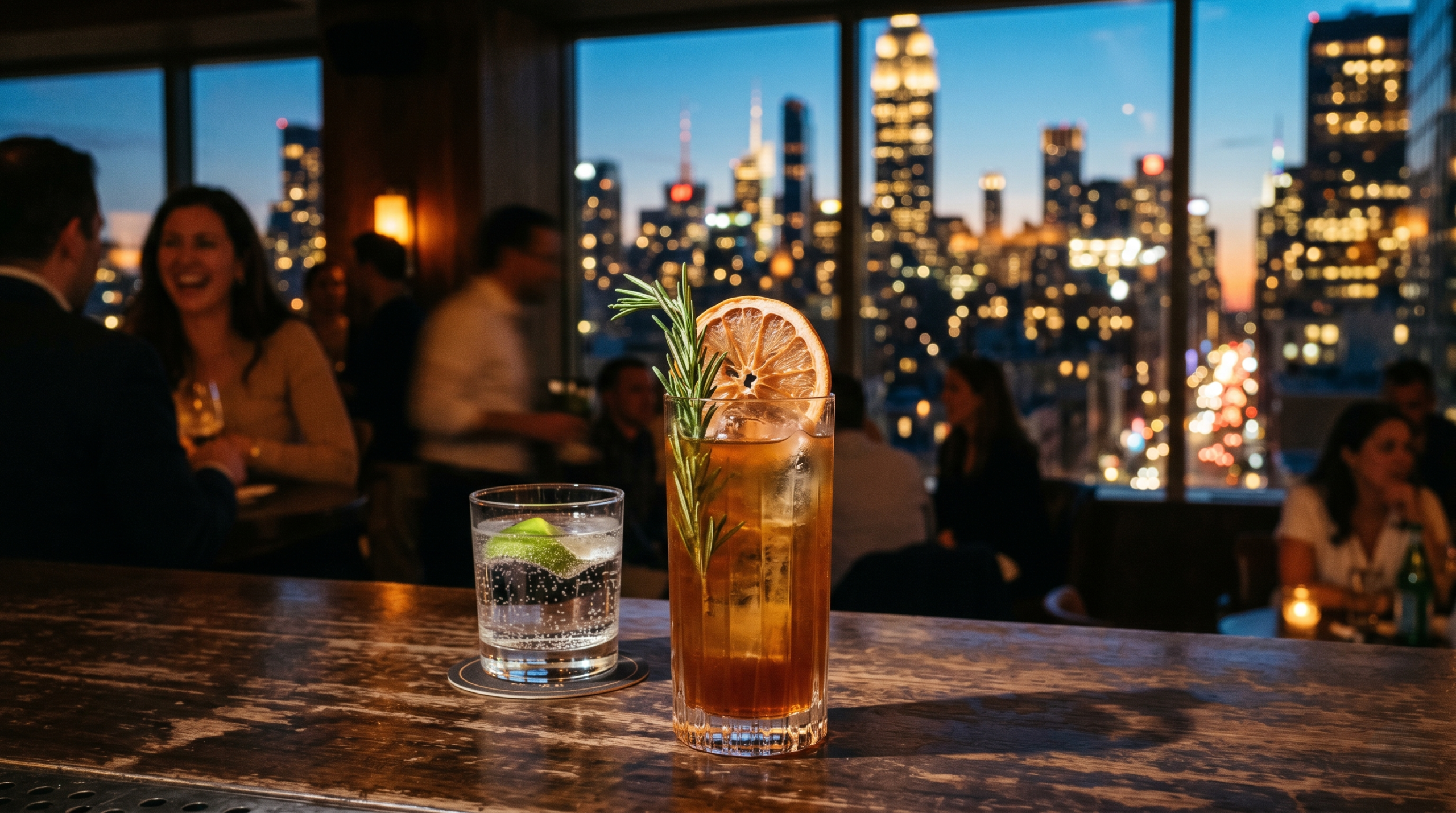
This is the golden, non-negotiable rule of mindful socializing. For every single alcoholic or sugary beverage you consume, you must drink one full glass of water. Alcohol is a diuretic, signaling your kidneys to expel fluid at a rapid rate. Dehydration is a massive stressor on the body and significantly exacerbates sleep fragmentation. By pacing yourself with water, you dilute your blood alcohol concentration, slow your drinking pace, and give your liver a fighting chance to metabolize the toxins efficiently.
Rule 2: Mindful Ordering (The Rise of the Mocktail)
You do not have to drink alcohol to enjoy a happy hour. We are currently in a renaissance of zero-proof beverages. Midtown bars and restaurants have caught onto the wellness wave, offering sophisticated, complex botanical mocktails that feel just as celebratory as a traditional cocktail.
When ordering, look for ingredients that actively promote a calm nervous system:
-
Tart Cherry Juice: Naturally rich in melatonin, helping to regulate your sleep-wake cycle.
-
Chamomile or Lavender Infusions: Powerful nervines that gently reduce anxiety.
-
Magnesium-Rich Mixers: Sparkling mineral waters with a lime twist can support muscle relaxation.
Rule 3: The “Cut-Off” Clock
Timing is everything when it comes to sleep hygiene. As a general biological rule, the human liver metabolizes roughly one standard alcoholic drink per hour. If you want to protect your deep sleep and allow your core body temperature to regulate, you must establish a strict cut-off clock based on your ideal bedtime.
Work backward: If your goal is to be asleep by 10:30 PM, and you plan to have two drinks, your absolute hard stop for alcohol consumption should be 8:30 PM at the latest. After that time, seamlessly switch to sparkling water with bitters or a herbal tea. This buffer period allows your body to process the alcohol while you are still awake, significantly reducing the chances of REM sleep suppression and midnight anxiety.
Rule 4: Strategic Snacking for Blood Sugar Balance
Consuming alcohol on an empty stomach is a recipe for a rapid blood sugar spike, followed by a severe crash—a crash that signals your adrenal glands to pump out cortisol and adrenaline to stabilize your system. These stress hormones are exactly what jolt you awake in the middle of the night.
When scanning the bar menu, bypass the simple, fried carbohydrates. Instead, proactively order appetizers rich in protein and healthy fats. Hummus, mixed nuts, olives, and charcuterie provide a steady release of energy and slow down the absorption of alcohol into your bloodstream. By stabilizing your blood sugar early in the evening, you protect the architectural integrity of your sleep later that night.
5 Mindful Alternatives to the Traditional Midtown Happy Hour
The standard bar scene is not the only way to build camaraderie with your colleagues. If you want to bypass the alcohol and the noise entirely, consider suggesting one of these holistic, wellness-forward alternatives that foster connection without compromising your health.
1. The “Sweat and Socialize” Happy Hour
Endorphins are powerful bonding agents. Instead of heading to a dimly lit pub, suggest a group booking at a local midtown fitness studio. Whether it is an evening vinyasa yoga flow, a low-impact pilates class, or an upbeat indoor cycling session, exercising together burns off the day’s accumulated cortisol. Afterward, grab a nutrient-dense protein smoothie together. You still get the social interaction, but you swap the hangover for a shared endorphin rush.
2. The Tea House Decompression
Coffee shops are for the morning rush, but premium tea houses are perfect for evening unwinding. Suggesting a meet-up at a specialized matcha bar or an authentic tea house provides a quiet, sophisticated ambiance. The act of sharing a pot of herbal, non-caffeinated tea (like rooibos, holy basil, or peppermint) inherently encourages deeper, more meaningful conversations than you would find yelling over the music at a crowded bar.
3. Meditation and Sound Bath Studios
With holistic well-being on the rise, many urban centers now offer drop-in meditation and sound bath studios. These spaces are specifically designed to shift your brainwaves from the active, stressed beta state into the relaxed, restorative alpha or theta states. Attending a 30-to-45-minute guided relaxation session post-work is the ultimate palate cleanser for a stressed mind, setting you up for the best night of sleep possible.
4. The “Walk and Talk” (Urban Nature)
Never underestimate the power of bilateral stimulation—the simple act of walking forward. Moving your body through space helps your brain process the emotional residue of the day. Instead of sitting, suggest a “walk and talk” through a nearby green space like Bryant Park or along a scenic river path. Exposure to fresh air and early evening light helps regulate your circadian rhythm, while the casual, side-by-side nature of walking takes the pressure off social interactions.
5. Art Galleries and Cultural Pop-ups
Engage your brain in a low-stress, highly stimulating way. Wandering through a local art gallery opening, a museum’s extended evening hours, or a cultural pop-up provides immediate conversation starters. It is a culturally enriching way to bond with coworkers that naturally limits alcohol intake and keeps you moving.
The Post-Happy Hour Wind-Down Routine
Even if you navigated your evening socializing flawlessly, the transition from the bustling city back to your home requires intentionality. To ensure you maintain a calm brain, you need a structured wind-down protocol.
The 30-Minute Wash-Away Protocol
When you walk through your front door, your brain is still vibrating with the energy of the city. Create a physical boundary between your social life and your sanctuary. Spend the first 30 minutes removing your work clothes, washing your face, and doing a gentle, mindful skincare routine. This physical washing acts as a psychological cue, signaling to your nervous system that the performance of the day is officially over.
Re-Hydration and Liver Support
Before you get into bed, offer your body a final layer of support. Brew a warm, caffeine-free tonic to aid your natural detoxification processes overnight. Dandelion root tea is excellent for liver support, while a warm mug of water with a high-quality magnesium glycinate powder can profoundly relax your muscular and nervous systems, counteracting any residual tension from the day.
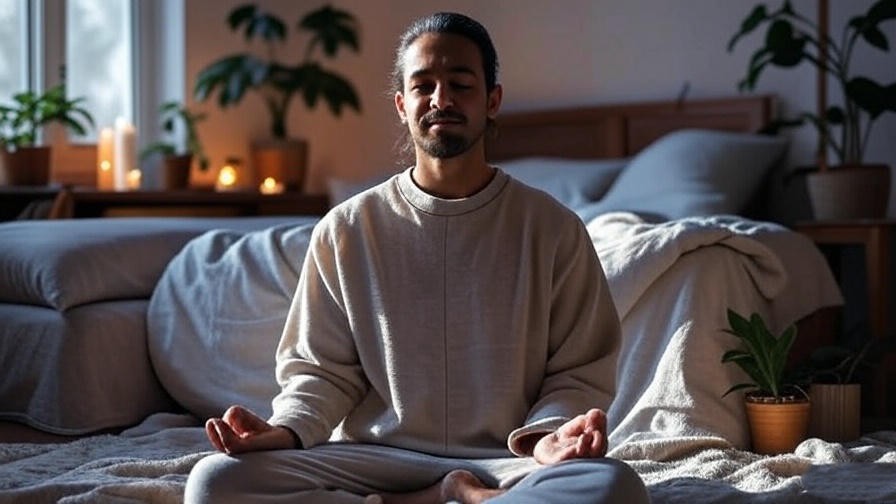
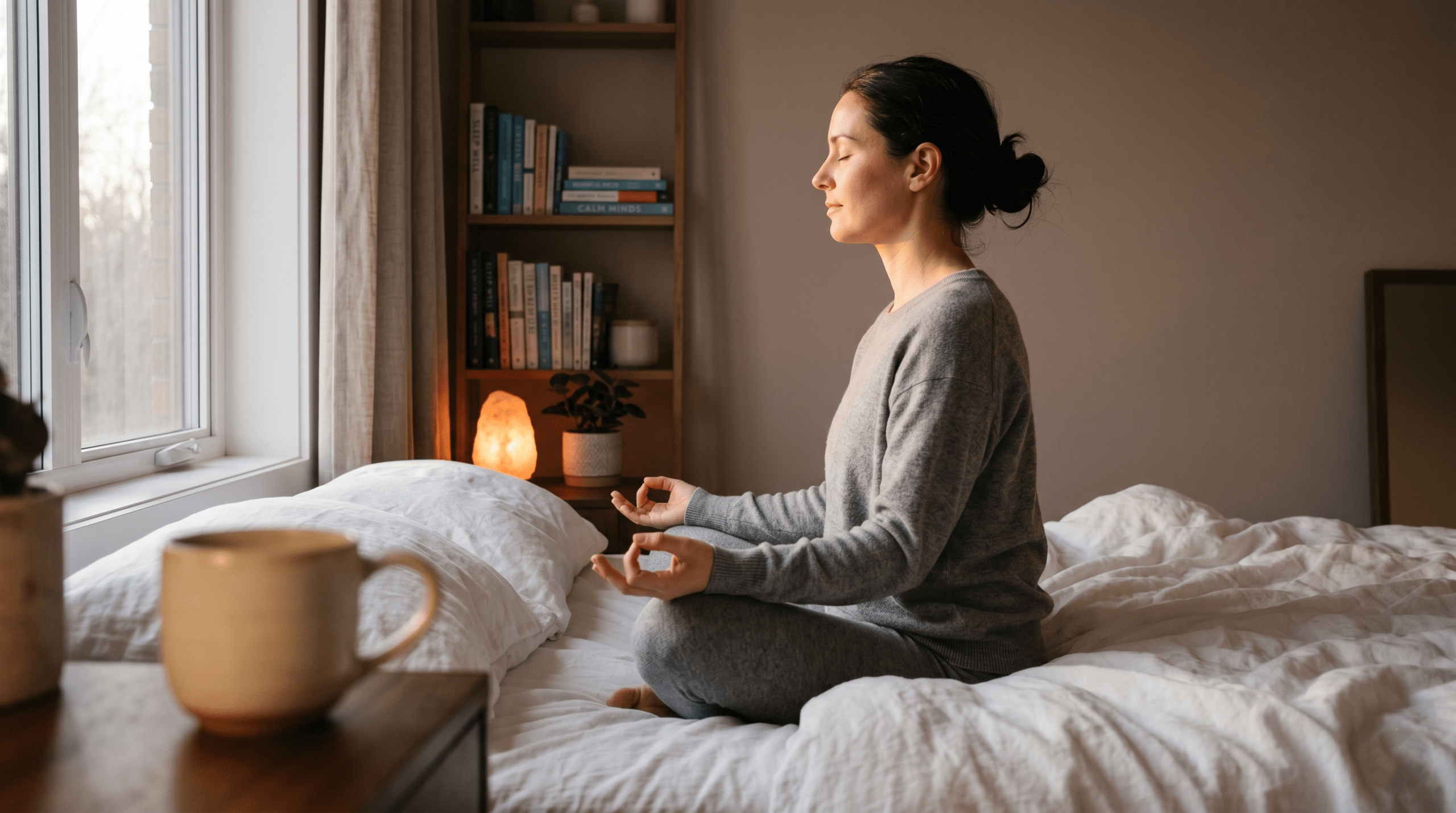
A 5-Minute Meditation for a Racing Mind
If you find that the noise and lights of the city have left you overstimulated, do not simply lie in the dark hoping for sleep to arrive. Take control of your autonomic nervous system.
Sit at the edge of your bed and practice the 4-7-8 breathing technique:
-
Inhale quietly through your nose for 4 seconds.
-
Hold your breath for 7 seconds.
-
Exhale completely through your mouth, making a whoosh sound, for 8 seconds. Repeat this cycle four times. This specific rhythm acts as a natural tranquilizer for the nervous system, rapidly lowering your heart rate and preparing your body for deep rest.
Frequently Asked Questions (FAQs)
Can I drink one glass of wine without ruining my sleep? Yes, but timing and biological individuality matter. A single glass of wine consumed with food and processed fully before bed (using the one-hour-per-drink rule) is unlikely to cause severe sleep disruption for most healthy adults. However, if you are highly sensitive to alcohol or currently struggling with insomnia, even one drink can fragment your sleep architecture.
Why do I wake up at 3 AM after going to a happy hour? This is typically the result of a blood sugar crash combined with alcohol leaving your system. As your blood sugar plummets in the middle of the night, your body releases cortisol to stabilize it, waking you up. Simultaneously, the sedative effect of the alcohol wears off, leading to a mild state of physical withdrawal that increases your heart rate and body temperature.
What is the best alcohol to drink for sleep? Biologically speaking, there is no “best” alcohol for sleep, as all alcohol disrupts REM cycles and deep sleep. However, if you choose to drink, clear spirits (like vodka or tequila) mixed with plain soda water, or dry, low-sugar wines are generally the “least offensive.” They contain fewer congeners (byproducts of fermentation) and less sugar, which minimizes the intensity of the blood sugar rollercoaster and the ensuing hangover.
Why are my dreams so intense or chaotic after a night out? This is due to “REM Rebound.” Because alcohol suppresses your REM (dreaming) stage of sleep during the first half of the night, your brain tries to catch up in the second half. This creates a backlog of intensely vivid, often chaotic, or stressful dreams that can leave you feeling emotionally exhausted upon waking.
How do I politely decline drinks at a corporate happy hour? Confidence and brevity are key. You do not need to offer a lengthy medical explanation. A simple, cheerful, “I’m sticking to sparkling water tonight, but I’d love to hear about your week!” is highly effective. If pressed, saying, “I have an early start tomorrow and want to wake up fresh,” is a universally respected professional boundary.
Conclusion: Toasting to True Well-Being
Navigating a happy hour midtown does not require you to sacrifice your holistic well-being on the altar of social obligation. By understanding the biological mechanics of alcohol, prioritizing strategic hydration, and embracing mindful alternatives, you can enjoy the camaraderie of your colleagues while protecting the sanctuary of your sleep.
True happiness is not just found in the fleeting joy of a clinking glass; it is rooted in the steady, sustained energy you feel the morning after. It is the clarity of a well-rested brain and the vitality of a nourished body.
The next time that 5 PM invitation hits your phone, try implementing just one of these mindful strategies. Pay attention to how it shifts your evening, and more importantly, check your sleep tracker the next morning. You might just find that waking up feeling vibrant and peaceful is the best reward of all.