
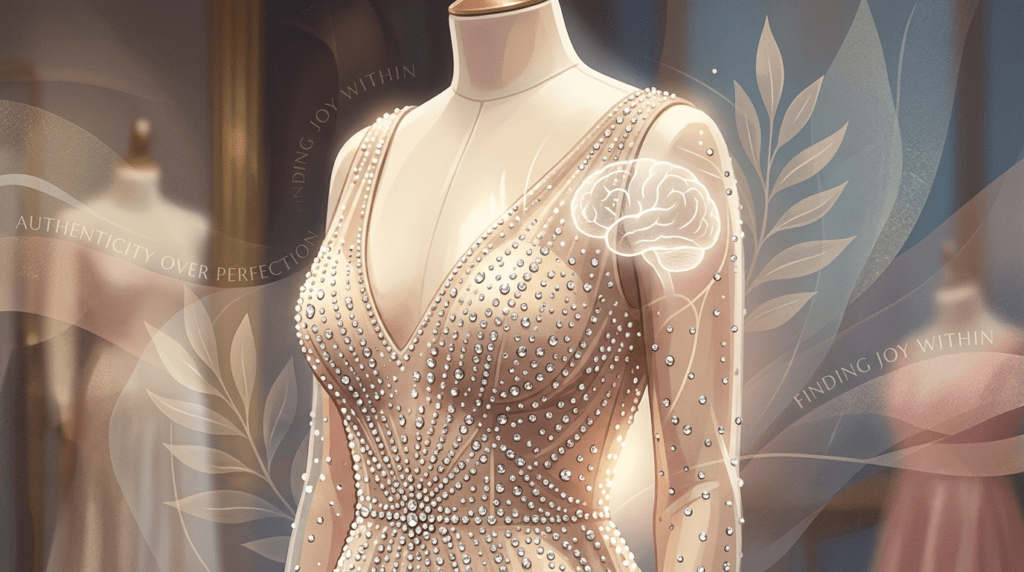
On the crisp evening of May 19, 1962, inside a packed Madison Square Garden, the lights dimmed, and a breathless silence fell over the crowd. A figure stepped to the microphone and slowly shed a white ermine fur coat. What lay beneath was not merely fabric, but a glittering illusion that would forever alter pop culture. The marilyn monroe happy birthday dress was a marvel of design—thousands of hand-sewn rhinestones shimmering on sheer silk, creating the breathtaking illusion that the world’s biggest star was adorned in nothing but diamonds and light.
Yet, while the roaring crowd saw an immortal icon at the absolute peak of her power and glamour, the woman trapped inside that marquisette silk was navigating an agonizing internal reality.
For decades, we have obsessed over the aesthetics of this moment, analyzing the dress, the performance, and the scandal. However, when viewed through the lens of holistic well-being, cognitive psychology, and mental health, this historic garment becomes something much more profound. It serves as a striking metaphor for the punishing cost of perfectionism, the dangers of outsourcing our self-worth, and the vital importance of building happiness from the inside out.
The Architecture of an Illusion: The Story of the “Naked Dress”
To understand the psychological weight of this moment, we must first look at the literal construction of the garment. It was not something one simply wore; it was an architecture of control.
A Garment Built for Scandal (and Control)
The dress was the brainchild of Hollywood costume designer Jean Louis, born from a sketch by a young Bob Mackie. Monroe wanted a dress that would “wake up” the audience, a garment that only she could wear. The result was a sheer, flesh-colored marquisette fabric, so delicate and tightly fitted that Monroe wore nothing underneath.
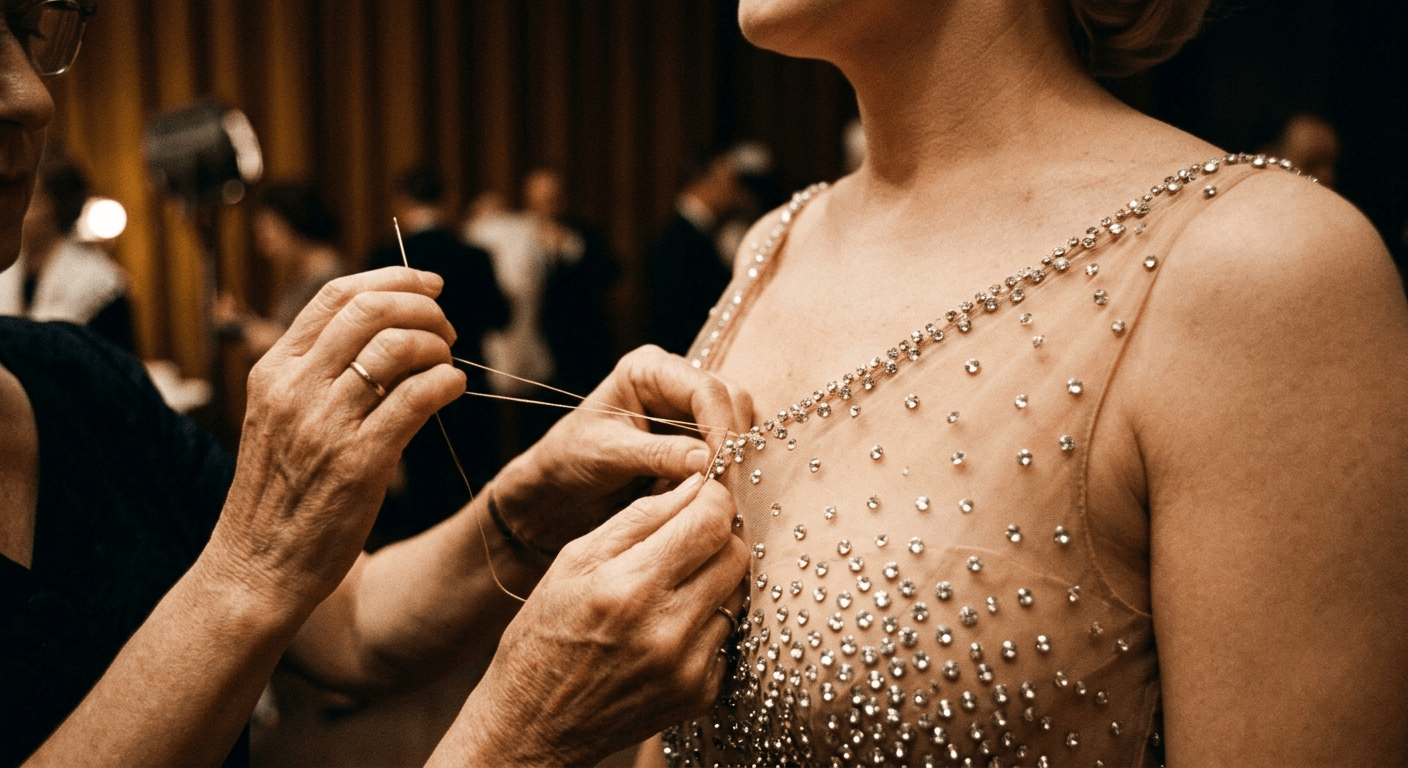
Because the fabric was entirely unforgiving, there were no zippers or buttons. Monroe had to be literally sewn directly into the dress moments before stepping onto the stage. Symbolically, she was entirely bound and stitched into her public persona. The dress allowed for no deep breaths, no natural expansion of the body, and no room for the messy, beautifully imperfect reality of being human. It was an external shell demanding absolute, rigid perfection.
The Physical Toll of the Spotlight
The pursuit of this aesthetic illusion carried a heavy physical and neurological toll. Leading up to the gala, Monroe was battling severe psychological distress, chronic insomnia, and intense anxiety. She had recently undergone gallbladder surgery and had dieted down to the lowest weight of her adult life to fit the exacting dimensions of Jean Louis’s creation.
When the human body is subjected to extreme restriction—whether through severe dietary limitation or physical binding—the nervous system registers this as a state of chronic threat. The sympathetic nervous system engages, flooding the brain with cortisol and adrenaline. The sheer physical discomfort of being sewn into a garment that restricts breathing inevitably heightens cognitive load, amplifying existing anxiety and disconnecting the mind from the body’s natural resting state. Monroe was not just wearing a dress; she was enduring a physical manifestation of her own impossible standards.
The Neuroscience of Perfectionism and Reality Filtering
The tragic juxtaposition of Monroe’s radiant external appearance and her devastating internal pain offers a masterclass in how the human brain processes validation, filters reality, and occasionally turns against itself in the pursuit of perfection.
How the Brain Processes External Validation
In cognitive psychology, the relentless pursuit of perfection is often linked to the brain’s dopamine reward pathways. When we receive praise, applause, or societal validation, our brains release dopamine, creating a temporary surge of pleasure and satisfaction. However, the brain rapidly habituates to these external stimuli. What once provided a massive emotional lift—like landing a starring role or receiving a standing ovation—soon becomes the baseline requirement just to feel “normal.”

For someone in Monroe’s position, the external validation was loud, constant, and inherently superficial. Her brain’s reward system was being fed a continuous diet of applause for a carefully curated illusion, rather than love for her authentic self. When we rely solely on external sources for our self-worth, we trap ourselves in a relentless dopamine loop. The moment the applause fades, the dopamine drops, leaving behind a profound neurological void that often manifests as depression, anxiety, and a feeling of deep emptiness.
The Public Persona vs. The Private Self
Our brains are highly sophisticated prediction engines that constantly filter reality to maintain a cohesive sense of identity. But what happens when there is a massive fracture between who we are in private and who we are forced to be in public?
Monroe frequently spoke of “Marilyn” in the third person, treating her public persona as a separate entity entirely. This creates severe cognitive dissonance. The brain struggles to reconcile the reality of being universally desired and adored with the internal reality of feeling intensely isolated, profoundly misunderstood, and inherently unworthy.
When the brain filters reality through the lens of a highly demanding public persona, it begins to discard or ignore the basic needs of the private self—such as the need for deep rest, emotional safety, and uncurated downtime. The “Marilyn” filter demanded constant performance, leaving Norma Jeane (her birth name) starved of the authentic connection and restorative rest necessary for holistic well-being.
The Modern Echo: The Met Gala Controversy
The lessons of the Happy Birthday dress are not confined to 1962. Sixty years later, the dress once again captured global attention, revealing that our cultural struggle with perfectionism and external validation is far from over.
When History Becomes Content
In 2022, the dress was pulled from its temperature-controlled vault and worn briefly on the red carpet of the Met Gala. This decision sparked massive outrage among fashion historians, museum conservators, and cultural commentators. The incident highlighted a modern psychological phenomenon: the intense desire to consume, replicate, or literally wear the greatness of others to boost our own social capital.
In the digital age, we frequently fall into the trap of believing that if we can just replicate the outward aesthetics of success—the right clothes, the curated vacation photos, the viral trends—we will finally secure our own self-worth. We prioritize the performance of greatness over the quiet, unglamorous work of cultivating genuine inner confidence.
The Fragility of the Façade
Following the 2022 Met Gala, reports and photographs emerged suggesting the dress had suffered significant damage—pulled seams, tearing silk, and missing crystals.
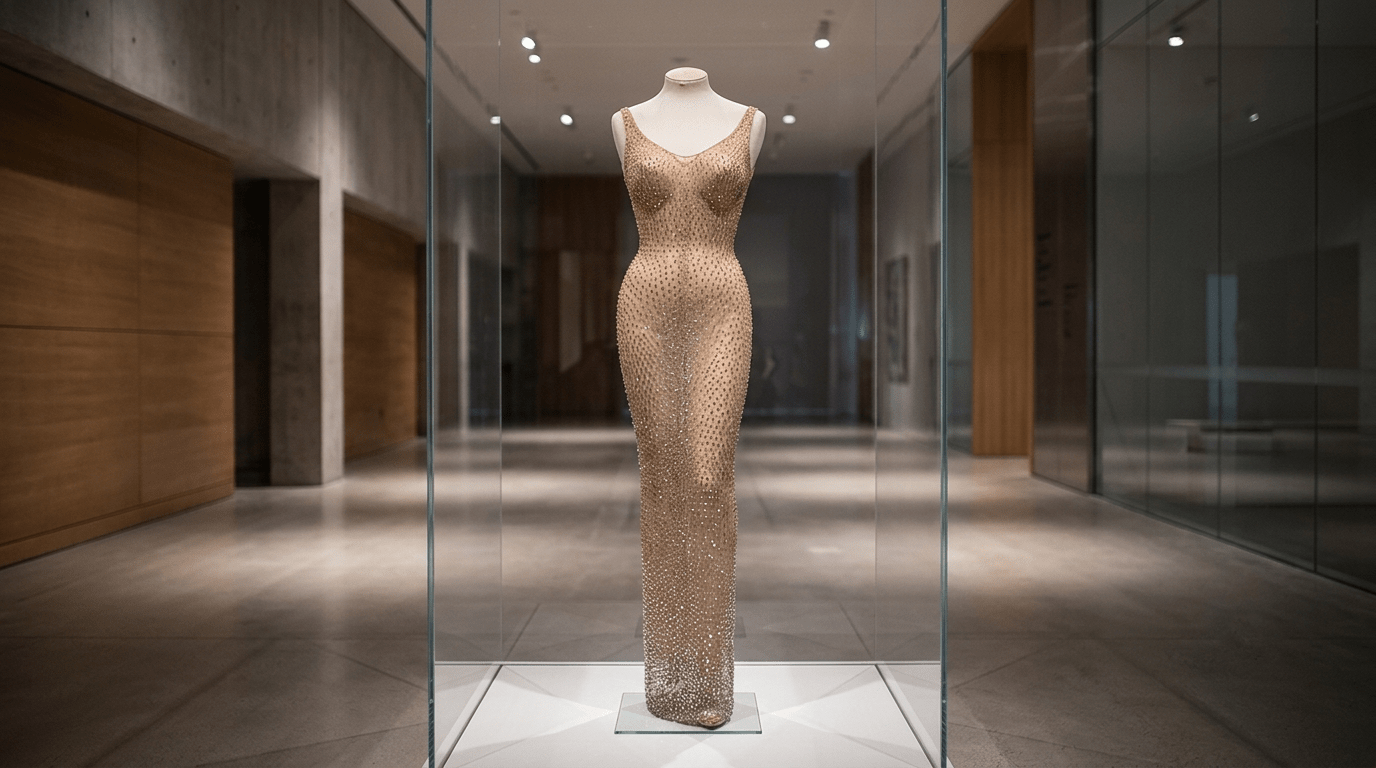
This tearing of fragile, historic silk serves as a brilliant, if heartbreaking, metaphor. When we force ourselves into molds that were never meant for us, or when we subject our delicate minds and bodies to the crushing pressures of modern perfectionism, something eventually has to give. The human nervous system, much like 60-year-old marquisette silk, is not designed to withstand relentless pulling and stretching for the sake of a fleeting, public spectacle.
Reclaiming the Narrative: Lessons in True Happiness
If the story of the dress is a warning about the costs of perfectionism, how do we use this knowledge to rewrite our own narratives? How do we build an internal architecture of happiness that doesn’t rely on the applause of a crowd?
Dismantling the “Perfect” Illusion
The first step toward holistic well-being is recognizing the “rhinestone dresses” we wear in our own lives. These are the heavily curated, often deeply uncomfortable personas we present to our colleagues, our families, and our social media feeds.
We must critically examine our cognitive filters: Are we making choices based on what will look successful to others, or what will genuinely nourish our own minds and bodies? Dismantling the illusion requires radical honesty. It means acknowledging when a relationship, a career path, or a lifestyle choice looks dazzling on the outside but feels suffocating on the inside.
Grounding Practices for Authentic Self-Worth
To detach our self-worth from external achievements and aesthetic perfection, we must consciously rewire our nervous systems to find safety in the present moment, rather than in future validation.
-
Prioritize Deep Rest Over Performative Action: True restoration occurs when we stop performing. Engage in practices that do not require an audience, such as spending time in a quiet, dark room, allowing your brain to process the day without the input of screens or social expectations. Let your nervous system power down.
-
Sensory Grounding Exercises: When you feel the anxiety of perfectionism rising, pull your mind back into your physical body. Focus on the raw sensory data of the present moment—the texture of a soft blanket, the temperature of the air in the room, the rhythm of your own unforced breath. This bypasses the brain’s anxious prediction loops and anchors you in reality.
-
Embrace the “Un-Sewn” Life: Allow yourself room to expand. Set boundaries that protect your private self from public consumption. Cultivate hobbies and interests that you are deliberately “bad” at, simply for the joy of the experience, proving to your brain that your value is not tied to flawless execution.
Conclusion
The tragedy of the Happy Birthday dress is that it achieved exactly what it was designed to do: it made Marilyn Monroe look immortal, untouchable, and flawless. Yet, the woman wearing it was none of those things; she was deeply human, exhausted, and desperately in need of peace. She passed away just three months after that iconic performance.
The legacy of this garment should not just be about glamour or scandal. It should serve as a permanent reminder that no amount of external sparkle can compensate for an internal void. True happiness is not found in being sewn into a perfect, restrictive illusion for the benefit of others. It is found in having the courage to step out of the spotlight, take a deep breath, and finally allow yourself to simply exist.
Frequently Asked Questions (FAQ)
Why was Marilyn Monroe’s Happy Birthday dress so controversial in 1962? The dress was shocking because the sheer, flesh-toned fabric created the illusion that Monroe was completely nude, save for the strategically placed rhinestones. It was a bold defiance of the conservative studio system and a daring reclamation of her own sexuality on a highly publicized, political stage.
How much is the Marilyn Monroe dress worth today? The dress holds the record for the most expensive piece of clothing ever sold at auction. In 2016, Ripley’s Believe It or Not! purchased the garment for a staggering $4.8 million, highlighting our ongoing cultural obsession with artifacts of extreme fame.
Why did the 2022 Met Gala incident cause such an uproar? Fashion historians argued that garments of that age and delicacy should be preserved in museum environments, not worn on red carpets. The incident sparked a global conversation about the ethics of preservation, the risks of damaging historical artifacts for modern social media clout, and the intense, often harmful pressure placed on women’s bodies to fit into impossibly small, restrictive standards.