
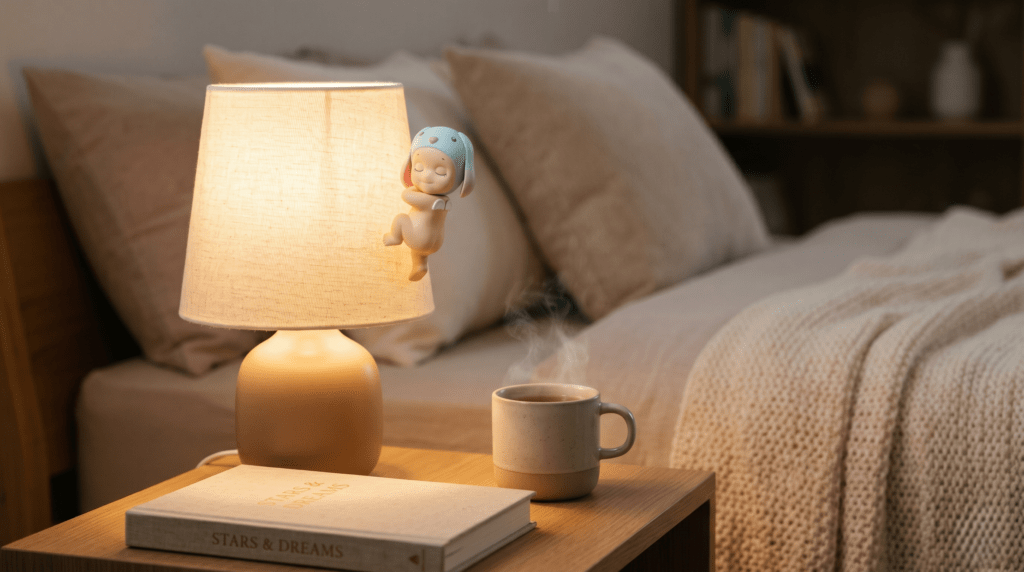
The modern evening is often a battleground between exhaustion and overstimulation. As the clock ticks past 11 PM, the glow of our digital screens keeps the survival systems inside our brains on high alert, trapping millions in a frustrating cycle of revenge bedtime procrastination. We know we need to power down, but making that mental shift requires more than sheer willpower; it requires a physical, somatic circuit breaker. Surprisingly, one of the most effective new tools for this transition isn’t a complex sleep app or an expensive gadget—it’s a viral, whimsical collectible. Integrating a sonny angel dreaming hipper into your environment can serve as a powerful visual anchor, transforming your nightly routine from a period of digital anxiety into a haven of joy and calm.
While these miniature figures have taken social media by storm as cute accessories, looking at them through the lens of cognitive psychology and sleep hygiene reveals a deeper utility. In a world dominated by intangible digital stress, bringing a small, peaceful, physical object into your peripheral vision can profoundly impact your nervous system.
This comprehensive guide will explore the intersection of modern trend culture and holistic well-being. We will dive into the neuroscience of “micro-joys,” examine how visual cues influence our consciousness and memory, and provide actionable, step-by-step strategies to use this specific little figure to signal to your brain that it is finally time to rest.
What is the Sonny Angel Dreaming Hipper? (And Why is it Everywhere?)
To understand why a small plastic cherub is relevant to mindfulness and sleep, we first have to deconstruct the object itself.
The Anatomy of a Viral Collectible
Sonny Angels are a line of Japanese mini-figures that have existed for nearly two decades but have recently experienced an explosive resurgence in global popularity. Traditionally sold in “blind boxes”—meaning the buyer doesn’t know exactly which figure they are getting until they open it—they tap into the brain’s reward center, offering a small dopamine hit of surprise and delight.
The “Hipper” variation, however, introduced a functional twist that changed how people interact with the figures. Unlike standard dolls that stand on a shelf, Hippers are designed with an adhesive stomach and a slightly turned head, allowing them to attach to the edges of everyday objects. You will frequently see them peeking over the top of smartphones, laptops, rearview mirrors, and bedside tables. They are designed to be omnipresent companions in our daily environments.
The “Dreaming” Series Distinction
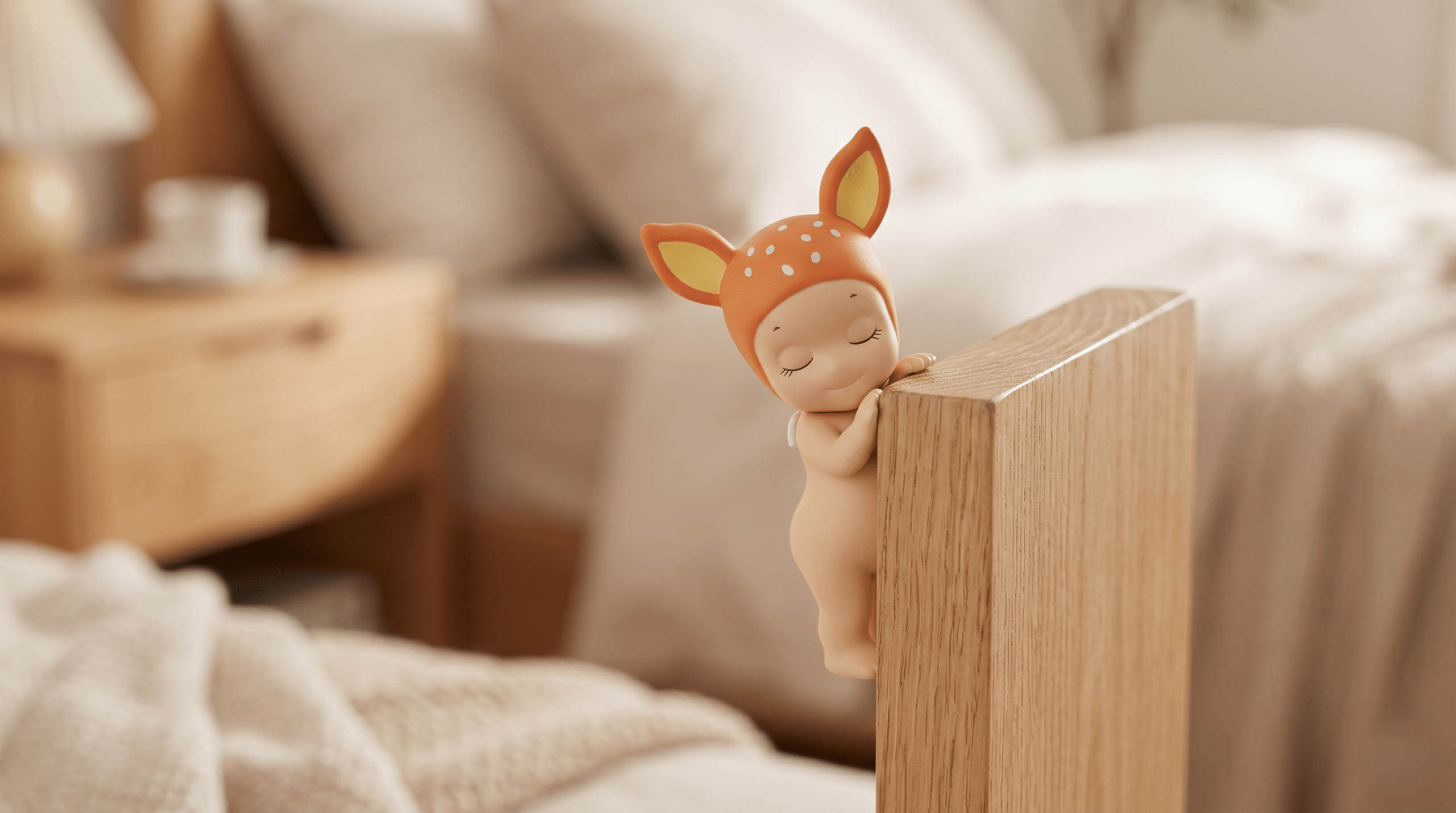
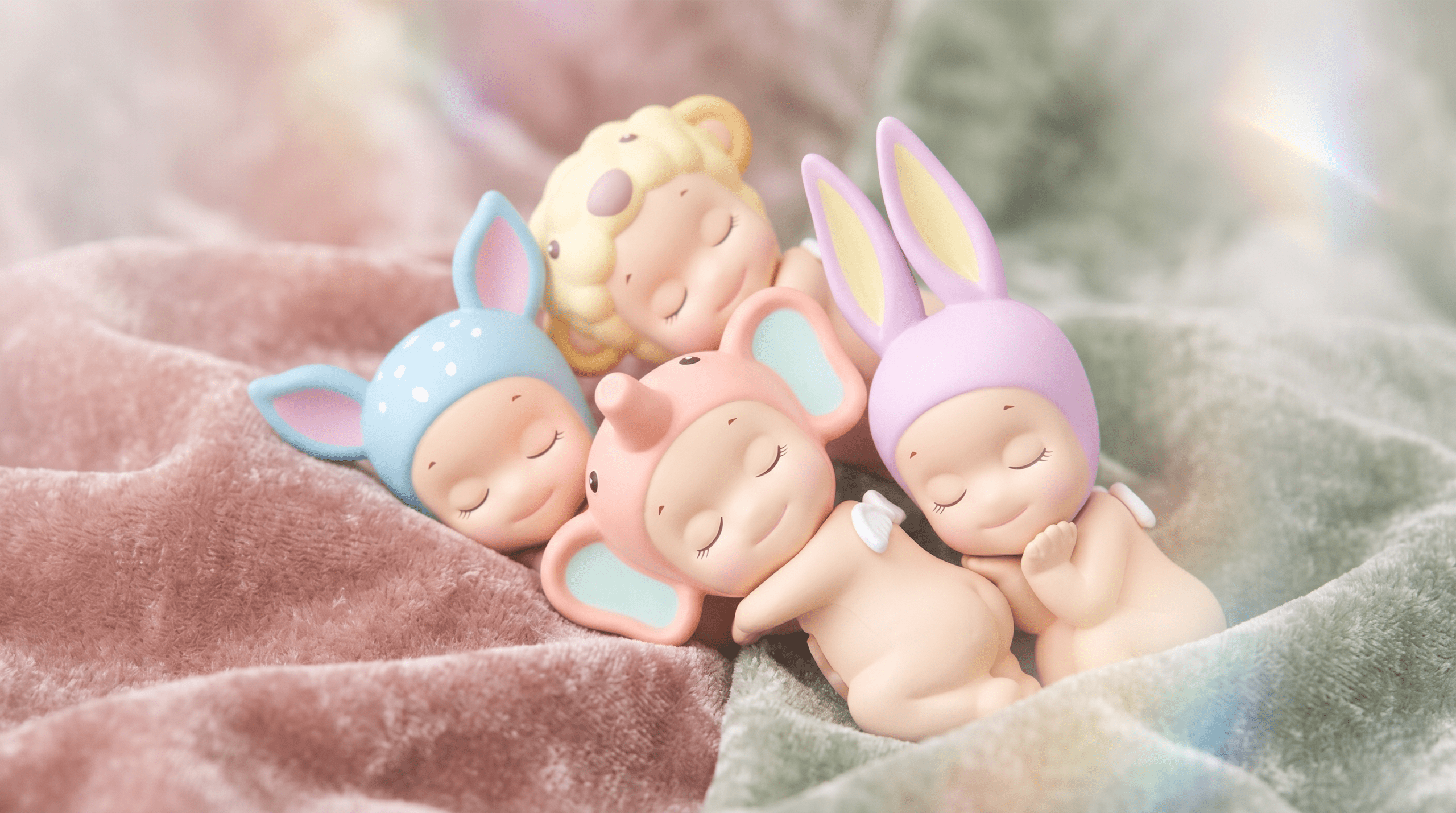
While standard Sonny Angels have wide, staring eyes, the Dreaming series is distinctly different, and this is where its value for holistic well-being emerges. The figures in this specific series are painted in soft, muted pastel colors. More importantly, their eyes are gently closed, their expressions are perfectly serene, and their body language suggests deep, undisturbed slumber.
When you attach a sonny angel dreaming hipper to an object in your environment, you are not just decorating a space; you are intentionally placing a symbol of restfulness in your line of sight. As we will explore, this specific aesthetic—the visual representation of a peaceful, sleeping face—is inherently calming to the human brain, making it a surprisingly effective tool for an evening wind-down routine.
The Neuroscience of “Micro-Joys” and Visual Anchors
It is easy to dismiss a collectible as a mere toy, but doing so ignores how our brains process environmental stimuli. Establishing a sense of calm is not always about grand gestures, like a week-long silent retreat. Often, it is about engineering “micro-joys”—small, accessible moments of delight that briefly interrupt the brain’s stress loops.
Why Tangible, Analog Objects Ground Us
We are increasingly living our lives in a digital, frictionless space. This constant digital immersion keeps our cognitive load high and our awareness detached from our immediate physical surroundings. To achieve true relaxation, we have to return to the physical world.
Think about the mindfulness benefits of listening to vinyl records. The act of sliding the record out of its sleeve, placing it on the turntable, and carefully dropping the needle is a deeply analog, tactile process. It forces you to be present. It grounds your consciousness in the physical room. Engaging with physical, tangible objects shifts our brain state.
Similarly, having a physical figure attached to your bedside lamp or journal acts as an analog grounding mechanism. It is a three-dimensional object in a two-dimensional world. When your eyes land on it, it pulls your attention out of the infinite scroll of your smartphone and back into the physical reality of your bedroom. It is a small, tactile reminder of the present moment.
The Power of Visual Cues in Habit Formation
Our brains are highly associative machines. The architecture of our memory dictates that our habits are heavily reliant on environmental cues to trigger specific neurological states. If you consistently work from your bed, your brain associates the bed with alertness and stress. Conversely, if you curate specific cues that are only associated with rest, your brain learns to trigger the parasympathetic nervous system—the “rest and digest” state—upon encountering those cues.
By intentionally placing a calming visual object in your bedroom, you create a localized safety cue. When you repeatedly associate the sight of the sleeping figure with the act of winding down, breathing deeply, and preparing for sleep, you forge a new neural pathway. Over time, simply glancing at the figure bypasses conscious thought and directly signals to your nervous system that the demands of the day have ended.
The Irony of the Hipper: Using Your Phone Accessory for a Digital Detox
There is a distinct irony in discussing the Sonny Angel Hipper as a tool for better sleep, considering its primary real estate is usually the back of a smartphone. Our phones are the ultimate anti-sleep devices, emitting blue light that suppresses melatonin production and delivering a relentless stream of dopamine-spiking content that shatters our focus. However, we can use this exact placement to our psychological advantage through a process called cognitive reframing.
Reframing the Phone’s Purpose Before Bed
Rather than trying to banish the phone entirely—a goal that often leads to anxiety and failure—you can use your phone accessory as an intervention tool. By attaching a sleeping figure to the top edge of your device, you create a physical juxtaposition against the digital chaos beneath it.
Imagine the familiar scenario: it is 11:30 PM, your eyes are heavy, but a spike of late-night anxiety prompts you to reach for your phone to doomscroll. As you lift the device, the first thing you see peeking over the top is not a notification, but the closed eyes and serene expression of your miniature companion. In that crucial micro-second, the figure acts as a gentle, non-judgmental stop-sign. It serves as an immediate visual reminder of your intention to rest, interrupting the automatic habit loop of opening social media. You are leveraging a phone accessory to actively facilitate a digital detox.
Step-by-Step: Creating a Sonny Angel Wind-Down Routine
To maximize the benefits of this visual anchor, it must be integrated into a deliberate sleep hygiene practice. Google Discover algorithms and holistic health experts alike favor actionable, structured routines. Here is a step-by-step guide to transforming a simple object into a catalyst for profound relaxation.
Step 1: The Transition Ritual
The human brain thrives on transitional rituals to distinguish between different phases of the day. Much like changing out of your work clothes signals the end of the professional day, interacting with your visual anchor can signal the beginning of your rest phase.
Set a specific time each evening to begin your wind-down routine. At this time, actively acknowledge the figure. If it is attached to a bedside lamp or a bedroom plant (bringing a touch of grounding, nature-like calm indoors), gently turn the lamp on or physically position the object to face you. This small, deliberate action serves as the psychological boundary between the day’s waking stress and the night’s required peace.
Step 2: Breathwork and Visual Focus
Mindfulness meditation often utilizes a drushti—a Sanskrit term for a focused gaze point. Wandering eyes lead to wandering thoughts, which is the enemy of sleep onset.
Sit comfortably on the edge of your bed and let your gaze rest softly on the figure’s peaceful face. Use it as your focal point for a five-minute breathwork session. Try the 4-7-8 breathing technique (inhale for 4 seconds, hold for 7, exhale slowly for 8). As your mind inevitably tries to pull you back to tomorrow’s to-do list, use the physical presence of the sleeping figure to anchor your consciousness back in the room. This active focus lowers your heart rate and signals your survival systems that you are safe and ready to power down.
Step 3: Curating Your Sleep Environment
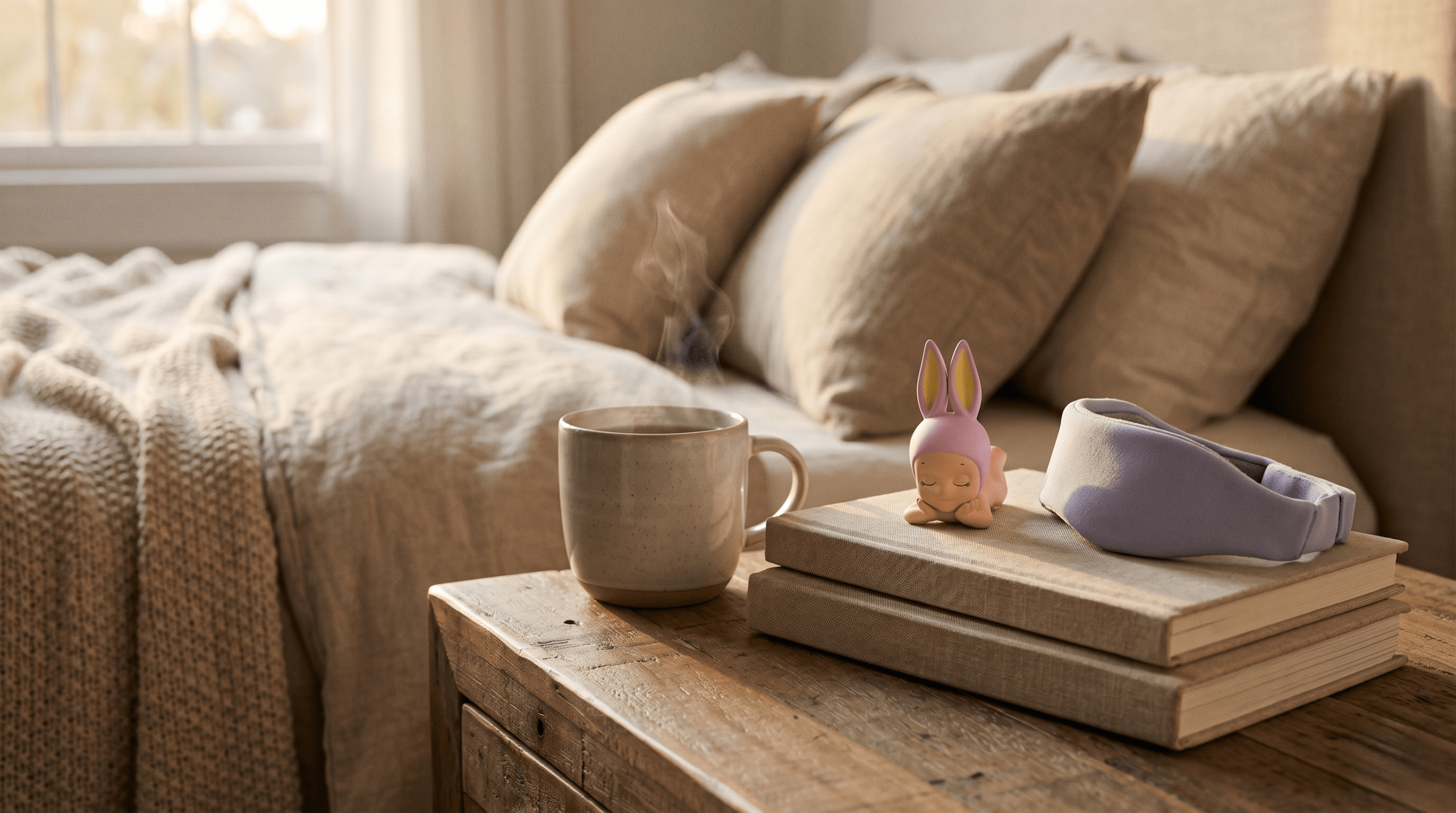
To truly cultivate a “calm brain” state, consider where you place your visual anchor. While the phone is a popular choice, attaching it to an analog alarm clock, a bedside journal, or a reading light transforms your nightstand into a dedicated sanctuary for sleep. By surrounding yourself with offline, tactile tools, you actively dismantle the environment that fuels sleep latency and nighttime waking.
How “Dreaming” Imagery Influences Our Own Sleep and Dreams
Why does the Dreaming series work better for this routine than standard figures? The answer lies deep within the architecture of our neurology.
Mirror Neurons and Empathy
Our brains are equipped with mirror neurons, which are specialized cells that fire both when we act and when we observe the same action performed by another. It is the neurological basis for empathy and why yawns are contagious.
When you look at a face that is tense or angry, your own facial muscles subconsciously micro-contract, and your stress levels rise. Conversely, when you observe a face that is deeply relaxed, with soft eyelids and a peaceful aura—even if that face belongs to a stylized, miniature figure—your mirror neurons encourage your own physiology to mimic that state. You subconsciously relax your jaw, soften your brow, and release tension in your shoulders simply by observing tranquility.
Setting Intentions for Positive Dreams
In the realm of dream psychology, our pre-sleep state heavily dictates the landscape of our subconscious at night. If you fall asleep ruminating on stress, your REM sleep is more likely to be fragmented by anxiety dreams.
Using a sleeping figure as the final thing you focus on before turning out the light helps set a positive cognitive baseline. If you keep a dream journal, place the figure near it. Let it serve as a mascot for setting a nightly intention: “I am letting go of today. I am open to restful, restorative dreams.” This subtle shift in pre-sleep cognition can drastically improve the subjective quality of your rest.
Finding Happiness in the “Little Things” (Holistic Well-being)
Holistic well-being is not just about optimizing your diet or tracking your sleep cycles; it is fundamentally about how much joy you allow yourself to experience in the mundane moments of life.
The Inner Child Connection
As adults, we often strip our environments of playfulness in the name of minimalism or maturity. Yet, there is a profound psychological benefit to reconnecting with our inner child. There is no shame in finding comfort, nostalgia, and genuine happiness in something cute or whimsical. Embracing these small delights lowers cortisol, boosts serotonin, and fosters a lighter, more resilient approach to daily stressors. Giving yourself permission to enjoy a tiny, sleeping cherub on your nightstand is an act of self-compassion.
Frequently Asked Questions (FAQs)
Can an object really help with sleep anxiety? Yes, but not through magic. An object works through the psychological principles of conditioning and grounding. By consistently associating a specific, calming visual cue with relaxation exercises (like deep breathing), the object becomes a “conditioned stimulus.” Eventually, simply seeing the object can trigger a relaxation response, helping to lower the heightened arousal associated with sleep anxiety.
Where is the best place to put a visual anchor for relaxation? The optimal placement is somewhere highly visible but strictly associated with your evening routine. Bedside lamps, analog alarm clocks, a stack of books, or the cover of a gratitude journal are excellent choices. If you struggle with revenge bedtime procrastination, placing it over the top edge of your smartphone can serve as a pattern interrupt.
How do visual cues improve sleep hygiene? Good sleep hygiene relies on teaching the brain to associate the bedroom environment exclusively with rest. Clutter, screens, and work materials are visual cues that trigger alertness. Deliberately placing calming visual cues creates an environment that speaks directly to your parasympathetic nervous system, helping to reduce the time it takes to fall asleep (sleep latency).
Conclusion: Embracing Whimsy for a Restful Mind
Ultimately, a plastic figure cannot cure clinical insomnia, nor can it magically erase the complexities of modern life. However, true holistic well-being is built on a foundation of small, intentional habits. The beauty of utilizing a tool like the sonny angel dreaming hipper lies entirely in the meaning and mindfulness you assign to it.
By understanding the neuroscience of visual anchors, respecting the power of our mirror neurons, and deliberately crafting a transition ritual, we can turn a simple trend into a profound wellness practice. It is a reminder that healing and calm do not always have to be serious endeavors; sometimes, the most effective way to calm a racing mind is to simply look at something that makes you smile, take a deep breath, and allow yourself to finally rest.
Take a look around your own sleep environment tonight. Are your visual cues promoting anxiety or tranquility? Consider curating your space with objects that ground you, bring you a spark of joy, and gently guide you into the deep, restorative sleep you deserve.