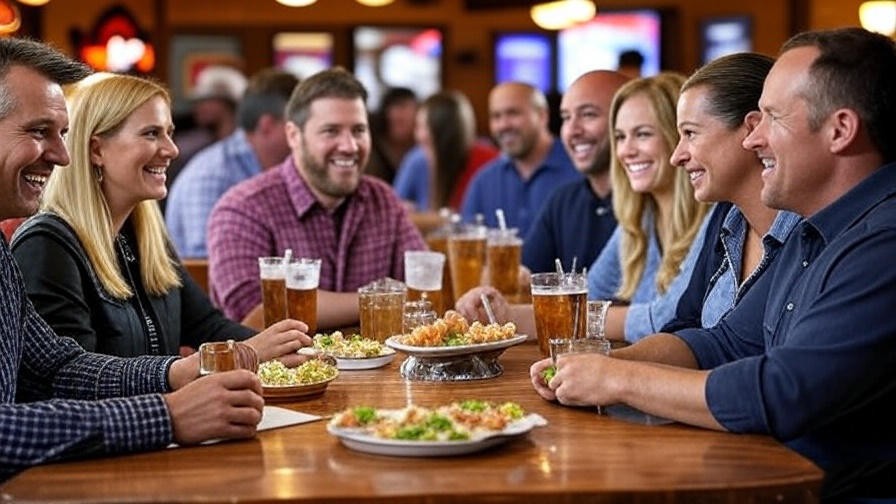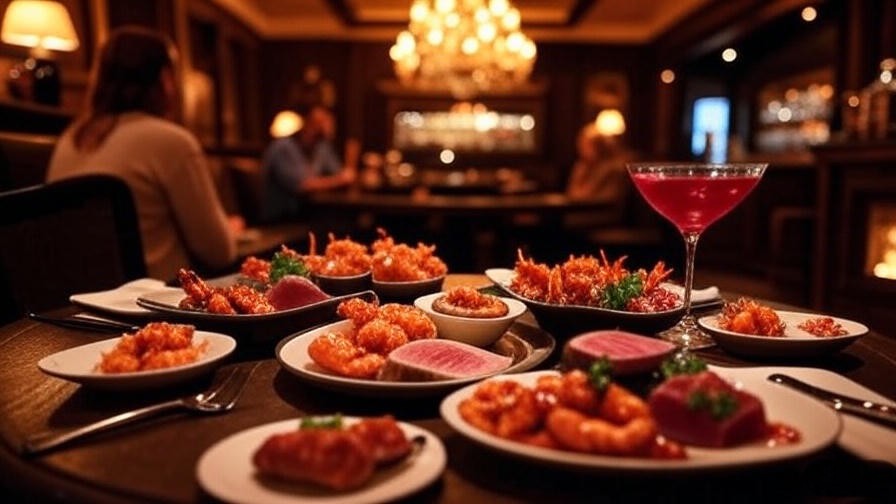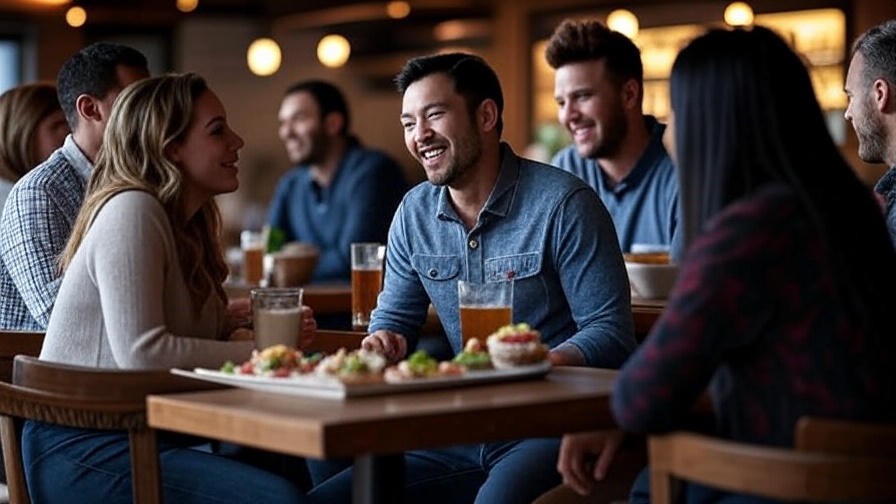
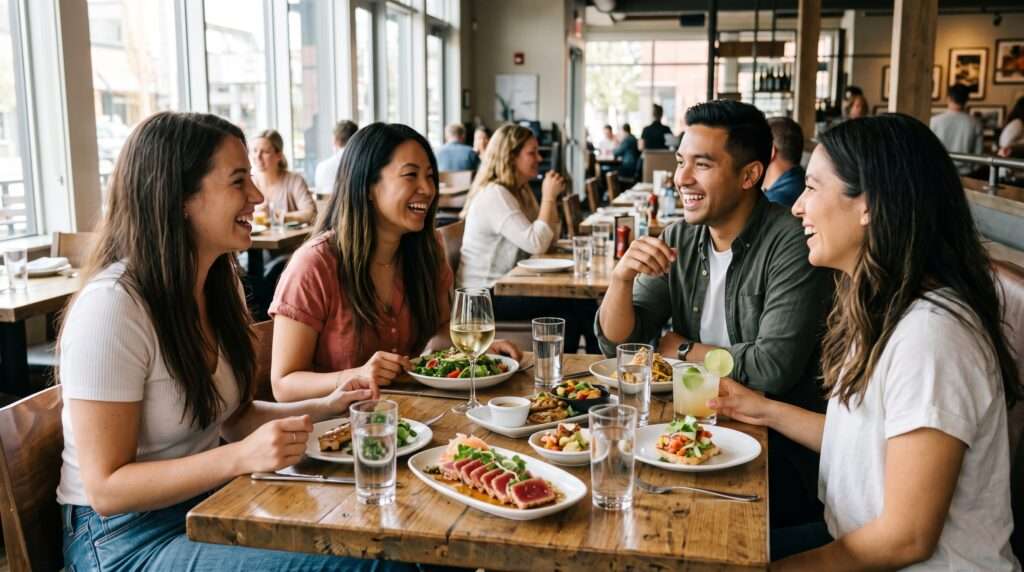
We’ve all been there. A friend texts you for a spontaneous catch-up after a long week, and suddenly you’re sitting in a vibrant booth, staring down a plate of warm Truffle Fries and a perfectly mixed Aperol Spritz at Earls happy hour. It feels like the ultimate social reset—until you wake up abruptly at 3:00 AM. Your heart is racing, you feel mildly dehydrated, and you spend the next three hours tossing and turning, watching your sleep tracker score plummet.
In the world of holistic well-being, we often talk about the importance of community and social connection. Social isolation is demonstrably harmful to our mental health and overall happiness. Yet, late-night eating, heavy comfort foods, and alcohol consumption are equally destructive to our sleep architecture, circadian rhythm, and morning energy levels. Do we have to choose between having an active, joyful social life and getting a restorative night of deep sleep?
Absolutely not.
By strategically navigating the timing of your outings and making mindful choices from the menu, you can enjoy a vibrant social life without sacrificing your holistic health. This comprehensive guide will break down how to hack your next social outing, offering a nutritionist-approved, sleep-safe ordering guide, the ideal times to visit, and the perfect post-outing wind-down routine to keep your mind and body in perfect balance.
Why the Timing of Earls Happy Hour is a Wellness Secret Weapon
When it comes to digestion, alcohol metabolism, and sleep quality, timing is everything. Our bodies operate on a strict 24-hour internal clock known as the circadian rhythm. When we introduce heavy digestive loads or alcohol into our system late at night, we force our bodies to work overtime when they should be transitioning into a restorative parasympathetic (rest-and-digest) state.
The 3:00 PM – 5:00 PM Sweet Spot
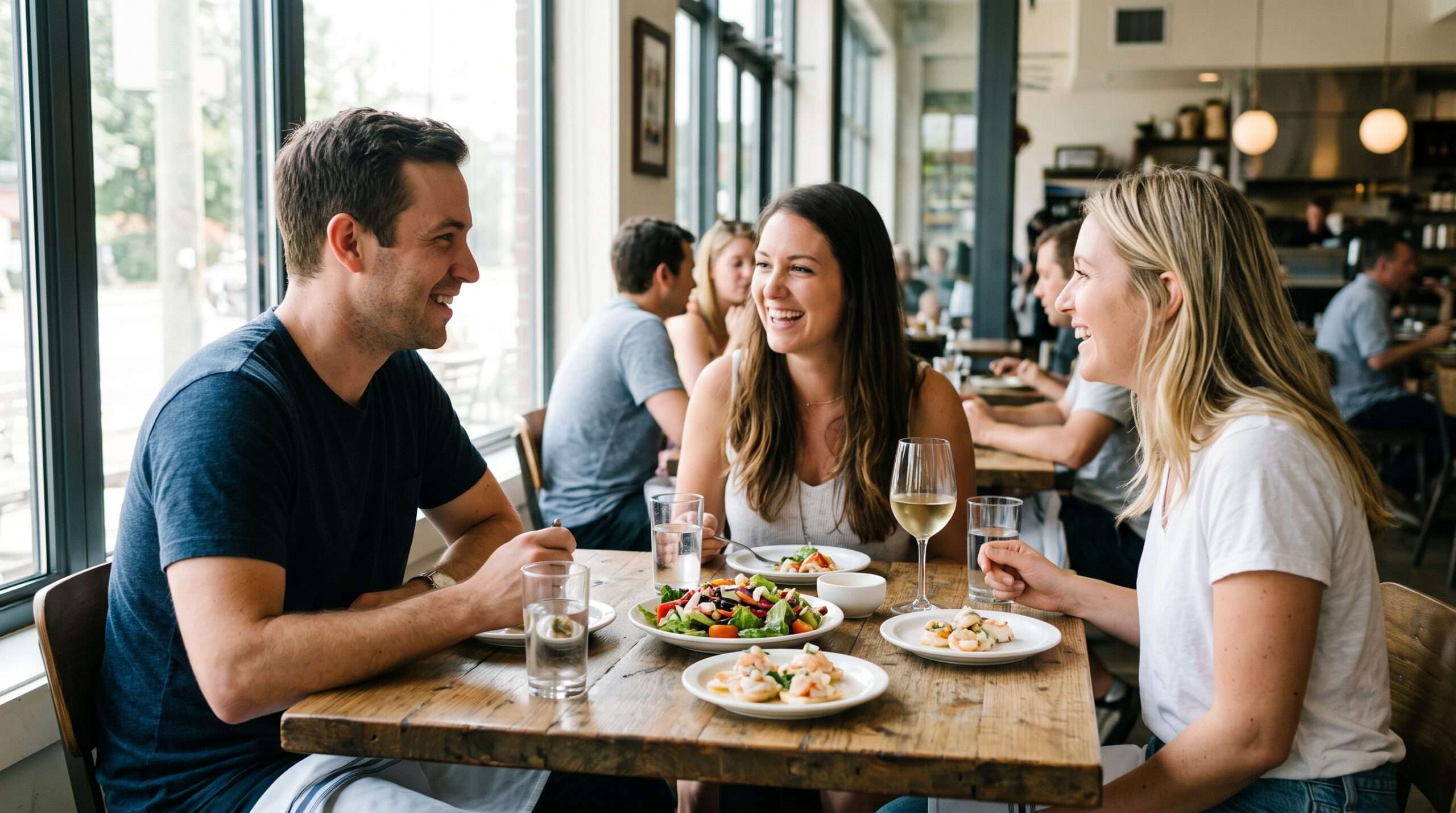
If you want to socialize without compromising your wellness routines, the afternoon happy hour (typically running from 3:00 PM to 5:00 PM) is your ultimate biological loophole.
Consuming alcohol and heavier, sodium-rich foods in the mid-afternoon gives your liver and digestive tract roughly six to eight hours to fully metabolize the intake before your head hits the pillow.
-
Liver Processing Time: The human body processes approximately one standard drink per hour. Starting at 3:00 PM means your blood alcohol concentration (BAC) can safely return to zero well before your 10:00 PM bedtime.
-
Core Body Temperature: Deep, restorative sleep requires your core body temperature to drop. Digestion—especially of high-fat foods and alcohol—has a thermogenic effect, raising your body heat. Afternoon socializing allows this temperature spike to resolve long before you need to sleep.
By shifting your social outings to the afternoon, you protect your REM (Rapid Eye Movement) and deep sleep cycles, waking up feeling refreshed and ready for your morning meditation or workout.
The 9:00 PM – Close Dilemma
The late-night happy hour (usually 9:00 PM to close) presents a significantly steeper challenge for your holistic health.
Eating a heavy meal or consuming alcohol right before bed triggers a cascade of sleep-disrupting physiological responses. First, lying flat with a full stomach often leads to silent acid reflux, which can cause micro-awakenings throughout the night even if you don’t feel traditional heartburn. Second, alcohol acts as a central nervous system depressant initially, which might help you fall asleep faster. However, as it metabolizes, it creates a “rebound effect,” leading to cortisol spikes, suppressed melatonin production, and a near-total block of restorative REM sleep in the second half of the night.
If you must attend a late-night social event, survival requires strategy—which we will cover in the late-night survival guide below.
The “Sleep-Safe” Menu Cheat Sheet
Holistic health is not about rigid restriction; it’s about making empowered, mindful choices. You don’t need to sit at the table with a glass of tap water while everyone else enjoys themselves. Instead, navigate the menu by focusing on lean proteins, omega-3s, and easily digestible plant-based options that stabilize your blood sugar rather than spiking it.
Top Bites for Sustained Energy and Easy Digestion
If your goal is to sleep deeply and wake up without brain fog, prioritize items that won’t overwhelm your gastrointestinal tract or cause severe insulin spikes.
-
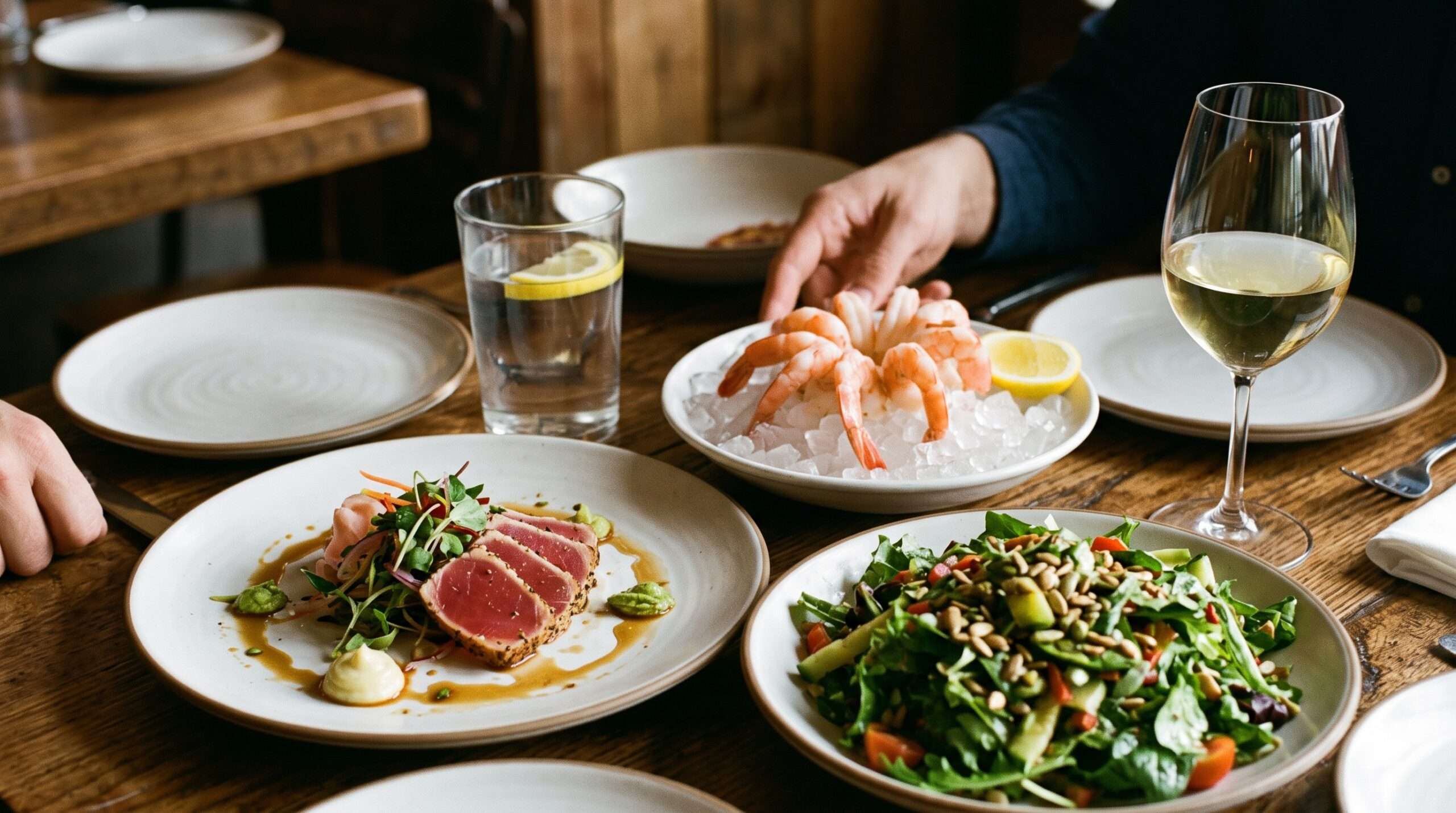
Seared Ahi Tuna Tataki: This is arguably one of the most wellness-friendly items on the menu. Tuna is rich in Omega-3 fatty acids, which have been linked to reduced inflammation and improved sleep quality. It’s light, protein-dense, and sits easily in the stomach.
-
Prawn Cocktail or Seafood Options: Lean seafood is excellent for late-afternoon or evening consumption. It provides the satiety of high-quality protein without the heavy saturated fats that slow down digestion.
-
Plant-Based and Tofu Options: Opting for a vegan or tofu-based dish (like a tofu lettuce wrap or a plant-based bowl) provides complex carbohydrates and fiber. Fiber slows the absorption of sugars, preventing the late-night blood sugar crashes that often cause nocturnal awakenings.
The “Split It” Category (Heavy Hitters)
Let’s be realistic: sometimes you just want the comfort food. The wildly popular menu items are heavily craveable, but they are also potent sleep disruptors if consumed in large quantities solo.
-
Truffle Fries & Dynamite Rolls: High in refined carbohydrates, sodium, and fats.
-
Margherita Pizza & Sliders: Heavy on dairy, gluten, and saturated fats.
The Mindful Strategy: Utilize the “Rule of Thirds.” If you want the Truffle Fries, order them for the table and commit to eating only one-third of a standard portion, filling the rest of your appetite with a lighter protein option. By sharing these heavy hitters, you satisfy your cravings, participate in the communal joy of sharing food, and drastically reduce the gastrointestinal load that would otherwise keep your digestive system working overtime at 2:00 AM.
Hidden Sleep Disruptors on the Menu
Sometimes, the foods that keep us awake aren’t the obvious culprits like heavy burgers. Be on the lookout for hidden sleep thieves:
-
Excessive Sodium: Foods heavily dressed in soy sauce, sriracha mayo, or hidden salts can cause dehydration. Dehydration dries out your nasal passages, leading to snoring, poor oxygenation, and disrupted sleep architecture.
-
Spicy Elements: Spicy foods contain capsaicin, which significantly raises your core body temperature and can trigger heartburn. If you are eating after 7:00 PM, ask for sauces and spicy elements on the side.
-
Hidden Sugars: Sweet glazes, candied nuts on salads, or heavily sweetened vinaigrettes can cause a sharp blood sugar spike followed by a crash, triggering the release of cortisol (the stress hormone) which wakes you up in the middle of the night.
How to Drink Mindfully at Earls
Navigating a cocktail menu requires as much mindfulness as selecting your food. Alcohol is deeply ingrained in our social rituals, but understanding how it interacts with your brain and body can help you make choices that support your holistic well-being.
The Science of Alcohol and Sleep Architecture
To drink mindfully, we must first understand what alcohol does to the sleeping brain. As a central nervous system depressant, alcohol enhances the effects of GABA, an inhibitory neurotransmitter, which is why it often makes you feel relaxed and drowsy initially. Many people mistakenly believe this means alcohol helps them sleep.
However, as your liver metabolizes the alcohol during the night, your body experiences a “rebound effect.” Glutamate, an excitatory neurotransmitter, surges. This causes micro-awakenings, fragmented sleep, and a significant suppression of REM (Rapid Eye Movement) sleep. REM is the stage of sleep essential for emotional processing, memory consolidation, and waking up feeling mentally sharp. Sacrificing REM sleep is what leads to the classic morning-after brain fog, heightened anxiety, and low mood.
Top Sips for the Mindful Socializer
When reviewing the drink tiers at Earls—from their signature Sangria to Local Draft Beers and House Wines—your primary goal should be minimizing sugar and avoiding caffeine.
-
The Clear Highball: A simple spirit (like vodka, gin, or tequila) mixed with soda water and a squeeze of fresh lime is the gold standard for mindful drinking. It contains zero added sugars and provides built-in hydration from the soda water.
-
Crisp White Wines: A glass of dry white wine or a light rosé tends to have lower residual sugar and fewer congeners (byproducts of alcohol fermentation that exacerbate hangovers) than heavy, tannic red wines or sweet cocktails.
-
The Danger of the Espresso Martini: While the Espresso Martini Tower is highly aesthetic and popular, it is the ultimate enemy of sleep. Combining alcohol (which fragments sleep) with a massive dose of late-day caffeine (which blocks adenosine, your brain’s sleep-pressure chemical) guarantees a night of insomnia. If you crave coffee flavors, order a decaf version if available, or skip it entirely in favor of an herbal tea later in the evening.
The “One-for-One” Hydration Strategy
The most effective, actionable habit you can build for social drinking is the “One-for-One” rule. For every alcoholic beverage you order, you must also order and finish a full glass of water.
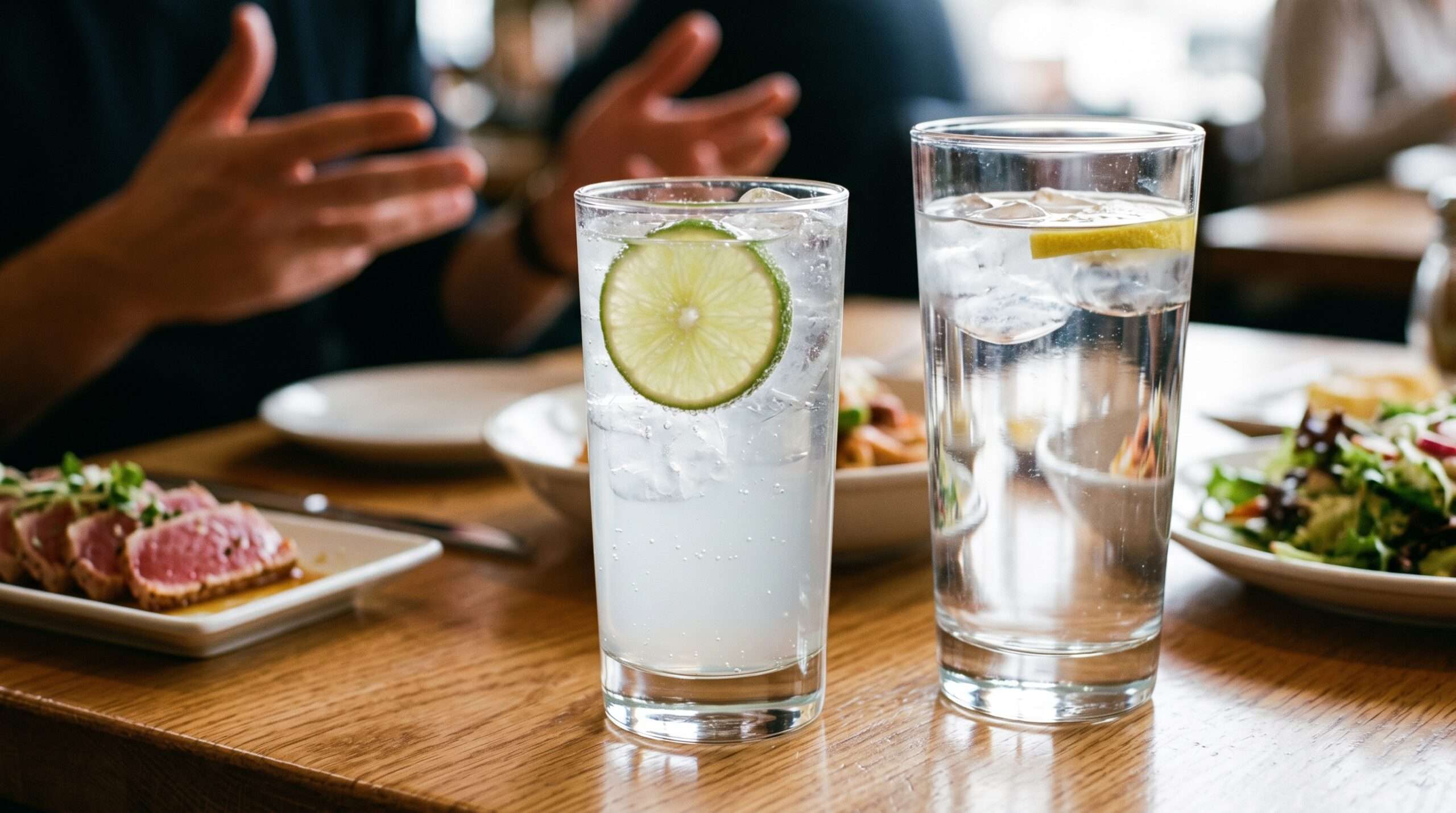
Alcohol is a diuretic, meaning it prompts your kidneys to release more water than you are taking in. Dehydration shrinks the brain slightly (which causes headache pain) and dries out the respiratory tract (increasing snoring and sleep apnea). By pacing yourself with water, you not only slow down your overall alcohol consumption but also support your liver’s ability to flush out toxins, drastically improving your chances of a restful night.
Navigating the 9 PM Happy Hour Without the Hangover
Life happens. Sometimes the only time you can meet friends is during the late-night window. If you find yourself heading out after 9:00 PM, you can still protect your sleep by employing this simple, three-step survival guide.
-
Tip 1: The Pre-Snack Strategy: Never arrive at a late-night social event ravenously hungry. If you haven’t eaten since 6:00 PM, the temptation to order heavy, fried comfort foods at 10:00 PM will be overwhelming. About 30 minutes before you leave, eat a small, fiber-rich and protein-dense snack at home—like a handful of almonds, a boiled egg, or some Greek yogurt. This stabilizes your ghrelin (hunger hormone) levels, allowing you to make rational, health-conscious menu choices when you arrive.
-
Tip 2: Stick Strictly to Plant-Based or Raw: At night, your digestive system slows down. If you eat late, stick exclusively to the lightest items on the menu. The Raw Bar (like Oysters) or a simple plant-based salad are ideal. They require minimal digestive effort, ensuring your core body temperature doesn’t spike from thermogenesis right as you are trying to fall asleep.
-
Tip 3: Set a Hard Cut-Off Alarm: Give your body a fighting chance to digest by setting a “last call” for yourself. If you plan to be asleep by midnight, commit to stopping all food and alcohol consumption by 10:00 PM. A two-hour buffer is the absolute minimum required to prevent acid reflux and allow your resting heart rate to begin lowering before bed.
Coming Home: Resetting Your Body for Deep Sleep
The moments after you get home from a social outing are critical. You have just subjected your body to a stimulating environment, loud music, rich foods, and potentially alcohol. You need an intentional wind-down routine to shift your nervous system from the sympathetic (fight-or-flight/stimulated) state back to the parasympathetic (rest-and-digest) state.
Hydration Protocol
Before you even take off your coat, head to the kitchen and pour a large glass of water. Better yet, add a high-quality, sugar-free electrolyte packet to replenish the sodium, magnesium, and potassium depleted by alcohol. Magnesium, in particular, is known as the “relaxation mineral” and can help calm your nervous system.
Temperature Regulation
Because digestion and alcohol both artificially raise your core body temperature, you need to aggressively cool your sleep environment. Turn your bedroom thermostat down to somewhere between 60°F and 67°F (15°C to 19°C). If you have a cooling mattress pad, turn it on. Taking a warm shower right before bed can also paradoxically cool you down; as the water evaporates off your skin, it draws heat away from your core, signaling to your brain that it’s time for sleep.
A 5-Minute Grounding Meditation

Your mind might still be racing with conversations from the evening. Get into bed, turn off all screens, and perform a quick 5-minute breathwork exercise. The 4-7-8 breathing technique is highly effective here:
-
Inhale quietly through your nose for 4 seconds.
-
Hold your breath for 7 seconds.
-
Exhale completely through your mouth, making a whoosh sound, for 8 seconds. Repeat this cycle four times. This specific rhythm acts as a natural tranquilizer for the nervous system, drastically reducing your heart rate and preparing your mind for deep, restorative sleep.
Quick Answers About Earls Happy Hour & Your Health (FAQs)
What are the standard Earls Happy Hour times? While it can vary slightly by location, the traditional afternoon window runs from 3:00 PM to 5:00 PM. The late-night window generally starts at 9:00 PM and goes until close. (Always check your local restaurant’s specific hours). For your sleep health, the 3:00 PM to 5:00 PM slot is vastly superior.
Are there healthy options on the menu? Yes. Look past the deep-fried comfort foods and focus on the raw bar, seafood options like the Seared Ahi Tuna, or the plant-based bowls. These offer high-quality protein and fiber without the heavy saturated fats that disrupt nighttime digestion.
Does eating late actually ruin your sleep? Scientifically, yes. Late-night eating forces your gastrointestinal tract to work when it should be resting, raising your core body temperature and heart rate. It also increases the likelihood of acid reflux, which causes micro-awakenings and prevents you from entering the deeper, most restorative stages of sleep.
Does Earls offer mocktails or non-alcoholic options? Absolutely. The mindful drinking movement has pushed most modern restaurants to offer sophisticated zero-proof options. Asking your server to create a low-sugar mocktail using fresh herbs, lime, and soda water is a brilliant way to participate in the ritual of a toast without the sleep-destroying effects of alcohol.
Conclusion: Balance is the Ultimate Wellness Goal
True holistic well-being isn’t found in rigid perfection or complete isolation; it is found in balance. You do not have to abandon the joy of gathering with friends to protect your wellness routines. By shifting your outings to the afternoon, making strategic choices from the menu, avoiding sugary drinks, and implementing a grounding post-outing meditation, you can fully enjoy the vibrant atmosphere of an evening out.
Your health is the sum of your daily habits, and with these strategies in your toolkit, mindful socializing becomes just another pillar of your well-being journey.