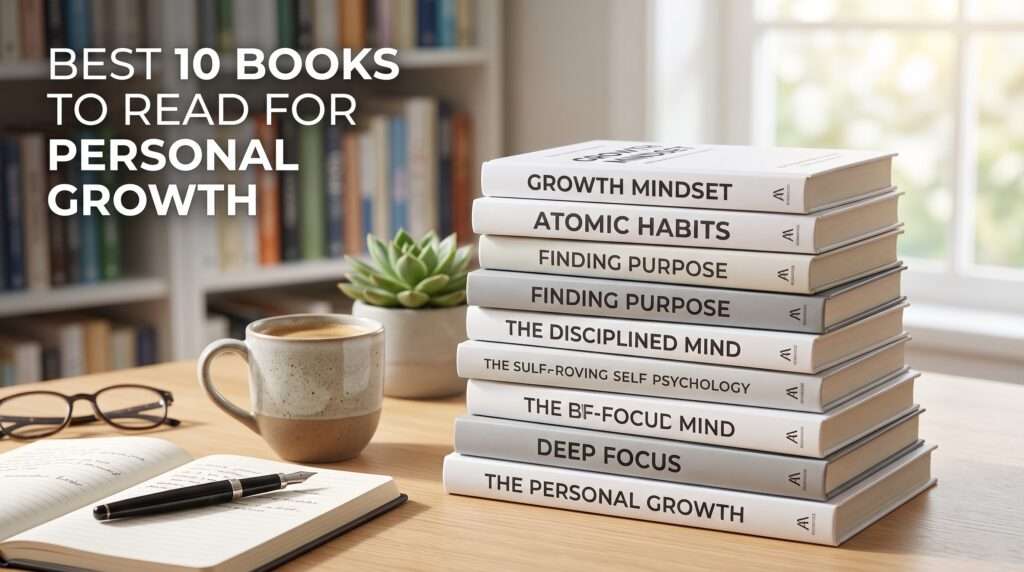
Have you ever finished a self-improvement book only to find yourself feeling just as overwhelmed, mentally fatigued, and stuck as before? In today’s hyper-connected world, we are constantly consuming information, yet genuine transformation often remains elusive. If you want to break out of this cycle of passive reading and start actively rewiring your mind for success and clarity, finding the right material is critical. That is why we have compiled the best 10 books to read for personal growth, ensuring you spend your time on resources that actually drive meaningful change.
The primary issue is that the self-help market is overwhelmingly flooded with repetitive “hustle culture” advice and empty platitudes. Motivation fades quickly if it isn’t anchored in how the human mind actually works. To create lasting behavioral shifts, readers need evidence-based strategies grounded in cognitive psychology, neuroscience, and holistic well-being. True growth isn’t about simply forcing yourself to work harder; it is about understanding your brain’s mechanics—how it processes reality, forms memories, and perceives time—and utilizing mindfulness alongside proven psychological frameworks to optimize those processes.
To save you from wasting hours on books that promise the world but deliver little substance, we did the heavy lifting. We analyzed top-rated bestsellers, evaluating them rigorously on their scientific backing, practical real-world application, and long-term reader sentiment. Whether you are looking to master your daily habits, calm your nervous system, or find a deeper sense of purpose, this definitive guide to the best 10 books to read for personal growth will provide you with the high-quality, authoritative insights you need to make an informed decision and take control of your development.
How We Chose the Best Books (Our Methodology)
To separate genuine, life-changing advice from fleeting trends, we applied a strict methodology modeled after top consumer review platforms. A book only made this list if it excelled in three critical areas:
-
Scientific & Psychological Rigor: We prioritized books that explain the brain mechanics and neuroscience behind why we think and act the way we do. We favor authors who are neuroscientists, psychologists, or rigorous researchers.
-
Actionable Frameworks: Theory is useless without execution. Every book selected provides a clear, implementable system—such as habit stacking, specific meditation techniques, or focus scheduling—rather than just abstract inspiration.
-
Reader Consensus & Real-World Results: We analyzed thousands of verified Amazon reviews and long-term sentiment to ensure these books consistently deliver real-world results across diverse reader demographics.
At a Glance: Top Picks Comparison
For optimal readability on mobile, this table highlights the core focus and consensus rating of our top picks.
| Book Title & Author | Core Focus Area | Amazon Rating |
| Atomic Habits by James Clear | Behavioral Psychology | |
| Thinking, Fast and Slow by Daniel Kahneman | Decision Making | |
| The Body Keeps the Score by Bessel van der Kolk | Trauma & Neuroscience | |
| Why We Sleep by Matthew Walker | Neurology & Biometrics | |
| The Power of Now by Eckhart Tolle | Holistic Well-being | |
| Deep Work by Cal Newport | Focus Mechanics | |
| Mindset by Carol S. Dweck | Growth Psychology | |
| The Untethered Soul by Michael A. Singer | Consciousness | |
| Man’s Search for Meaning by Viktor E. Frankl | Existential Resilience | |
| The Power of Habit by Charles Duhigg | Neurological Loops |
Want to dive deeper into the data? Use our interactive explorer below to filter these titles based on your current reading goals and available time.
In-Depth Reviews: The Best 10 Books to Read for Personal Growth
1. Atomic Habits by James Clear
Product Description:
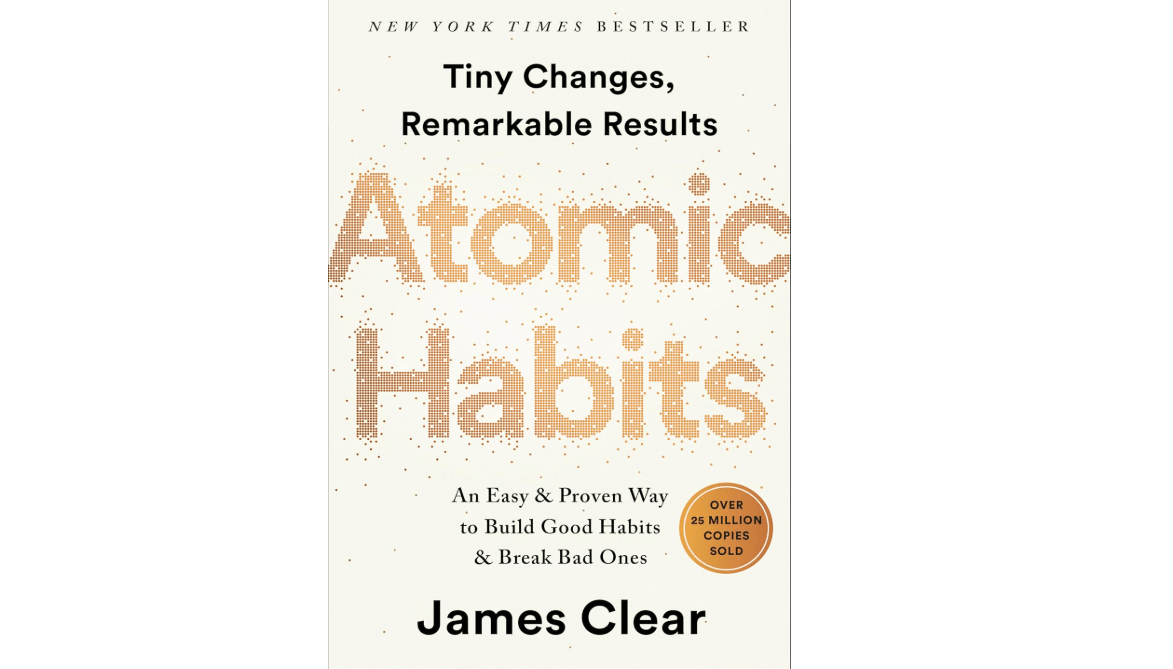
Atomic Habits is the definitive, science-backed manual for breaking bad behaviors and adopting good ones through tiny, incremental daily changes. James Clear argues that lasting behavior change is easier when you redesign your system and physical space rather than depending on raw willpower. By focusing on becoming “1% better each day,” this book provides a mathematical and neurological approach to reinventing your daily life.
-
Est. Price:
-
Key Features & Benefits: Introduces the “Four Laws of Behavior Change” (Make it Obvious, Attractive, Easy, and Satisfying). Teaches highly actionable frameworks like “habit stacking” and the “Two-Minute Rule” to reduce friction around good behaviors.
-
Pros & Cons:
-
Pros: Extremely actionable; deeply rooted in behavioral psychology; provides a step-by-step blueprint.
-
Cons: Can feel repetitive if you are already well-versed in basic behavioral science.
-
-
Amazon Ratings & Reviews: 4.8/5 stars (Over 100,000 ratings). Customer sentiment universally praises its practical, no-nonsense framework, frequently citing it as the most effective productivity book they have ever read.
-
Why it’s a good choice: It shifts the focus from setting massive, intimidating goals to building foolproof, daily systems.
-
Ideal Use Case: Anyone struggling with consistency, digital content creators needing a structured routine, or professionals wanting to optimize their daily workflow by understanding how the brain wires repetitive actions.
2. Thinking, Fast and Slow by Daniel Kahneman
Product Description:
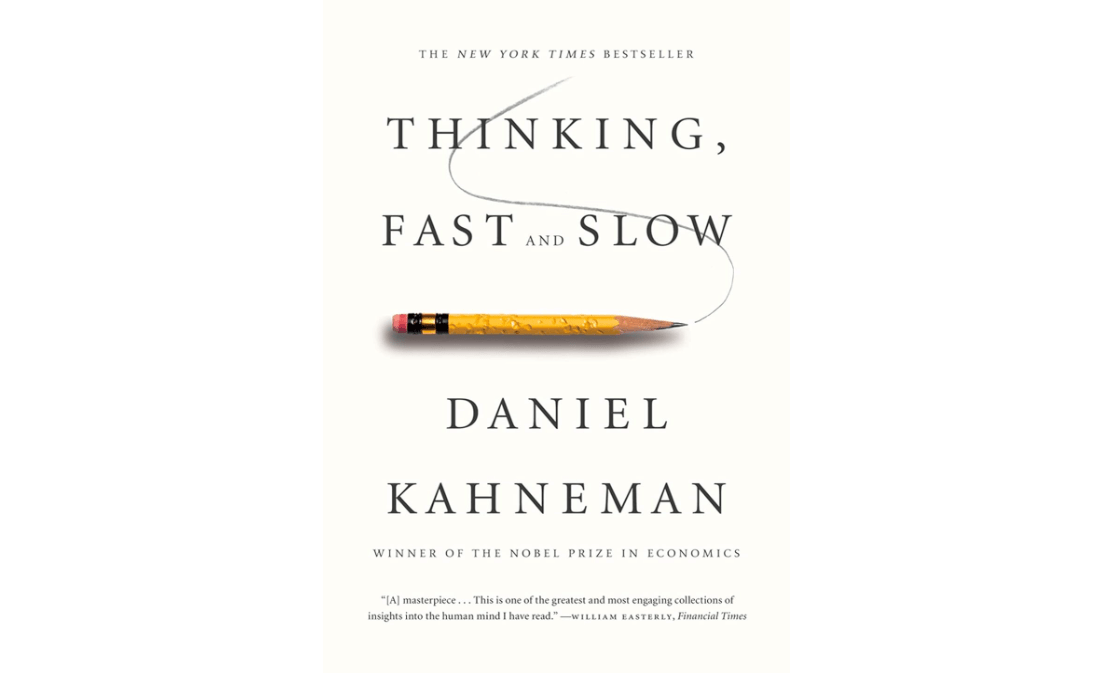
Written by Nobel laureate Daniel Kahneman, this profound book takes you on a deep dive into the dual cognitive systems that drive the way we think. System 1 is fast, intuitive, and emotional; System 2 is slower, more deliberative, and more logical. Kahneman exposes the extraordinary capabilities—and the fundamental flaws—of fast thinking, revealing the pervasive influence of cognitive biases on our everyday decisions.
-
Est. Price:
-
Key Features & Benefits: Explores complex heuristics, the illusion of validity, and the underlying psychology of how we perceive reality and assess risk.
-
Pros & Cons:
-
Pros: A literal masterclass in cognitive psychology; profoundly shifts how you view your own thoughts and judgments.
-
Cons: Dense, academic, and requires highly focused reading. Not a breezy weekend book.
-
-
Amazon Ratings & Reviews: 4.6/5 stars. Reviewers highlight its immense intellectual depth and paradigm-shifting nature, though many warn that it takes time to digest completely.
-
Why it’s a good choice: It is the foundational text for understanding why you make the choices you make, stripping away the illusion that humans are entirely rational creatures.
-
Ideal Use Case: Analytical readers, marketers, and leaders who want to map the mechanics of their own brain to make better, more rational decisions in high-stakes environments.
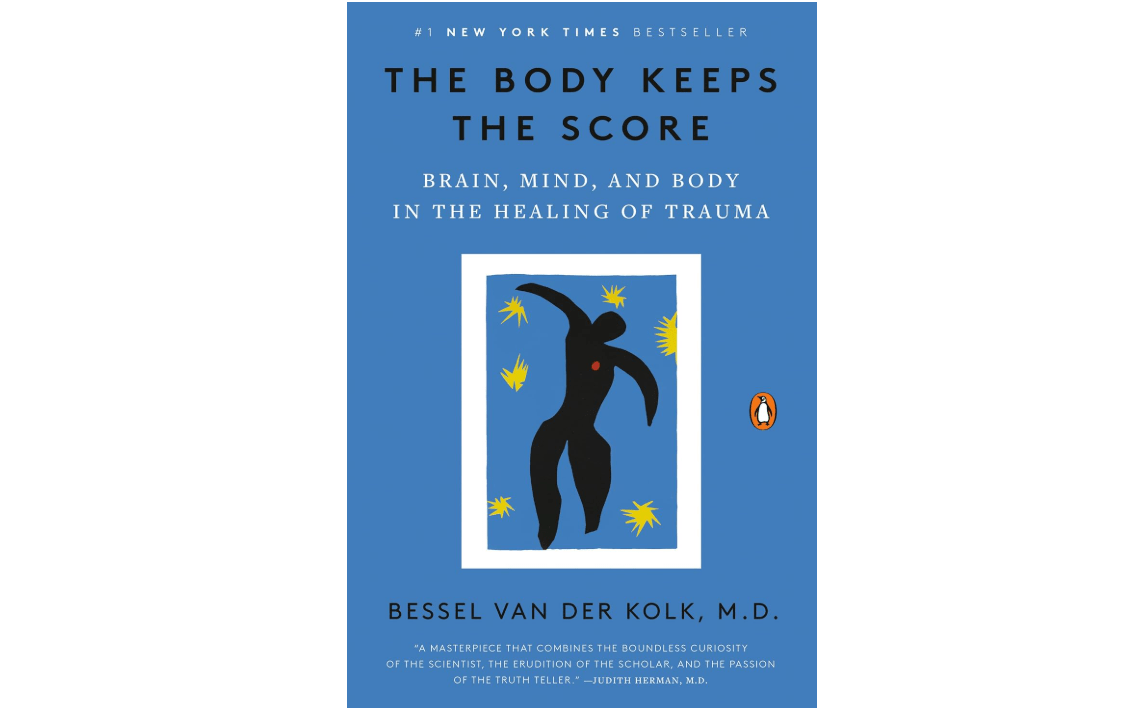
3. The Body Keeps the Score by Bessel van der Kolk
Product Description:
In this pioneering work, renowned psychiatrist Dr. Bessel van der Kolk explains how stress and trauma physically rewire the brain’s circuitry. Moving beyond traditional talk therapy, the book explores how traumatic experiences alter our biology, affecting everything from our capacity for pleasure to our basic threat-detection systems, and offers holistic paths to recovery.
-
Est. Price:
-
Key Features & Benefits: Integrates cutting-edge neuroscience with clinical psychology. Explores holistic well-being practices (like breathwork, neurofeedback, and yoga) as legitimate, scientifically validated methods to heal the nervous system.
-
Pros & Cons:
-
Pros: Groundbreaking neurological insights; highly empathetic and thoroughly researched.
-
Cons: Contains descriptions of clinical trauma that can be emotionally heavy and potentially triggering for some readers.
-
-
Amazon Ratings & Reviews: 4.8/5 stars. The overwhelming majority of readers call it life-changing and praise its rigorous scientific backing, though a minority of critics debate some of the specific case study perspectives.
-
Why it’s a good choice: It bridges the gap between mental health and physical biology, proving that you cannot heal the mind without also addressing the body.
-
Ideal Use Case: Those looking to understand the mind-body connection, individuals feeling chronically “stuck” in fight-or-flight mode, and anyone interested in how physical grounding techniques heal psychological hurdles.
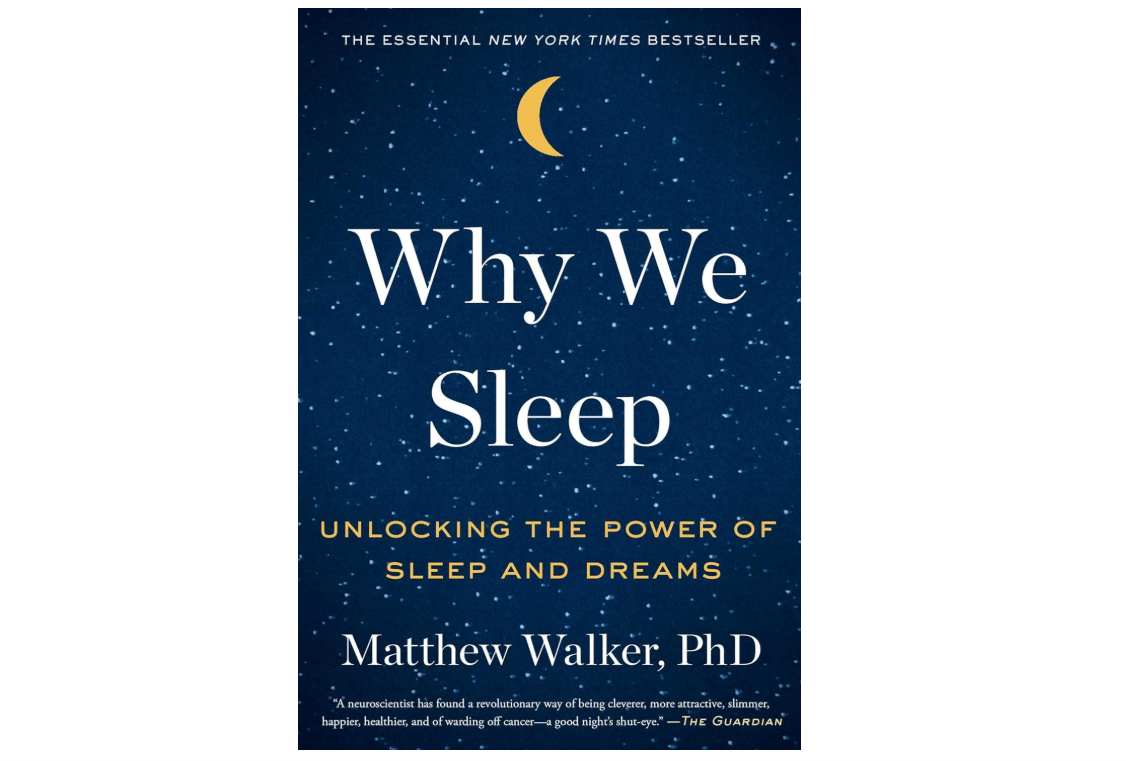
4. Why We Sleep by Matthew Walker
Product Description:
Neuroscientist and sleep expert Matthew Walker provides a revolutionary exploration of sleep, examining how it affects every single aspect of our physical and mental well-being. Charting cutting-edge scientific breakthroughs, Walker explains the profound impact of sleep on cognitive function, time perception, emotional regulation, and biological health.
-
Est. Price:
-
Key Features & Benefits: Explains the neuroscience of dreaming, memory consolidation during REM, and how sleep acts as the brain’s overnight cleaning cycle. Provides actionable steps to improve sleep hygiene.
-
Pros & Cons:
-
Pros: Completely data-driven; offers eye-opening, undeniable biological revelations.
-
Cons: The stark, alarming facts about the health risks of sleep deprivation can temporarily induce anxiety for chronic insomniacs.
-
-
Amazon Ratings & Reviews: 4.7/5 stars (Over 230,000 ratings on Goodreads/Amazon). Readers love the scientific validation of complex biology explained in an accessible, engaging format.
-
Why it’s a good choice: Personal growth is impossible if your brain is biologically starved. This book proves that sleep is the ultimate performance-enhancing habit.
-
Ideal Use Case: Bio-hackers, athletes, or anyone utilizing digital sleep trackers who wants to understand the raw biometric data and neuroscience behind their nightly recovery.
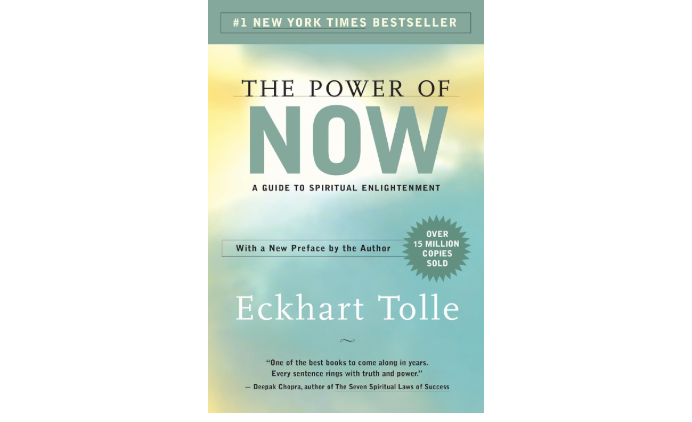
5. The Power of Now by Eckhart Tolle
Product Description: A cornerstone of modern holistic well-being, The Power of Now is a spiritual and mindfulness manifesto that teaches readers how to detach from the ego and live fully in the present moment. Tolle explores how our constant obsession with past regrets and future anxieties creates chronic mental suffering, offering a path to quiet the mind.
-
Est. Price:
-
Key Features & Benefits: Explores the concept of ego separation and the mechanics of thought observation. Provides foundational mindfulness meditation techniques to silence chronic overthinking and achieve internal stillness.
-
Pros & Cons:
-
Pros: Deeply transformative for anxiety reduction; provides immediate grounding techniques.
-
Cons: The concepts can feel somewhat abstract or overly esoteric for readers who prefer strictly analytical, data-driven science.
-
-
Amazon Ratings & Reviews: 4.7/5 stars (Over 130,000 ratings). Customer sentiment frequently highlights profound, instantaneous shifts in perspective and massive, sustained reductions in daily stress.
-
Why it’s a good choice: It acts as a mental circuit breaker, stopping the runaway train of anxious thoughts so you can focus on the reality of the present.
-
Ideal Use Case: Individuals feeling mentally exhausted, those actively pursuing holistic wellness, or anyone looking for actionable grounding methods to supplement their daily meditation practices.
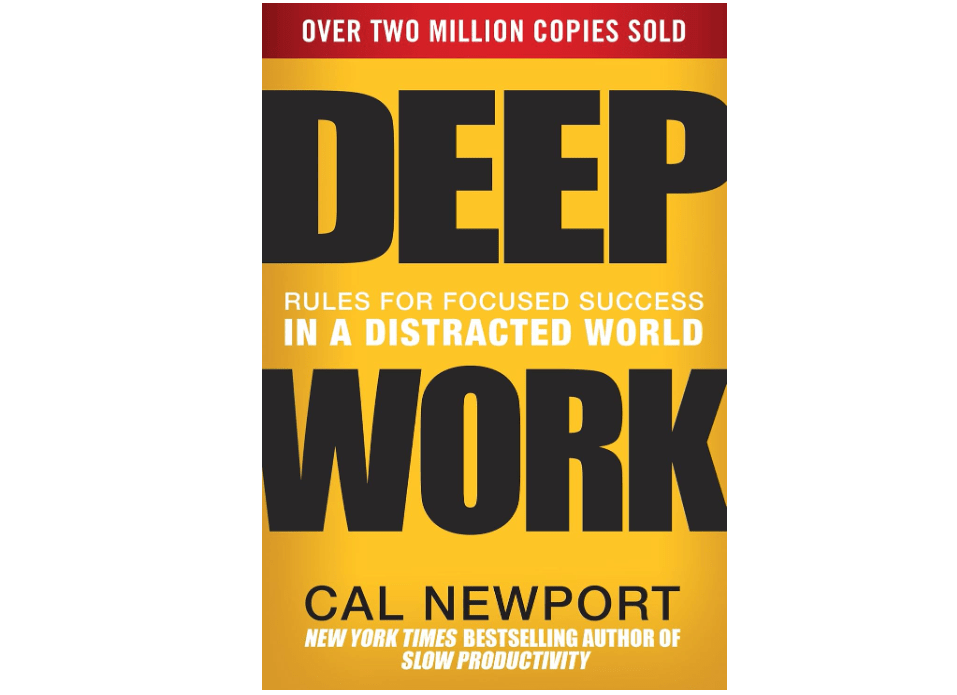
6. Deep Work by Cal Newport
Product Description: In an era dominated by notifications and multi-platform social media algorithms, Deep Work is a strategic guide to reclaiming your cognitive bandwidth. Computer science professor Cal Newport defines “deep work” as the ability to focus without distraction on a cognitively demanding task, arguing that this skill is becoming increasingly rare and simultaneously more valuable in the modern economy.
-
Est. Price:
-
Key Features & Benefits: Offers specific strategies for eliminating digital noise, structuring “deep work blocks,” and retraining the brain for prolonged, uninterrupted concentration to maximize cognitive output.
-
Pros & Cons:
-
Pros: Incredibly relevant for the digital age; provides practical, calendared scheduling frameworks rather than vague advice.
-
Cons: The strict guidelines (like quitting social media entirely) can be highly difficult to implement if your career relies on digital networking.
-
-
Amazon Ratings & Reviews: 4.6/5 stars. Reviewers highly value the stark wake-up call regarding digital distractions, praising the book as a necessary antidote to modern brain fog.
-
Why it’s a good choice: It provides the exact focus mechanics necessary to actually execute the ideas you learn from other personal development resources.
-
Ideal Use Case: Digital content creators, website owners, and marketers who need to consistently produce high-value, complex content (like skyscraper articles or multimedia campaigns) efficiently without facing digital burnout.
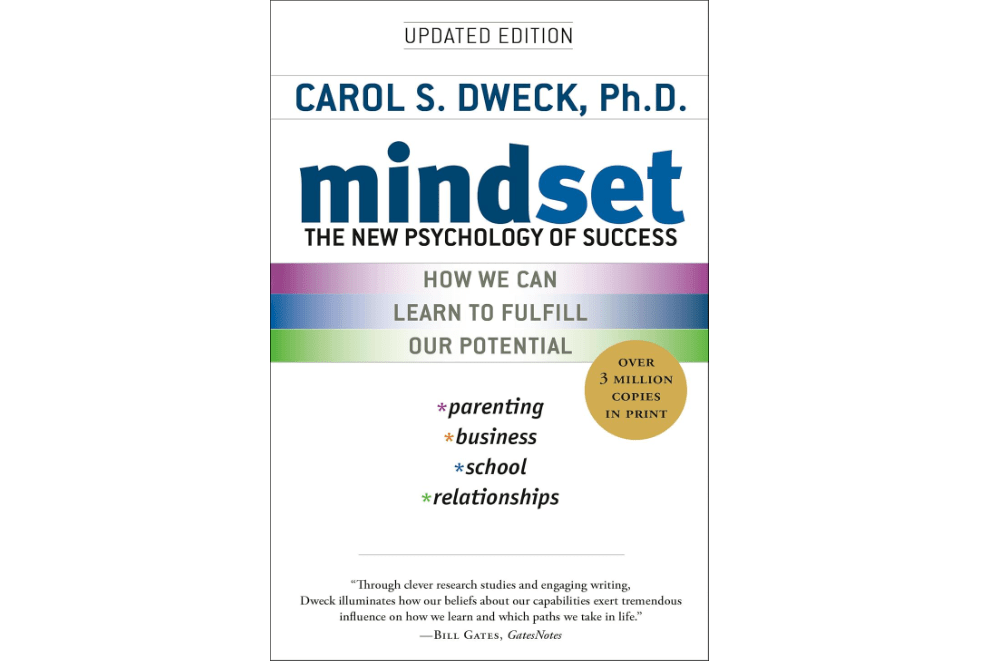
7. Mindset by Carol S. Dweck
Product Description: Based on decades of psychological research at Stanford University, Mindset introduces the world to the foundational concept of the “growth mindset” versus the “fixed mindset.” Dweck brilliantly demonstrates how our underlying beliefs about our own intelligence and capabilities directly dictate our success in business, relationships, and skill acquisition.
-
Est. Price:
-
Key Features & Benefits: Explores how praising effort rather than innate talent changes brain development. Offers methods to reframe failure not as a reflection of self-worth, but as a crucial neurological learning opportunity.
-
Pros & Cons:
-
Pros: Backed by rigorous, peer-reviewed psychological research; universally applicable to parenting, business, and personal goals.
-
Cons: The core thesis is straightforward and heavily repeated throughout the book’s varied case studies.
-
-
Amazon Ratings & Reviews: 4.6/5 stars. Sentiment calls it an essential paradigm shift, with many reviewers wishing they had been taught these psychological principles in grade school.
-
Why it’s a good choice: Before you can build new skills, you must neurologically believe that change is possible. This book installs that foundational belief system.
-
Ideal Use Case: Anyone facing a frustrating plateau in their career, content creation, or personal life who needs a psychological reset to view challenges as stepping stones.
8. The Untethered Soul by Michael A. Singer
Product Description: The Untethered Soul takes readers on an exploration of consciousness, helping them free themselves from the habitual thoughts and emotional patterns that limit their potential. Singer guides you through the process of observing the “voice in your head” rather than identifying with it, seamlessly blending cognitive awareness with accessible Eastern philosophy.

-
Est. Price:
-
Key Features & Benefits: Provides powerful tools for emotional regulation, letting go of past traumas, and achieving a state of inner peace by detaching your core identity from your fleeting thoughts.
-
Pros & Cons:
-
Pros: A highly accessible, conversational approach to complex inner workings; fantastic for managing the ego.
-
Cons: The phrasing and metaphors can feel repetitive to some readers by the final chapters.
-
-
Amazon Ratings & Reviews: 4.7/5 stars. Readers emphasize the calming effect of Singer’s prose and the immediate clarity it brings regarding the chaotic nature of spontaneous thoughts.
-
Why it’s a good choice: It bridges the gap between active psychology and passive spiritual acceptance, making holistic tranquility an achievable daily state.
-
Ideal Use Case: Those looking to quiet their inner critic, release pent-up emotional energy, and achieve a state of holistic well-being that isn’t dependent on external circumstances.
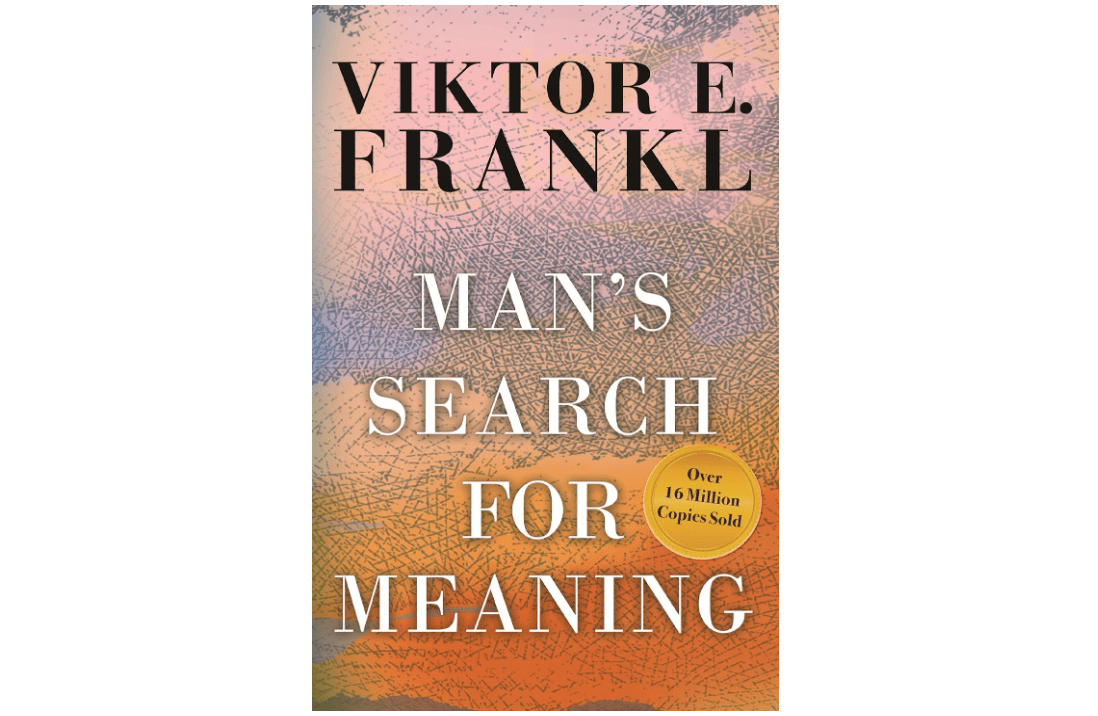
9. Man’s Search for Meaning by Viktor E. Frankl
Product Description: A profoundly moving and historically vital memoir, Man’s Search for Meaning details psychiatrist Viktor Frankl’s survival in Nazi death camps. Through this unimaginable horror, Frankl developed “logotherapy,” a psychological school of thought asserting that the primary human drive is not pleasure, but the pursuit of meaning and purpose.
-
Est. Price:
-
Key Features & Benefits: Explores existential resilience and how finding meaning in unavoidable suffering is essential for psychological survival.
-
Pros & Cons:
-
Pros: Deeply moving, historically significant, and mentally fortifying. A true literary masterpiece.
-
Cons: The first half contains raw, emotionally demanding subject matter regarding the Holocaust.
-
-
Amazon Ratings & Reviews: 4.8/5 stars (Over 90,000 ratings). Sentiment uniformly describes it as a mandatory, perspective-altering classic that forces readers to evaluate their own trivial complaints.
-
Why it’s a good choice: It proves that while you cannot always control what happens to you, you retain the ultimate neurological freedom to choose your response.
-
Ideal Use Case: Readers navigating difficult life transitions, severe burnout, or those seeking an unshakeable foundational purpose to anchor their daily work and existence.
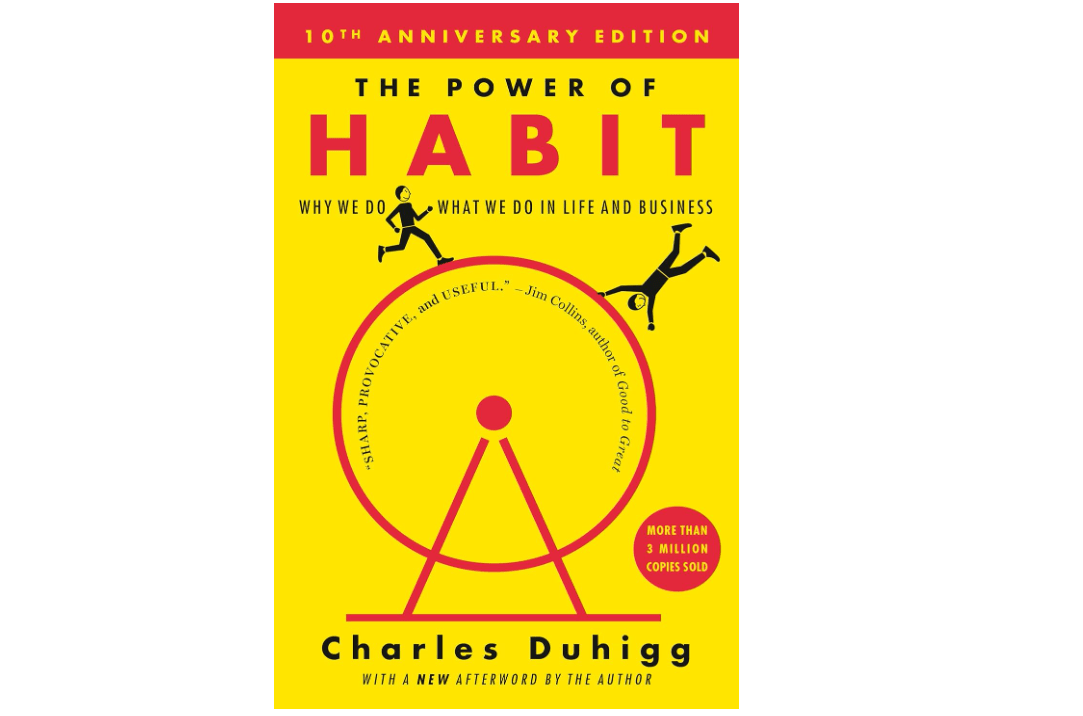
10. The Power of Habit by Charles Duhigg
Product Description: An investigative, journalistic look at the neurology of habit formation, The Power of Habit explores how habits work in individuals, companies, and entire societies. Duhigg translates complex neurobiology into thrilling narratives, explaining how the brain forms loops to save energy and how we can hack those loops to change our lives.
-
Est. Price:
-
Key Features & Benefits: Breaks down the fundamental neurological “habit loop” (Cue, Routine, Reward) using real-world case studies ranging from marketing campaigns to civil rights movements.
-
Pros & Cons:
-
Pros: Fascinating storytelling paired with easily digestible brain science; highly engaging.
-
Cons: Less of a direct, step-by-step “how-to” manual compared to Atomic Habits.
-
-
Amazon Ratings & Reviews: 4.6/5 stars. Customer reviews consistently praise the engaging, narrative-driven case studies that make the complex science of the basal ganglia stick in the reader’s memory.
-
Why it’s a good choice: It provides the scientific “why” behind human behavior, offering a macro-level understanding of how repetitive actions shape our reality.
-
Ideal Use Case: Marketers trying to understand consumer behavior, or individuals who want to understand the neurobiological roots of their actions before attempting to build their own optimization systems.
Buying Guide: How to Choose the Right Personal Growth Book
Choosing from the best 10 books to read for personal growth requires aligning the book’s core focus with your immediate life bottleneck. Here is how to make an informed buying decision:
-
Identify Your Current Bottleneck: Be brutally honest about what is holding you back. Are you struggling to execute tasks and maintain focus? (Choose Deep Work or Atomic Habits). Are you carrying emotional baggage that triggers anxiety? (Choose The Body Keeps the Score or The Untethered Soul).
-
Evaluate Your Biological Foundation: Personal development is nearly impossible if your brain is physically exhausted. If you lack physical energy, mental clarity, or emotional regulation, do not start with high-level productivity changes. Start with your biometrics and health by reading Why We Sleep.
-
Determine Your Learning Style: Do you prefer actionable, step-by-step systems designed for immediate execution (Atomic Habits), or do you prefer to understand the deep, theoretical science and cognitive psychology behind the action (Thinking, Fast and Slow)? Match the book to how your brain prefers to process information.
Final Verdict
True personal growth occurs at the intersection of knowledge and execution. While reading the best 10 books to read for personal growth will equip you with world-class insights into neuroscience, cognitive psychology, and behavioral design, the transformation only happens when you apply these frameworks to your daily life.
Your Next Step: Don’t let decision fatigue stall your progress. Review our top picks, click the links to check the current Amazon pricing, and choose just one book that targets your biggest current hurdle. Commit to reading just 10 pages a day—a small, frictionless habit—and begin actively rewiring your mind for the growth you deserve.