
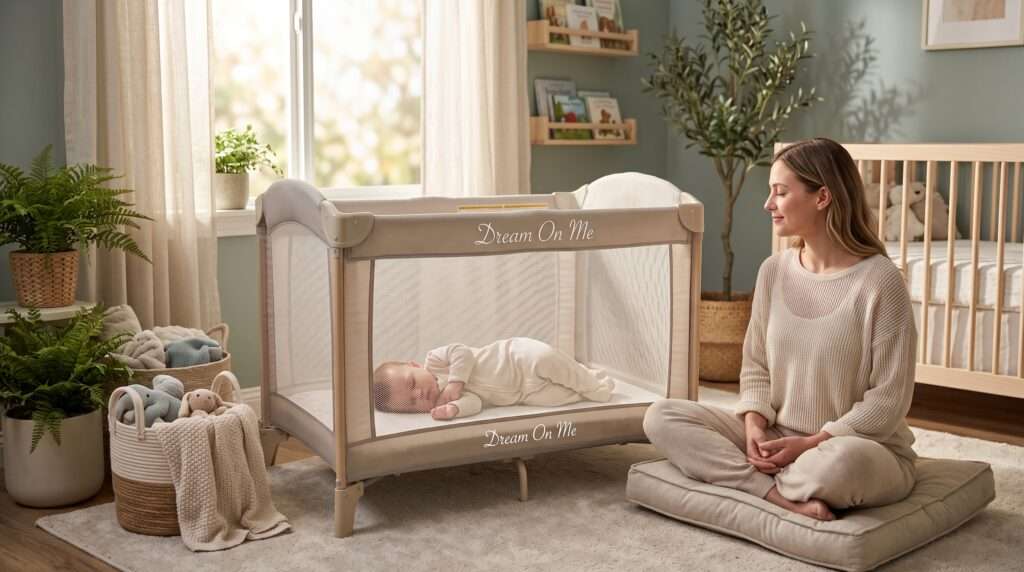
The exhaustion of early parenthood is a universal experience, but it does not have to be your permanent reality. Sleep is far more than a biological necessity; it is the cornerstone of emotional regulation, cognitive development, and holistic happiness for your entire family. When designing a restorative space that nurtures deep rest, the physical tools you select play a critical role. That is where the Dream On Me Pack N Play comes in—serving not just as standard baby gear, but as a reliable, secure foundation for a mindful sleep sanctuary.
We often view sleep simply as “downtime.” However, from a cognitive perspective, infant sleep is a highly active neurological period. It is the crucial time when the developing brain processes daily stimuli, calibrates emotional responses, and consolidates memory. Chaotic or inconsistent sleep spaces disrupt a baby’s natural circadian rhythm, elevating cortisol levels and leading to fragmented rest for both child and parent. Establishing a predictable, calming environment lowers this physiological stress response, paving the way for genuine holistic well-being.
The Science of Sleep Spaces
To understand why a dedicated sleep space is so effective, we must look at how the young brain interacts with its environment.
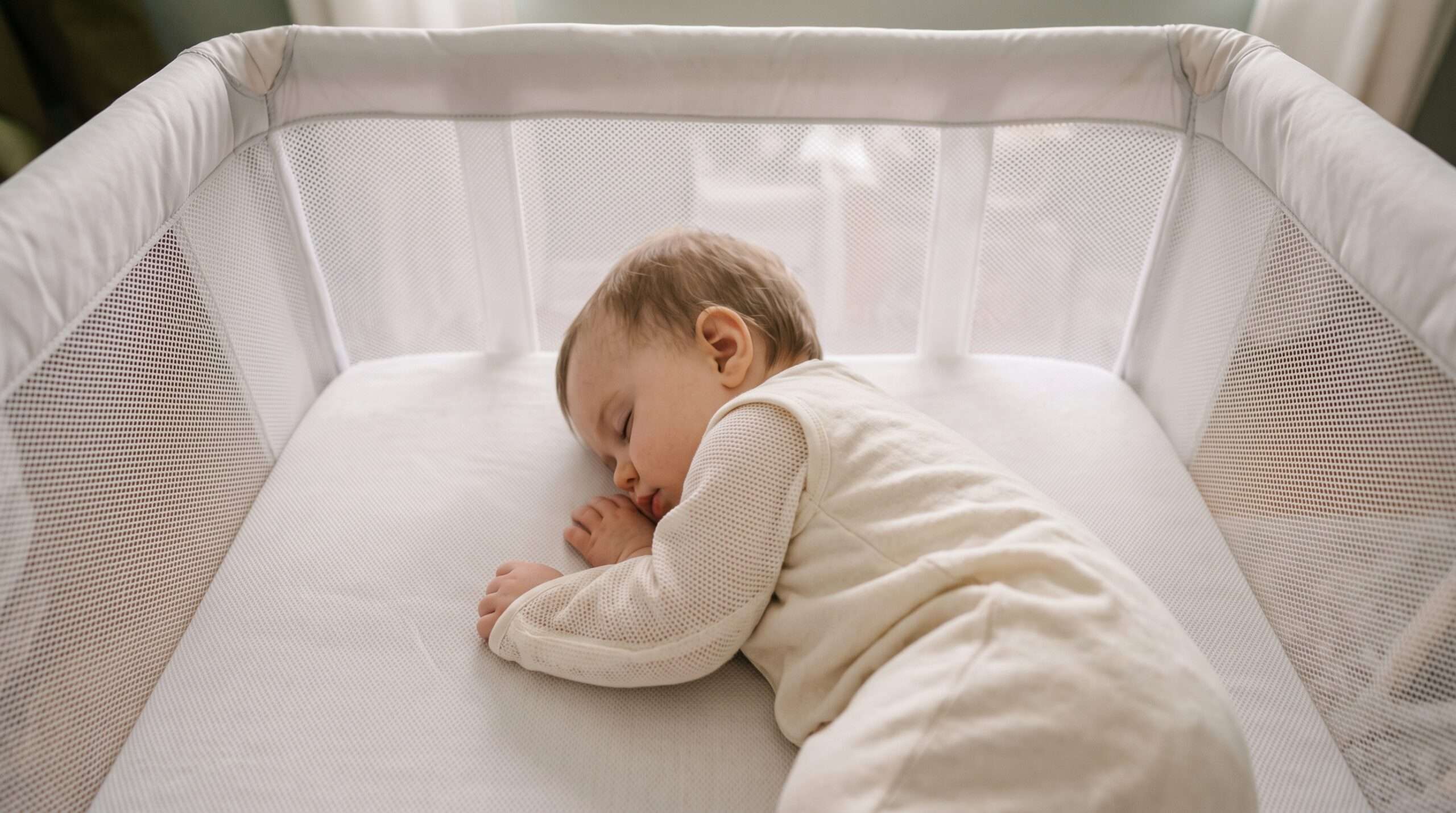
How Babies Process Environmental Stimuli
Infants are incredibly sensitive to their physical surroundings. Their nervous systems constantly absorb data from their environment, meaning that even subtle changes can quickly shift them from a state of deep rest into a state of high alertness.
-
Light Exposure: Bright or blue-toned lights inhibit the brain’s natural production of melatonin, the hormone responsible for signaling that it is time to sleep.
-
Auditory Inputs: Sudden, erratic household noises can easily trigger a baby’s startle reflex, pulling them out of restorative non-REM sleep.
-
Spatial Consistency: The familiar, physical boundaries of a secure playard offer subconscious proprioceptive feedback, signaling safety and promoting relaxation.
By controlling these variables, parents can actively support the delicate brain mechanics required for healthy infant sleep architecture.
The Role of Consistency in Sleep Associations
From a cognitive psychology perspective, consistency is the language through which we communicate with an infant’s developing brain. Babies do not possess an adult’s linear perception of time; they cannot look at a clock to know it is time to wind down. Instead, their internal clocks are entirely dependent on environmental cues and routine sequences.
When you place your child in the exact same physical space for naps and nighttime sleep, you are strengthening neural pathways associated with rest. The repetitive sensory input of the mattress, the specific scent of their sleep sack, and the visual boundaries of the playard act as a powerful neurological trigger. The brain recognizes this pattern, automatically down-regulating the nervous system and preparing the body for the transition from wakefulness to sleep.
Why the Dream On Me Pack N Play Fits a Mindful Lifestyle
Selecting baby gear often feels like a purely utilitarian task, but every item brought into your home influences its energetic and functional space. The Dream On Me Pack N Play aligns seamlessly with a holistic approach to parenting by addressing three core pillars: psychological security, physiological safety, and environmental consistency.
Safety First: Designing for Peace of Mind
Anxiety is contagious. Because infants are highly attuned to their primary caregivers, a parent’s stress can directly elevate a baby’s cortisol levels, making settling down nearly impossible. Investing in a sleep space that meets rigorous safety standards is not just about physical protection; it is a vital tool for parental mindfulness.
The structural integrity of this specific playard—featuring a sturdy frame, secure locking mechanisms, and a firm, flat mattress pad—eliminates the background hum of worry that often plagues new parents. When you know your child is in a secure, AAP-compliant sleep space, you can breathe easier. That grounded, calm energy transfers to your baby, creating a positive feedback loop of relaxation.
Breathability and Airflow
Holistic health is deeply rooted in optimizing the body’s natural functions, and oxygen flow is paramount during the restorative phases of infant sleep. The Dream On Me Pack N Play features full mesh sides, ensuring uninterrupted air circulation.
Proper ventilation achieves two critical things:
-
Carbon Dioxide Dispersion: It prevents the pooling of exhaled carbon dioxide around the baby’s face, significantly reducing the risk of rebreathing and supporting optimal brain health during REM sleep.
-
Thermoregulation: Infants are not fully capable of regulating their own body temperature. The breathable mesh allows excess heat to dissipate, preventing the baby from waking due to discomfort or overheating.
Portability: Maintaining the Sanctuary Anywhere
One of the greatest challenges to a baby’s sleep hygiene is travel. Whether visiting grandparents or going on vacation, a change in environment often shatters carefully established sleep routines. The portability of the Dream On Me Pack N Play allows you to take your child’s established sleep sanctuary with you. Because the sensory boundaries remain identical, the baby’s brain still receives the same neurological cues to rest, bridging the gap between a new location and their safe, familiar home environment.
Step-by-Step: Designing a Sleep Sanctuary Around Your Playard
A sleep space is more than just a bassinet; it is a carefully curated micro-environment. Here is how to optimize the space surrounding your Pack N Play for maximum holistic benefit.
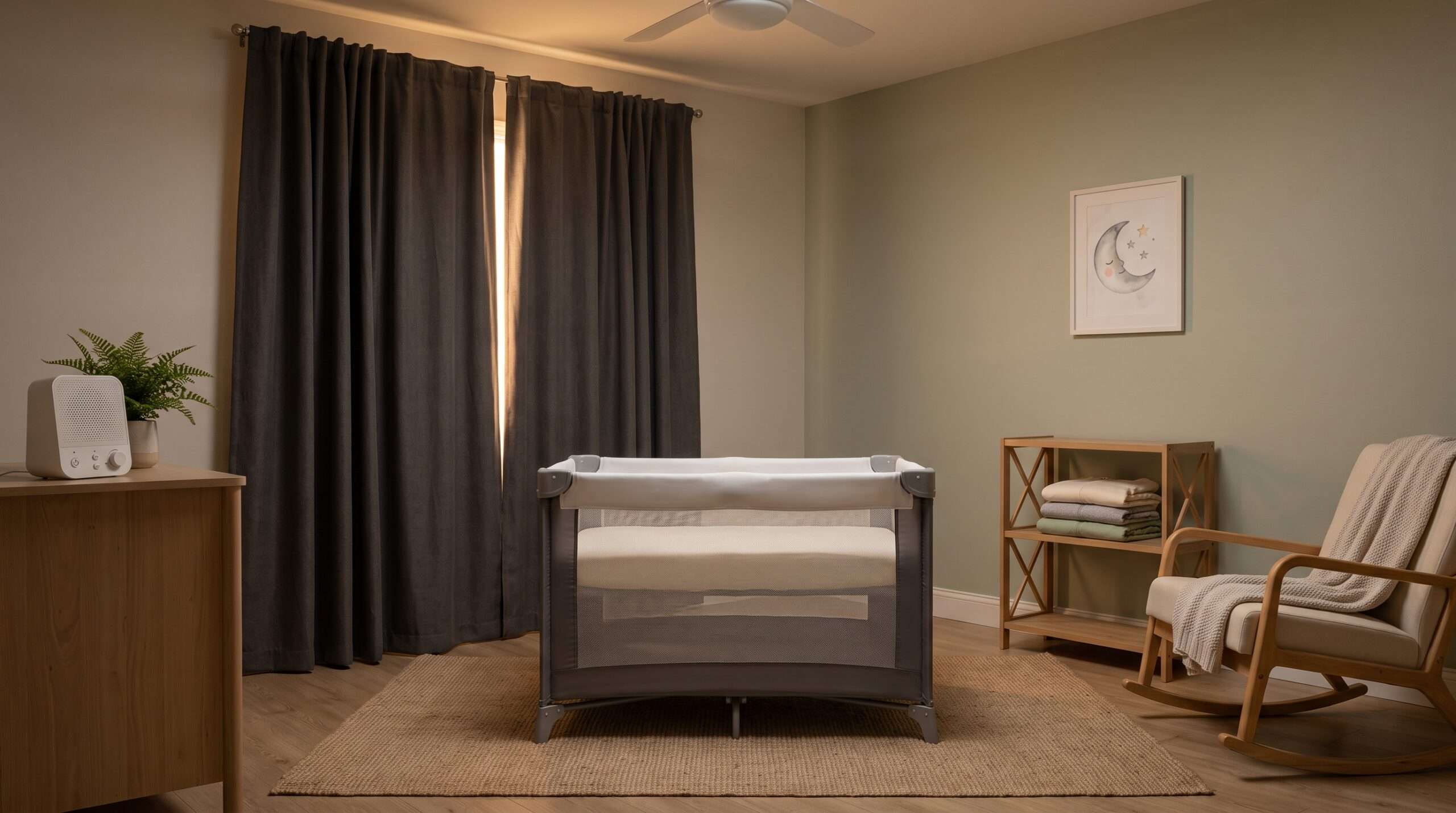
The Sensory Environment: Lighting and Sound
To support the delicate mechanics of the developing brain, you must curate the sensory inputs in the nursery.
-
Curated Lighting: Install blackout curtains to block irregular external light. For nighttime feedings or diaper changes, use only dim, amber-toned lighting. Amber light has the least impact on the body’s circadian rhythm and prevents the suppression of melatonin.
-
Constant-Frequency Sound: The silence of a modern house can actually be jarring to a baby who is used to the rhythmic, loud environment of the womb. Utilize continuous white, brown, or pink noise placed across the room from the playard. This masks disruptive household sounds and provides a constant, soothing acoustic baseline.
Temperature and Bedding Comfort
The physical comfort of the sleep space directly impacts sleep duration. Keep the room temperature consistently cool, ideally between 68°F and 72°F.
Adhere strictly to safe sleep guidelines: the Pack N Play should be free of any loose blankets, pillows, or stuffed animals. Instead, to keep your baby warm, utilize a high-quality, breathable organic cotton or bamboo sleep sack. These wearable blankets provide a gentle, comforting weight that mimics the feeling of being held without introducing safety hazards.
Spatial Energy and Minimalism
The visual energy of a room affects how we feel when we enter it. Keep the physical area immediately surrounding the Dream On Me Pack N Play free from visual clutter. Piles of laundry, bright, flashing electronic toys, or crowded shelves can serve as unwanted visual stimulants for a baby trying to wind down. Embrace a minimalist approach in the sleep zone to promote a sense of calm and spatial clarity.
Integrating Mindfulness into the Bedtime Routine
A beautifully optimized physical environment is only half of the sleep equation. The other half is the energetic transition from the stimulation of the day into the tranquility of the night. While the Dream On Me Pack N Play provides the physical vessel for rest, a mindful bedtime routine provides the psychological pathway to get there.
Parental Grounding Before the Routine
Infants are highly intuitive and co-regulate their nervous systems with their primary caregivers. If you approach bedtime feeling rushed, anxious, or frustrated, your baby will mirror that hyper-arousal, making sleep elusive. Before initiating the bedtime sequence, take one minute to ground yourself.
Employ a simple, structured breathing technique such as box breathing: inhale for four seconds, hold for four seconds, exhale for four seconds, and hold for four seconds. This deliberate practice signals your own autonomic nervous system to shift from the sympathetic (fight-or-flight) state to the parasympathetic (rest-and-digest) state. When you approach the Pack N Play with a truly calm brain and a lowered heart rate, your baby subconsciously perceives that safety and begins to down-regulate their own system in response.
The Wind-Down Transition
A holistic bedtime routine should be predictable, gentle, and sensory-soothing. Approximately 45 minutes before sleep, begin the transition:
-
Warm Water Immersion: A warm bath slightly elevates the body’s core temperature. The subsequent rapid cool-down once they step out of the bath naturally promotes drowsiness and mimics the body’s natural circadian temperature drop.
-
Mindful Touch: Follow the bath with a gentle infant massage. Using natural, baby-safe oils, massage helps stimulate the vagus nerve, reducing cortisol and increasing oxytocin (the bonding hormone).
-
Auditory Calming: Transition to dim lighting and engage in quiet activities, such as reading a familiar book or singing a soft lullaby.
-
The Final Placement: Lay your baby down in the Dream On Me Pack N Play while they are drowsy but still awake. This allows them to master the crucial cognitive skill of independent sleep initiation, utilizing the familiar bounds of the playard as their cue to drift off.
Common Pitfalls to Avoid for Better Baby Sleep
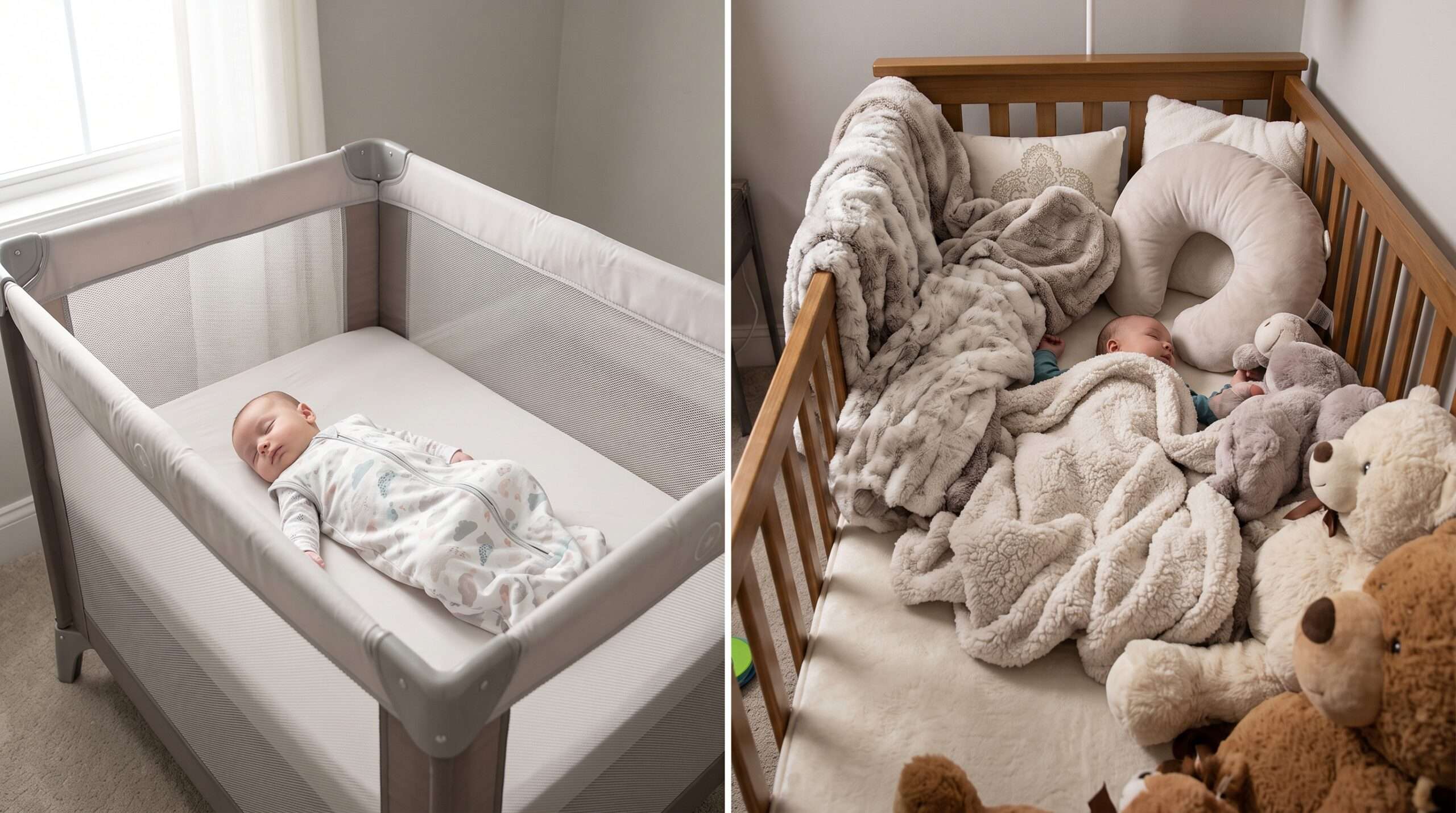
Even with the best intentions, parents can inadvertently introduce friction into the sleep environment. Avoid these common mistakes when setting up your sanctuary:
-
Adding Aftermarket Mattresses: The firm mattress pad that comes with the Dream On Me Pack N Play is specifically engineered to fit tightly into the corners of the playard, eliminating fatal entrapment hazards. Adding thick, plush aftermarket mattresses violates safe sleep guidelines and introduces significant risk. Firm surfaces are best for infant spinal support and safety.
-
Mixing Playtime with Sleep Time: To maintain a strong psychological association between the playard and rest, avoid using the Pack N Play as an active, stimulating playpen immediately before naptime. If the brain associates the space with bright toys and high energy, winding down will become a battle.
-
Inconsistent Placement: While portability is a massive benefit for travel, avoid moving the playard from room to room excessively while at home. Finding a dedicated, consistent corner in a quiet, temperature-controlled room reinforces the predictability that young brains crave.
Frequently Asked Questions (FAQs)
Is the Dream On Me Pack N Play safe for overnight sleep? Yes, when used according to the manufacturer’s instructions and the American Academy of Pediatrics (AAP) safe sleep guidelines, it provides a secure environment for both naps and overnight sleep. Ensure you are using the original, provided mattress pad and keeping the space free of loose bedding.
What are the weight and height limits for the bassinet feature? The full-size bassinet insert is typically designed for infants up to 15 pounds, or until the baby begins to push up on their hands and knees or roll over—whichever comes first. Always check your specific model’s manual, as guidelines can vary slightly.
Can I use standard crib sheets on this Pack N Play? No. Playards have different dimensions than standard cribs. You must use tight-fitting sheets specifically manufactured for the exact dimensions of your Dream On Me Pack N Play mattress pad to prevent the fabric from bunching up and creating a suffocation hazard.
How do I fold and unfold the playard without frustration? The locking mechanism relies on specific sequencing. When setting it up, always lock the four top side rails into place before pushing the center of the floor down. When packing it away, pull the center of the floor up first before attempting to unlock and collapse the side rails.
Embracing the Journey of Rest
Transforming your child’s sleep habits is rarely an overnight fix; it is a holistic journey of discovering what brings peace to your unique family dynamic. The Dream On Me Pack N Play is an exceptional, practical tool that provides the physical safety and consistency required for deep rest. Yet, the true magic lies in the mindful environment you build around it.
By understanding the cognitive mechanics of how your baby processes their surroundings, regulating your own nervous system before bedtime, and curating a calm, sensory-friendly room, you are doing more than just encouraging a good night’s sleep. You are laying the foundation for your child’s long-term emotional and physical well-being.