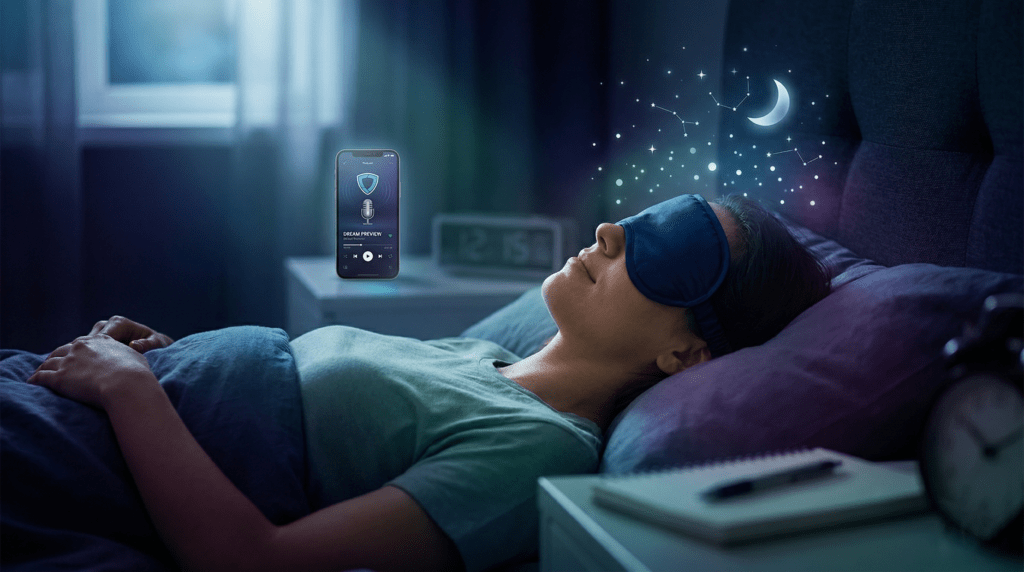
The glow of the smartphone screen illuminates a dark room. Your mind is racing, calculating spreads, anticipating injuries, and searching for that elusive closing line value. You’ve just finished absorbing the latest insights from the RJ Bell Dream Preview, fine-tuning your weekend picks, and mapping out your strategy. The thrill of the action is palpable. But as you finally turn off the lamp, you are hit with a harsh reality: your body is exhausted, but your brain is running a two-minute drill. Welcome to the Sunday Night Paradox.
For sports bettors and avid fans, the pursuit of an edge often comes at the direct expense of a fundamental human need: restorative sleep. The adrenaline-fueled ritual of late-night podcast listening, deep-dive statistical analysis, and the infamous “Sunday Night Sweats” creates a perfect storm for insomnia. This phenomenon gives rise to what sleep specialists and behavioral psychologists might call the “Betting Brain”—a state of acute hyper-arousal that actively sabotages the deep, non-REM sleep necessary for clear-headed decision-making the next day.
If you are treating your sports wagering as anything more than a casual hobby, you must treat your recovery with the same level of discipline. Elite athletes don’t perform on zero sleep, and neither do elite decision-makers. This comprehensive guide will show you how to merge the high-stakes analysis of sports betting with evidence-based, holistic sleep hygiene. By the time you finish reading, you will understand how to transition from the intense anticipation of the weekend’s action into a state of deep, restorative rest—becoming a “Mindful Bettor” whose sharpest edge is a well-rested mind.
The Science of the “Betting Brain”: Why Information Hits Different
To fix the sleep disruption caused by late-night sports analysis, we first need to understand the neurochemistry behind it. Listening to high-level handicapping isn’t like listening to a standard conversational podcast; it is a highly active cognitive process that hijacks your brain’s reward and stress pathways.
Dopamine, Cortisol, and the Anticipation Loop
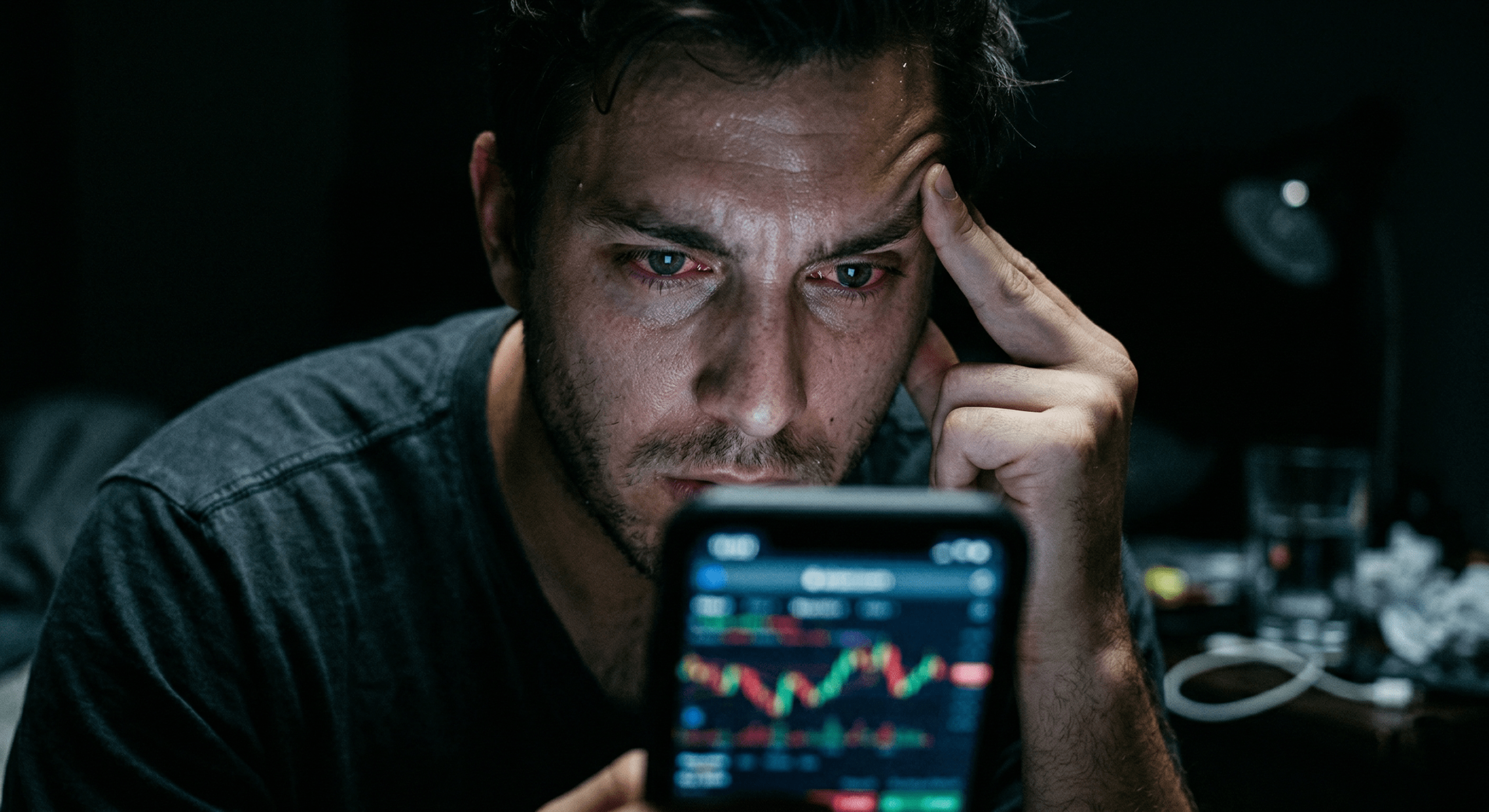
The “Preview” Effect and the Dopamine Trap Many people misunderstand dopamine, believing it is solely the chemical of “reward.” In reality, neuroscientists classify dopamine as the neurotransmitter of anticipation and motivation. When you are analyzing lines, listening to expert breakdowns, and locking in a wager, your brain is flooded with dopamine. You haven’t won the bet yet, but the mere possibility of a payout triggers a massive neurological spike. This anticipation loop keeps your eyes wide open, making your brain believe that crucial, survival-level events are unfolding right now.
The Stress Response: Cortisol vs. Melatonin Alongside the dopamine rush comes the stress hormone: cortisol. Putting money on the line—or even just mentally investing in a highly anticipated matchup—triggers the body’s sympathetic nervous system (the “fight or flight” response). Cortisol levels naturally rise when we feel challenged or excited.
Here is where the holistic problem begins: Cortisol is the direct biological antagonist to melatonin. Melatonin is the hormone responsible for regulating your circadian rhythm and signaling to your body that it is time to sleep. When your cortisol is artificially elevated at 11:00 PM because you are stressing over a half-point shift in the spread, your pineal gland halts melatonin production. Your brain chemically refuses to shut down.
The Circadian Disruption of the Screen Compounding the hormonal chaos is the way we consume this information. Staring at betting apps, odds screens, and sports forums emits high levels of blue light. This specific wavelength of light mimics daylight, further suppressing melatonin. When you combine blue light with the heavy cognitive load of sports analysis, you create a fragmented sleep architecture. Even if you manage to fall asleep, your time spent in restorative REM sleep will be severely diminished, leaving you foggy and irritable the next day.
Strategic Listening: Timing Your Intake for Peak Performance
Holistic well-being doesn’t mean you have to stop enjoying sports or analyzing picks. It means you must become intentional about when and how you consume that information. Timing is everything, both in betting and in sleep hygiene.
When to Listen: Establishing an “Information Sunset”
Just as nature has a sunset, your brain requires an “Information Sunset”—a hard deadline for when you stop consuming highly stimulating data.
Batching Your Analysis Instead of passively listening to podcasts or checking odds throughout the late evening, treat your handicapping like a dedicated professional endeavor. Create a specific “Betting Office Hour.” For example, dedicate 6:00 PM to 7:30 PM to listen to your preferred previews, cross-reference your data, and lock in your action. Once that window closes, the “office” is closed. This psychological boundary prevents your hobby from bleeding into your biological recovery time.
The Cognitive Load Factor Processing complex betting data right before bed is akin to eating a heavy, high-fat meal right before trying to sleep; your system is too busy digesting to rest. By moving your analytical heavy lifting to earlier in the evening, you allow your brain time to “digest” the information. The dopamine and cortisol spikes have time to subside, and your parasympathetic nervous system (the “rest and digest” network) has time to take over.
The “Pre-Sleep Playbook”: Unwinding After the Picks are In
Once your picks are locked, you need a proactive strategy to down-regulate your nervous system. You cannot abruptly shift from 100 mph to a dead stop. You need a transition phase.
3 Holistic Steps to Calm the Betting Brain
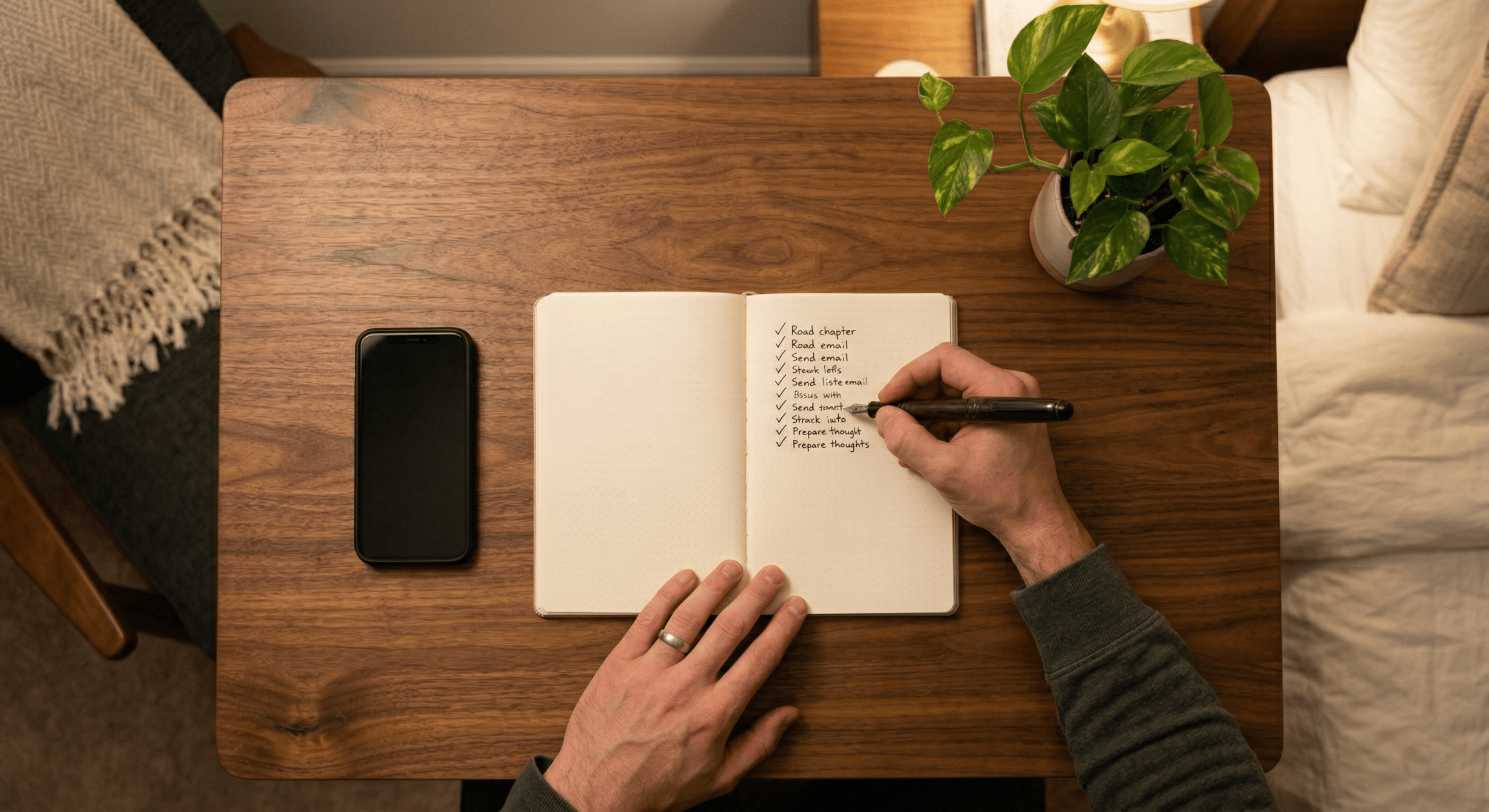
Step 1: The Digital De-escalation and the Physical Journal The first step is severing the connection to the digital world. Close the betting apps. To stop the mental loop of second-guessing your bets, utilize a physical journal. Write down your picks, your reasoning, and your unit sizing on a piece of paper. This simple tactile act serves as a “brain dump.” By transferring the data from your working memory to the physical page, you are giving your brain permission to stop holding onto the information. The bets are in; the math is done.
Step 2: Temperature Regulation (The Cold-Warm-Cold Method) When adrenaline and cortisol spike, your core body temperature naturally rises. To initiate sleep, your core body temperature actually needs to drop by about 1 to 2 degrees Fahrenheit. You can hack this biological requirement using the “Cold-Warm-Cold” method. Take a warm shower or bath 90 minutes before bed. The warm water brings blood to the surface of your skin. When you step out of the warm water into a cool bedroom, your body rapidly dumps heat, expediting the core temperature drop that signals your brain it is time for sleep.
Step 3: Targeted Supplementation to Dampen the “Noise” When your mind is racing with betting percentages and injury reports, standard sleep advice often feels insufficient. This is where targeted, holistic supplementation can assist in modulating your neurochemistry.
-
Magnesium Glycinate: Often called “nature’s relaxant,” magnesium plays a crucial role in regulating the body’s stress response. Specifically, the glycinate form is highly bioavailable and helps calm the central nervous system by supporting GABA levels—the neurotransmitter that tells your brain to “slow down.”
-
L-Theanine: Found naturally in green tea, this amino acid promotes relaxation without drowsiness. It is particularly effective at “taking the edge off” a caffeine-induced or adrenaline-fueled state, making it a favorite for those who may have had a late-afternoon coffee while poreing over the RJ Bell Dream Preview data.
-
Apigenin: Derived from chamomile, apigenin binds to specific receptors in the brain that may decrease anxiety and initiate sleep.
Disclaimer: Always consult with a healthcare professional before beginning any new supplement regimen, especially if you have underlying health conditions or are taking other medications.
The 4-7-8 Breathwork for “Sunday Night Sweats”
If you find yourself lying in bed and the “Sunday Night Sweats” kick in—that feeling of heat and heart palpitations as you think about a heavy position you’ve taken—you need a manual override for your nervous system. The 4-7-8 breathing technique, pioneered by Dr. Andrew Weil, is essentially a “hack” for your vagus nerve.
-
Inhale through your nose for 4 seconds.
-
Hold your breath for a count of 7 seconds.
-
Exhale forcefully through your mouth, making a “whoosh” sound for 8 seconds.
This specific cadence forces your heart rate to slow down and shifts your body from the sympathetic (stress) state to the parasympathetic (recovery) state. It is the quickest way to tell your brain that the “threat” of the game is not a physical danger, allowing you to drift off even when the stakes are high.
Designing a Sleep Sanctuary for the Serious Fan
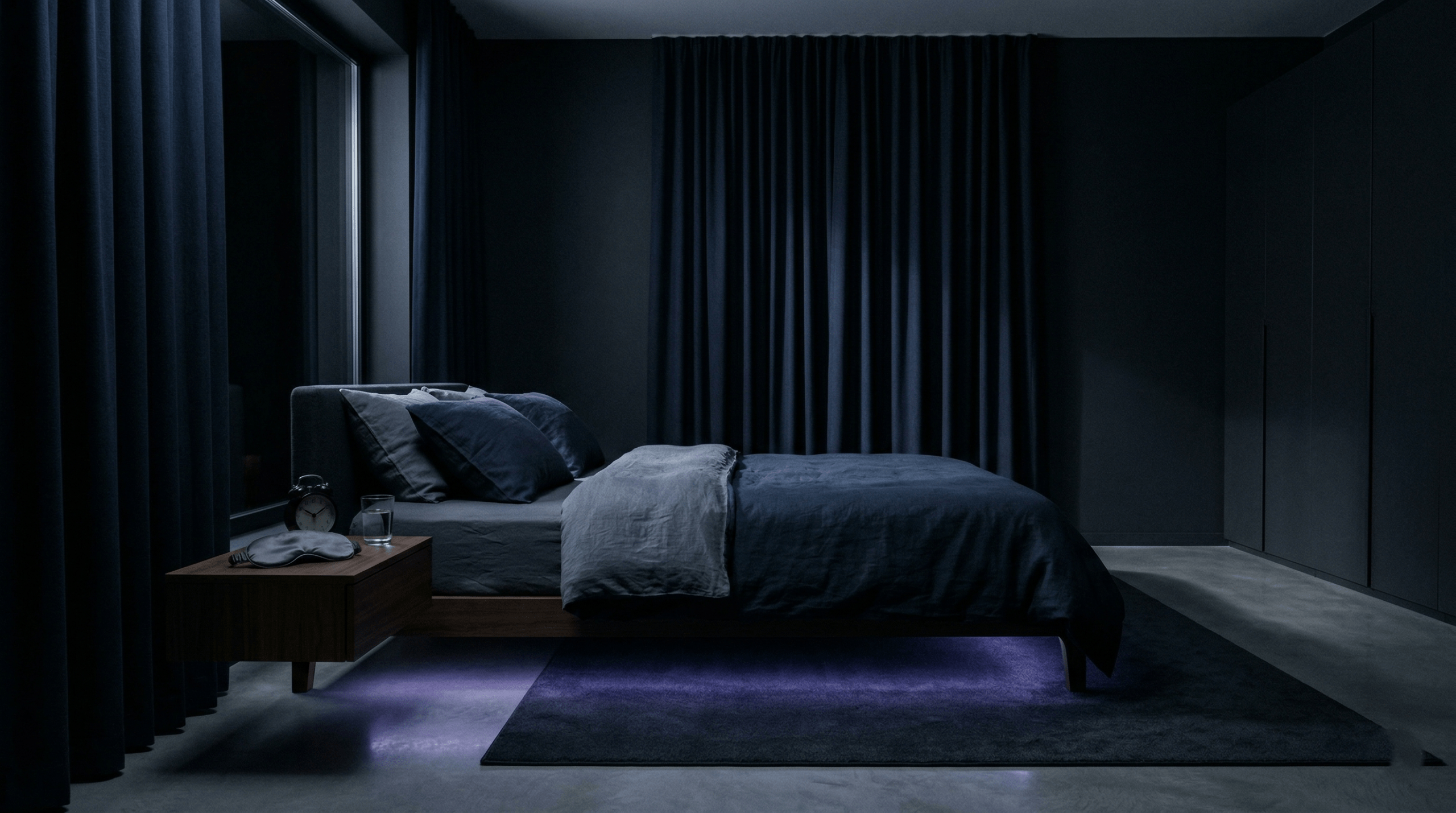
Optimization Beyond the Screen
Your physical environment acts as the “stadium” for your recovery. If your bedroom is cluttered with chargers, tablets, and light-emitting devices, you are signaling to your brain that it’s still “game time.”
The Dark Mode Lifestyle While “Dark Mode” on your phone helps, you need to apply that concept to your entire home. Sixty minutes before bed, dim the lights in your living space. This triggers the natural release of melatonin. Ensure your bedroom is as dark as possible—use blackout curtains or a high-quality eye mask. For the bettor whose mind is prone to visual stimulation (imagining plays or looking at charts), total darkness is non-negotiable to reset the visual cortex.
Audio Alternatives: Moving from Analysis to Ambience The high-energy, fast-paced delivery of sports analysis is designed to keep you engaged and alert. You cannot jump from that straight into silence without your brain filling the void with its own “internal radio.”
Instead of going cold turkey, use a bridge. Transition from the RJ Bell Dream Preview to “Pink Noise” or “Brown Noise.” Unlike White Noise, which can be harsh, Brown Noise has a deeper frequency that mimics the sound of a distant thunder or a low roar. Research suggests these lower frequencies are more effective at slowing down brain waves (shifting you from Beta waves to Theta and Delta waves), which are the signatures of deep sleep.
Long-Term Holistic Wellness for the Modern Bettor

Nutrition for Neurotransmitters
What you consume while watching the games or listening to previews directly dictates how your brain handles the eventual “come down.”
-
Avoid the “Sugar High” Betting: High-sugar snacks and simple carbohydrates cause insulin spikes followed by crashes. These crashes can lead to “irritable betting”—making impulsive wagers because your brain is low on glucose.
-
The Power of Omega-3s: A diet rich in Omega-3 fatty acids (found in walnuts, salmon, and chia seeds) supports brain plasticity. For someone processing a high volume of sports data, Omega-3s are essential for maintaining the cognitive “hardware” used for handicapping.
-
Hydration vs. Hype: Dehydration mimics the symptoms of anxiety (increased heart rate, brain fog). If you are drinking alcohol or excessive caffeine during the games, you are doubling the stress on your adrenal glands. Aim for a 1:1 ratio of water to any other beverage to keep your “analytical engine” cool.
Mindfulness and Detachment: The Stoic Bettor
The most successful people in high-stakes environments—whether it’s Wall Street or the professional gambling circuits of Las Vegas—possess a common trait: emotional detachment.
The “Stoic Bettor” Approach Stoicism teaches us to distinguish between what we can control and what we cannot. You can control your research, your unit sizing, and your sleep hygiene. You cannot control a missed field goal or a referee’s whistle.
Practice “Outcome Independence.” Once the bet is placed, the “work” is done. Adopting a meditation practice for just 10 minutes a day trains the “muscle” of detachment. When you can watch a game (or listen to a preview) without letting your pulse skyrocket, you are not just a better gambler; you are a healthier human being. This mental distance is the ultimate shield against the insomnia that plagues the average fan.
The High-Performance Connection
In the world of professional poker, “tilt” is the term used for when a player loses emotional control and starts making bad decisions. Top-tier pros now hire “performance coaches” who focus almost exclusively on sleep, diet, and meditation.
They understand a fundamental truth: Sleep is the ultimate Closing Line Value (CLV). If you make a decision at 11:00 PM on a Friday while sleep-deprived, you are likely missing nuances that a rested brain would catch. By prioritizing your “Dream State” over the “Dream Preview” late at night, you are actually giving yourself a mathematical advantage over the rest of the market. You are betting against people who are tired, impulsive, and emotionally volatile. Being the most rested person in the “market” is a legitimate edge.
Frequently Asked Questions (FAQ)
Q: Can I listen to the RJ Bell Dream Preview and still get 8 hours of sleep? A: Yes, but it requires “time-shifting.” Listen to the podcast during your commute or a midday workout. Avoid listening in the two hours before your intended bedtime to allow your dopamine levels to reset.
Q: Why does my brain keep calculating odds when I close my eyes? A: This is known as the “Tetris Effect.” When you spend hours focused on a specific task, your brain continues to process that pattern in its “default mode.” To break this, engage in a completely different mental task before bed, like reading fiction or practicing a gratitude list.
Q: What is the best way to handle “post-game” insomnia after a late Monday Night game? A: Use the “Cold-Warm-Cold” method immediately after the game and avoid checking the post-game social media vitriol. The “take” cycle on Twitter/X is a cortisol trap.
Q: Are there specific meditations for sports fans? A: While there are few “sports-specific” meditations, “Body Scan” meditations are excellent for bettors. They move your focus out of your “analytical” head and into your physical body, which is essential for grounding after a high-stakes day.
Conclusion: Winning the Mental Game
The world of sports betting is fast, loud, and incredibly stimulating. Insights from experts like those on the RJ Bell Dream Preview provide a valuable roadmap for the weekend’s action, but they shouldn’t cost you your health.
By viewing your Sunday night routine as a “performance window” that requires both elite analysis and elite recovery, you position yourself above the average fan. Holistic wellness isn’t a distraction from the “action”—it is the foundation that allows you to enjoy the action without burning out.
The best bet you will make this weekend isn’t on a point spread or an over/under. It’s the bet you make on your own recovery. Sleep well, stay mindful, and may your closing line value always be in your favor.