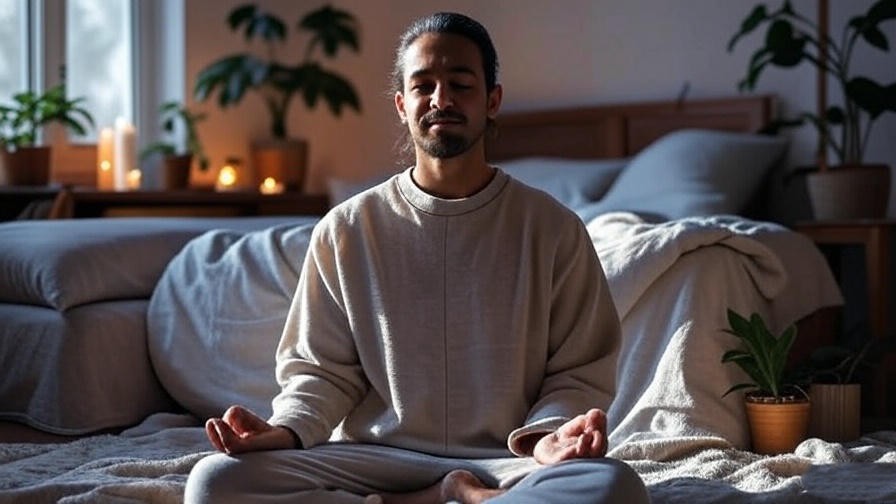
Picture this: It is the end of a relentless day. Your mind is racing with tomorrow’s to-do list, your shoulders are tight, and a profound sense of physical and mental exhaustion has set in. Most of us carry this tension directly into bed, staring at the ceiling, wondering why sleep remains so elusive. The secret to breaking this cycle of nocturnal stress isn’t found in a pill or endless scrolling; it is found at the foundation of your body. Cultivating a happy feet foot spa routine right in your own home is one of the most effective, biologically grounded methods for signaling to your nervous system that the day is over.
When we experience chronic stress, our cortisol levels remain artificially high, preventing the brain from transitioning into the deep, restorative stages of sleep we desperately need for cognitive repair and emotional regulation. We treat our minds and bodies as if they are separate, yet poor circulation and physical tension in our lower extremities directly impact our brainwaves.
This is not just about pampering. The transition from a chaotic day to a calm brain requires a bridge. Combining targeted thermoregulation, the transdermal absorption of minerals, and the subtle power of aromatherapy, a DIY foot soak serves as a holistic intervention for sleep preparation.
In this comprehensive guide, we will explore the fascinating science of the soak, breakdown the exact ingredients you need to curate an at-home sanctuary, and provide a step-by-step ritual that merges reflexology with mindfulness to guarantee your best night of sleep yet.
The Science of the Soak: Why Your Brain Loves a Foot Spa
To understand why a foot bath is such a powerful tool for sleep hygiene, we must look beyond the surface-level relaxation and examine the physiological mechanisms at play.

Thermoregulation and Sleep Onset
Sleep scientists have long studied the “warm bath effect.” Your body’s core temperature operates on a circadian rhythm, naturally dipping in the evening. This drop in core temperature is the biological trigger that tells your pineal gland to begin producing melatonin, the sleep hormone.
When you immerse your feet in warm water, it causes vasodilation—the widening of blood vessels in your extremities. This process rapidly draws heat away from your core and pushes it out toward your feet and hands. By artificially accelerating this core temperature drop, a warm foot soak biohacks your circadian rhythm, dramatically reducing sleep onset latency (the time it takes to fall asleep).
The Vagus Nerve & Reflexology Connection
Your feet are biomechanical marvels, containing over 7,000 nerve endings each. Many of these pathways communicate directly with the vagus nerve, the superhighway of the parasympathetic nervous system.
When we are stressed, our sympathetic nervous system (fight-or-flight) dominates. Gently stimulating the feet through warm water, massage, and targeted pressure shifts the autonomic nervous system into parasympathetic dominance (rest-and-digest). This immediate shift lowers the heart rate, slows the breath, and quiets the hyperarousal of the mind.
Magnesium Absorption for Muscle Relaxation
The inclusion of high-quality bath salts transforms plain water into a therapeutic treatment. Epsom salt is not actually salt; it is a naturally occurring pure mineral compound of magnesium and sulfate.
Magnesium plays a critical role in over 300 enzymatic reactions in the body, including the regulation of neurotransmitters that induce sleep. Specifically, magnesium binds to gamma-aminobutyric acid (GABA) receptors in the brain. GABA is an inhibitory neurotransmitter that calms nervous activity. While the debate on the exact efficacy of transdermal (through the skin) absorption continues, clinical observations strongly support that soaking in a magnesium-rich solution helps relax tight muscles, ease restless leg syndrome, and foster a profound sense of physical calm.
Essential Elements: Curating Your At-Home Foot Spa
Creating a skyscraper-level wellness experience at home requires the right toolkit. By carefully selecting your base elements, you can customize your soak to target specific physical and emotional needs.
The Base: Salts and Minerals
Choosing the right base dictates the therapeutic benefits of your soak.
Epsom Salt (Magnesium Sulfate): The gold standard for muscle relaxation and joint pain. Ideal for those who stand all day or suffer from evening leg cramps.
Dead Sea Salt: Packed with 21 essential minerals including calcium, zinc, and potassium. Best for skin hydration, barrier repair, and soothing inflammatory skin conditions.
Himalayan Pink Salt: Contains trace minerals that aid in detoxification. Its antimicrobial properties are excellent for general foot hygiene and odor control.
Aromatherapy for the Mind
The olfactory bulb is directly connected to the amygdala and hippocampus, the areas of the brain that process emotion and memory. Adding high-quality essential oils to your soak provides an immediate emotional reset.
Lavender (Lavandula angustifolia): Clinically proven to reduce anxiety and promote slow-wave sleep.
Roman Chamomile: A gentle, apple-scented oil known for its mild sedative properties, perfect for soothing a restless, overactive mind.
Vetiver or Cedarwood: Deep, earthy scents that are incredibly grounding. These are best used when you feel scattered, anxious, or unable to “turn off” your thoughts.
Expert Tip: Essential oils and water do not mix. Always dilute your essential oils into a carrier oil (like jojoba, sweet almond, or even a splash of whole milk) before adding them to your water to prevent skin irritation.
Herbal Add-ins & Botanicals
To elevate the visual and sensory experience to that of a high-end spa, incorporate dried botanicals. Floating dried rose petals, chamomile flowers, or sprigs of fresh rosemary in your basin creates an aesthetic environment that delights the senses and makes the ritual feel deeply luxurious and intentional.
The Gear
You do not need an expensive, motorized foot spa machine to reap the benefits. In fact, a quiet, simple setup is often better for mindfulness.
The Basin: A deep, wide basin (wood, ceramic, or thick plastic) that allows both feet to rest flat. Ensure it is thick enough to retain heat for at least 20 minutes.
Exfoliation Tools: A natural pumice stone or a wooden foot file to gently slough away calluses while the skin is softened.
The Towel: A dedicated, highly absorbent, plush towel kept solely for this nightly ritual.
Step-by-Step: The Ultimate 20-Minute Bedtime Foot Spa Ritual
Knowing the science and gathering the ingredients is only half the equation; the magic lies in the execution. To fully transition your nervous system and prepare for a night of restorative rest, follow this structured, 20-minute holistic ritual.
Step 1: Setting the Sanctuary
Your environment cues your brain. Before you even draw the water, lower the overhead lights and opt for warm, amber-toned lamps or candlelight. This minimizes blue light exposure, which disrupts melatonin production. Turn your phone on “Do Not Disturb” and leave it in another room. This ritual requires your presence.
Step 2: The Perfect Brew
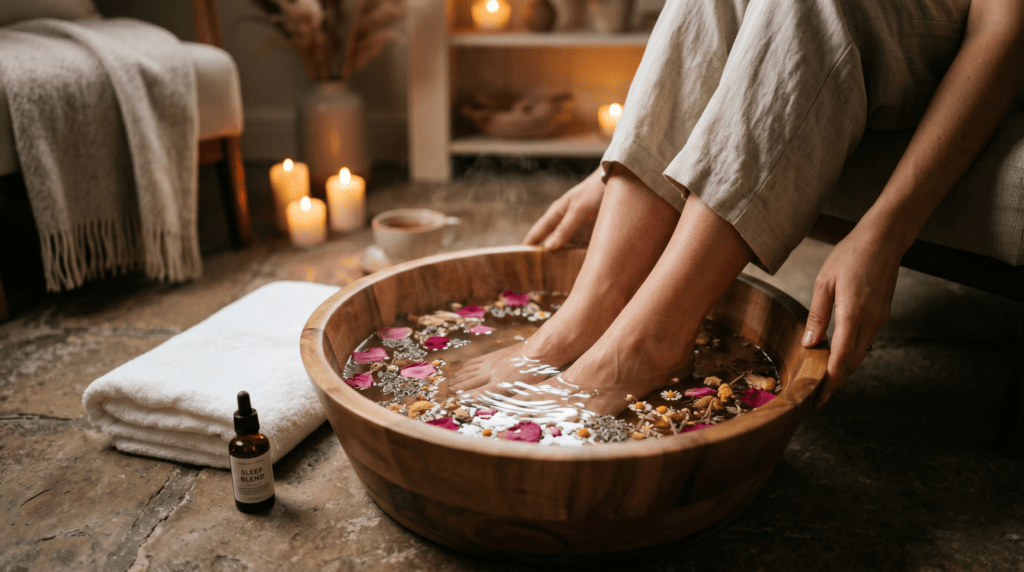
Fill your basin with warm water. The ideal temperature is between 98°F and 102°F (37°C to 39°C). It should feel deeply comforting, not scalding. If the water is too hot, it will elevate your heart rate and trigger a sweat response, which wakes the body up rather than calming it down. Once filled, dissolve 1/2 cup of your chosen base salt (like Epsom or Dead Sea salt) into the water. Add your diluted essential oil blend and any dried botanicals. Swirl the water gently with your hands to integrate the ingredients.
Step 3: The 15-Minute Soak
Sit in a comfortable chair where your feet can rest flat on the bottom of the basin. Submerge your feet and close your eyes. For the next 15 minutes, your only job is to sit still. Allow the thermoregulation process to begin drawing the heat from your core. (See Section VI for specific mindfulness exercises to perform during this time).
Step 4: Exfoliation & Reflexology Massage
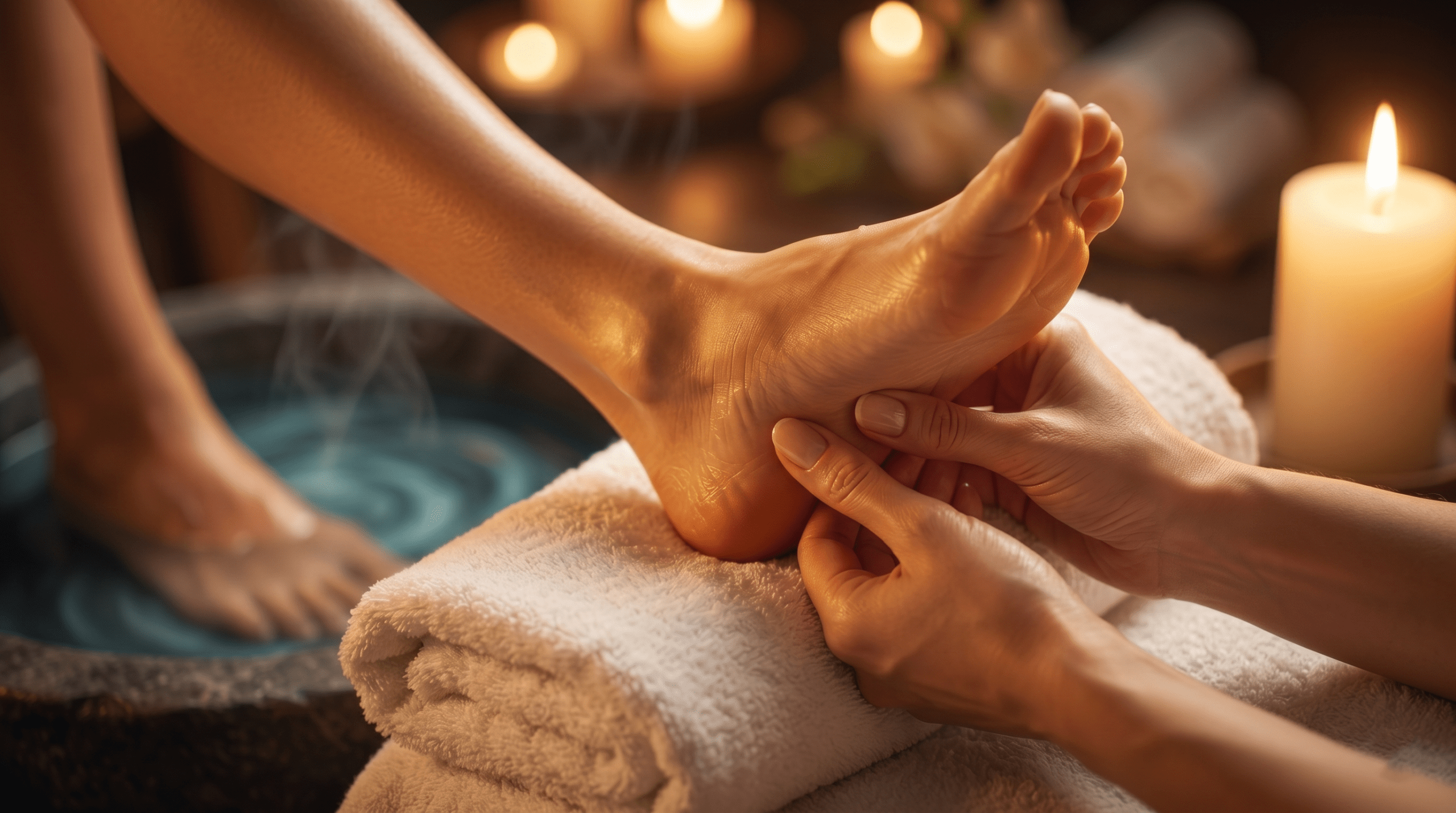
After 15 minutes, the warm water will have softened the stratum corneum (the outermost layer of dead skin). Lift one foot out of the water and use a pumice stone or wooden file to gently buff away calluses, focusing on the heels and the balls of the feet. Next, use your thumbs to apply firm but gentle pressure along the arch of your foot, moving from the heel toward the toes. This basic reflexology technique stimulates the nerve endings that communicate with your vagus nerve, further deepening your state of relaxation.
Step 5: Lock in the Moisture and the Heat
Remove your feet from the water and pat them completely dry with your dedicated towel. Do not rub vigorously. While the skin is still slightly damp, apply a heavy, deeply nourishing foot cream, shea butter, or a magnesium-infused lotion. Immediately pull on a pair of breathable, 100% cotton socks. This critical final step seals in the moisture and traps the residual heat, prolonging the vasodilation effect as you slip into bed.
Customizing Your Foot Spa Recipes for Specific Needs
Holistic well-being is never one-size-fits-all. Depending on what your body and mind require on any given night, you can alter your happy feet foot spa recipe to provide targeted relief.
The “Deep Sleep & Dream Enhancer” Blend
If you struggle with insomnia or want to cultivate a calm brain that is primed for vivid, positive dream recall, this is your go-to recipe:
-
1/2 cup Epsom salt
-
1 tablespoon sweet almond oil (carrier)
-
5 drops Lavender essential oil
-
2 drops Clary Sage essential oil (known for promoting vivid dreams)
-
A handful of dried lavender buds
The “Anxiety Relief & Grounding” Blend
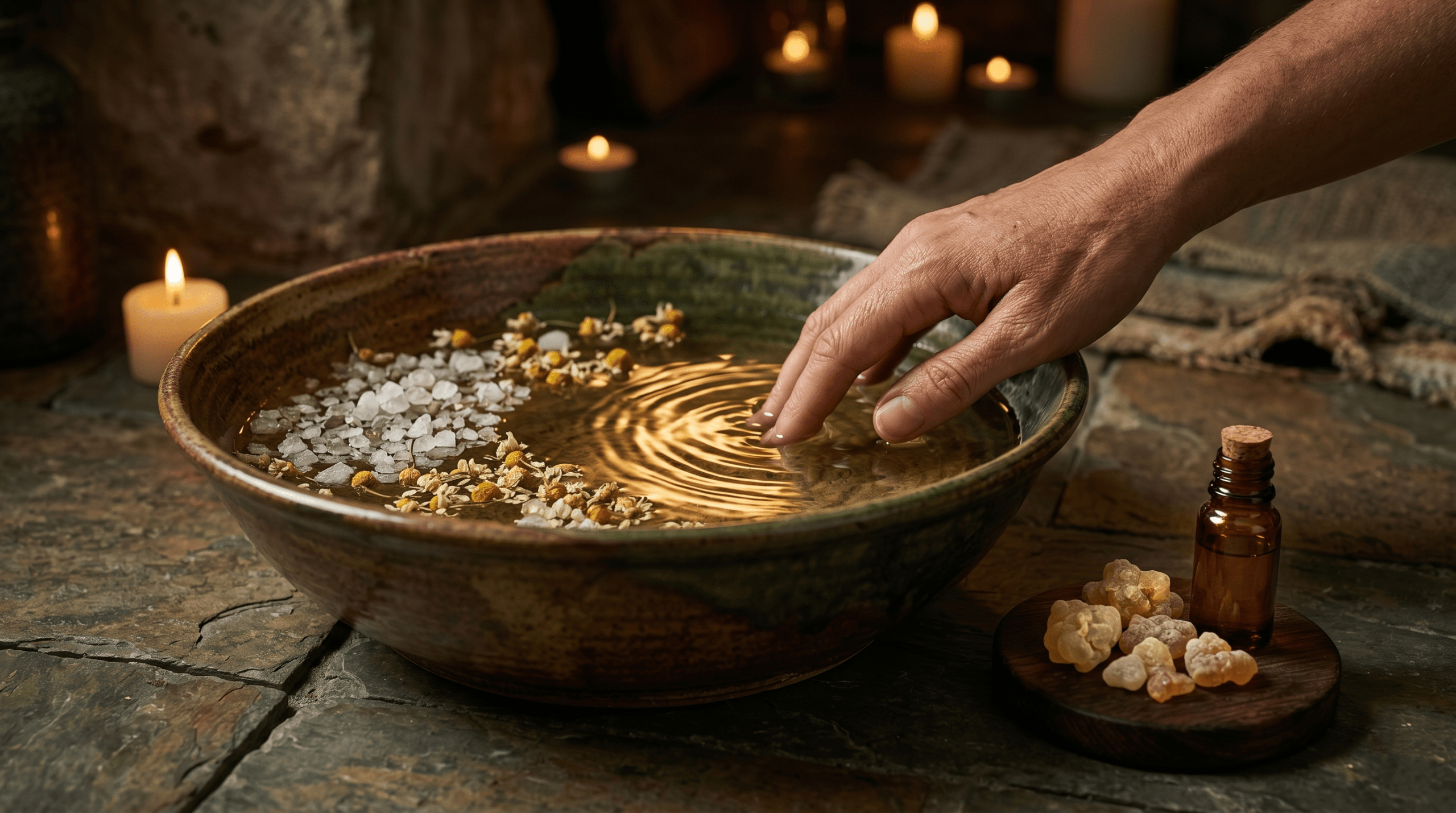
For days when your mind feels scattered, anxious, or trapped in a loop of overthinking, this earthy blend pulls your energy downward and centers you:
-
1/2 cup Dead Sea salt
-
1 tablespoon jojoba oil
-
4 drops Vetiver essential oil
-
3 drops Frankincense essential oil
-
A sprinkle of dried chamomile flowers
The “Sore & Achy Recovery” Blend
Perfect for those who spend long hours standing, running, or dealing with chronic lower-body fatigue and inflammation:
-
1/2 cup Magnesium flakes (absorbs more efficiently than standard Epsom)
-
1 tablespoon coconut oil
-
4 drops Peppermint essential oil (provides a cooling, analgesic effect)
-
3 drops Eucalyptus essential oil
Integrating Mindfulness: Meditating During Your Soak
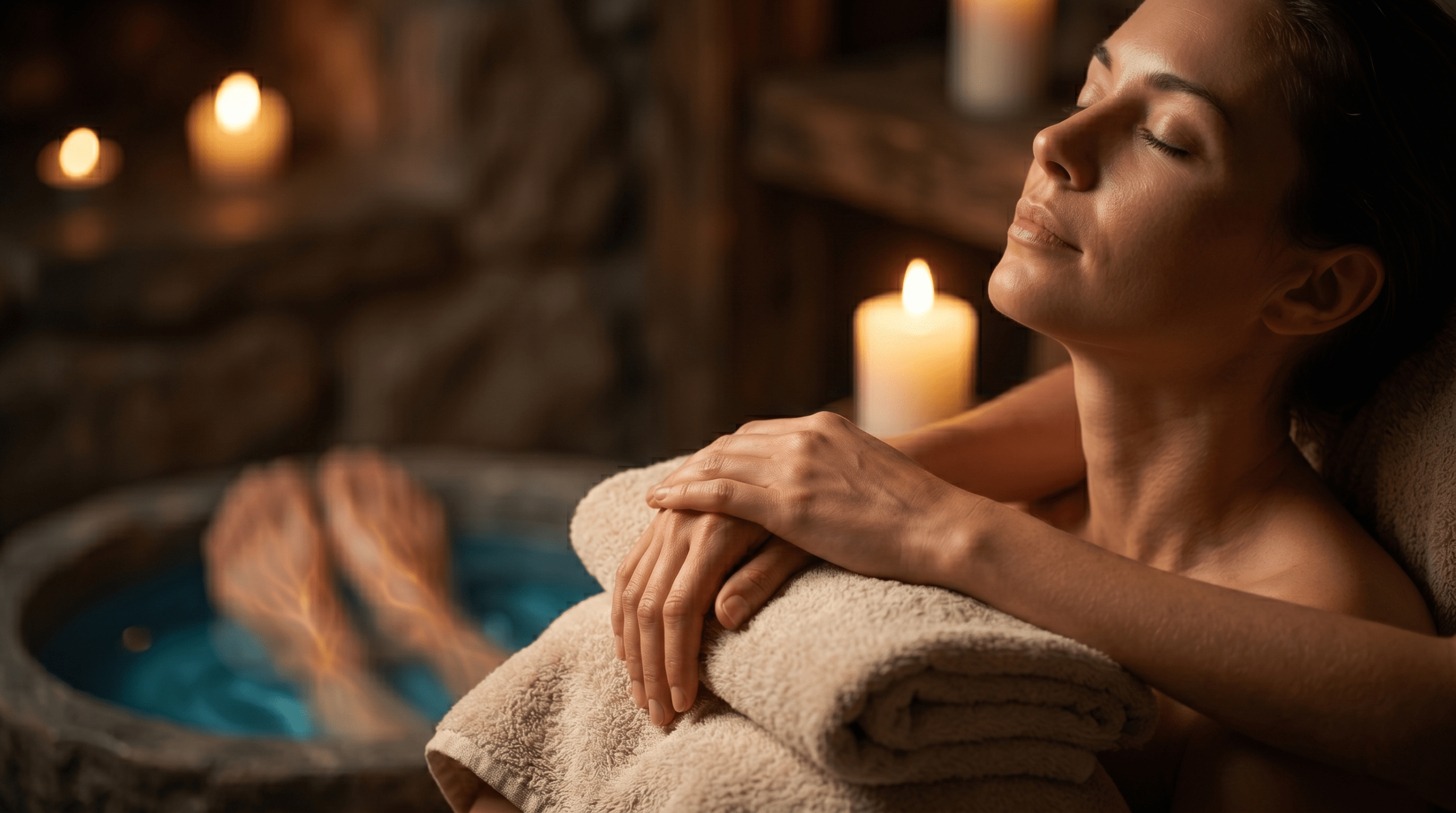
A truly holistic bedtime ritual addresses both the physical body and the mind. Sitting quietly with your feet in warm water presents the perfect opportunity to practice mindfulness. Without the distraction of screens, you can consciously guide your brainwaves into a slower frequency.
The 4-7-8 Breathing Technique
Developed by Dr. Andrew Weil, this breathwork technique acts as a natural tranquilizer for the nervous system. As your feet soak, practice the following:
-
Inhale quietly through your nose for 4 seconds.
-
Hold your breath for 7 seconds.
-
Exhale completely through your mouth, making a whoosh sound, for 8 seconds. Repeat this cycle four times.
The Upward Body Scan
Since your focus is already drawn downward to the physical sensation of the warm water, use this as a starting point for a body scan meditation. Bring your full awareness to your toes. Notice the warmth. Slowly move your attention up your ankles, your calves, your knees, and your thighs. As you mentally scan each body part, consciously command the muscles to release. By the time your awareness reaches the crown of your head, your entire physical form will feel heavy, relaxed, and ready for sleep.
Frequently Asked Questions (FAQs)
How often should I do a foot spa at home? For optimal sleep hygiene and stress reduction, incorporating a 15-minute soak 2 to 3 times a week is highly effective. However, doing a simple warm water soak nightly is safe and can become a powerful psychological anchor for your bedtime routine.
Can I use essential oils in my foot soak if I am pregnant? Pregnancy alters skin sensitivity and how the body processes certain compounds. While gentle oils like lavender are generally considered safe in the second and third trimesters, you must consult your OB/GYN before using any essential oils or magnesium supplements during pregnancy.
Do I need a motorized foot spa machine? Absolutely not. While bubbling machines offer a nice massage element, they are often loud and disruptive to the peaceful environment you are trying to create. A simple, deep basin is often superior for maintaining a quiet, meditative atmosphere.
Will a foot spa actually cure my insomnia? A foot spa is not a standalone “cure” for chronic insomnia, which can have complex medical and psychological roots. However, it is a highly effective, scientifically validated component of a broader sleep hygiene ecosystem. When combined with consistent sleep schedules, early morning sunlight exposure, and evening screen curfews, it drastically improves sleep onset and quality.
Conclusion: Step into a Better Night’s Rest
In our fast-paced modern world, achieving deep, restorative sleep requires more than simply closing our eyes and hoping for the best. It requires intention. A happy feet foot spa is not merely a cosmetic indulgence; it is a profound, scientifically grounded act of self-care. By leveraging thermoregulation, the healing power of magnesium, and the neurological benefits of reflexology and aromatherapy, you are actively giving your nervous system permission to power down.
Tonight, instead of doom-scrolling until your eyes are heavy, try drawing a warm basin of water. Dim the lights, add your favorite soothing elements, and allow the tension of the day to literally drain out through your soles. You will find that when you care for your foundation, a calm, quiet mind naturally follows.