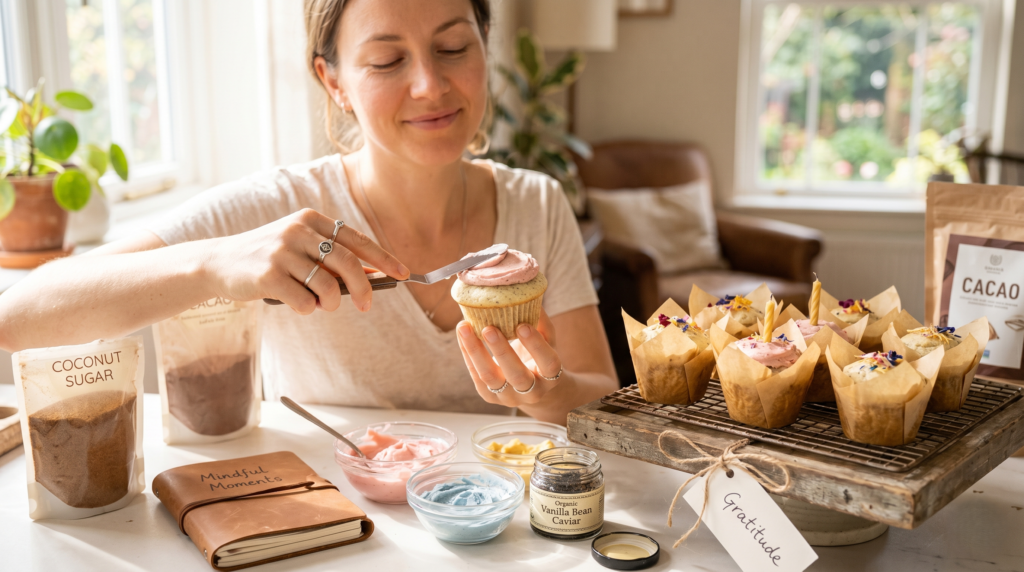
Birthdays are universally recognized as milestones of joy, yet the preparation behind the scenes often tells a vastly different story. For many, the pressure to host the perfect gathering, curate a flawless aesthetic, and bake an impressive dessert transforms what should be a celebration into a potent source of stress and cortisol spikes. But what if the very act of preparing for the celebration could become a restorative practice? By shifting our perspective, creating happy birthday cupcakes can evolve from a chaotic kitchen chore into a profound, grounding meditation.
This guide moves beyond the standard culinary instructions. We will explore how the intersection of cognitive science, mindful presence, and holistic nutrition can fundamentally change your relationship with baking. Whether you are crafting a simple vanilla sponge or an elaborate chocolate confection, you will learn how to weave intention, health, and authentic joy into every step of the process.
The Psychology of Baking: Why Making Birthday Treats Boosts Well-being
It is easy to view baking as a purely transactional activity: you combine ingredients to produce a dessert. However, neuroscientists and psychologists have increasingly recognized the therapeutic value of culinary arts. Baking is not merely a physical task; it is a complex cognitive and emotional exercise that, when approached with awareness, significantly boosts mental well-being.
Entering the “Flow State”
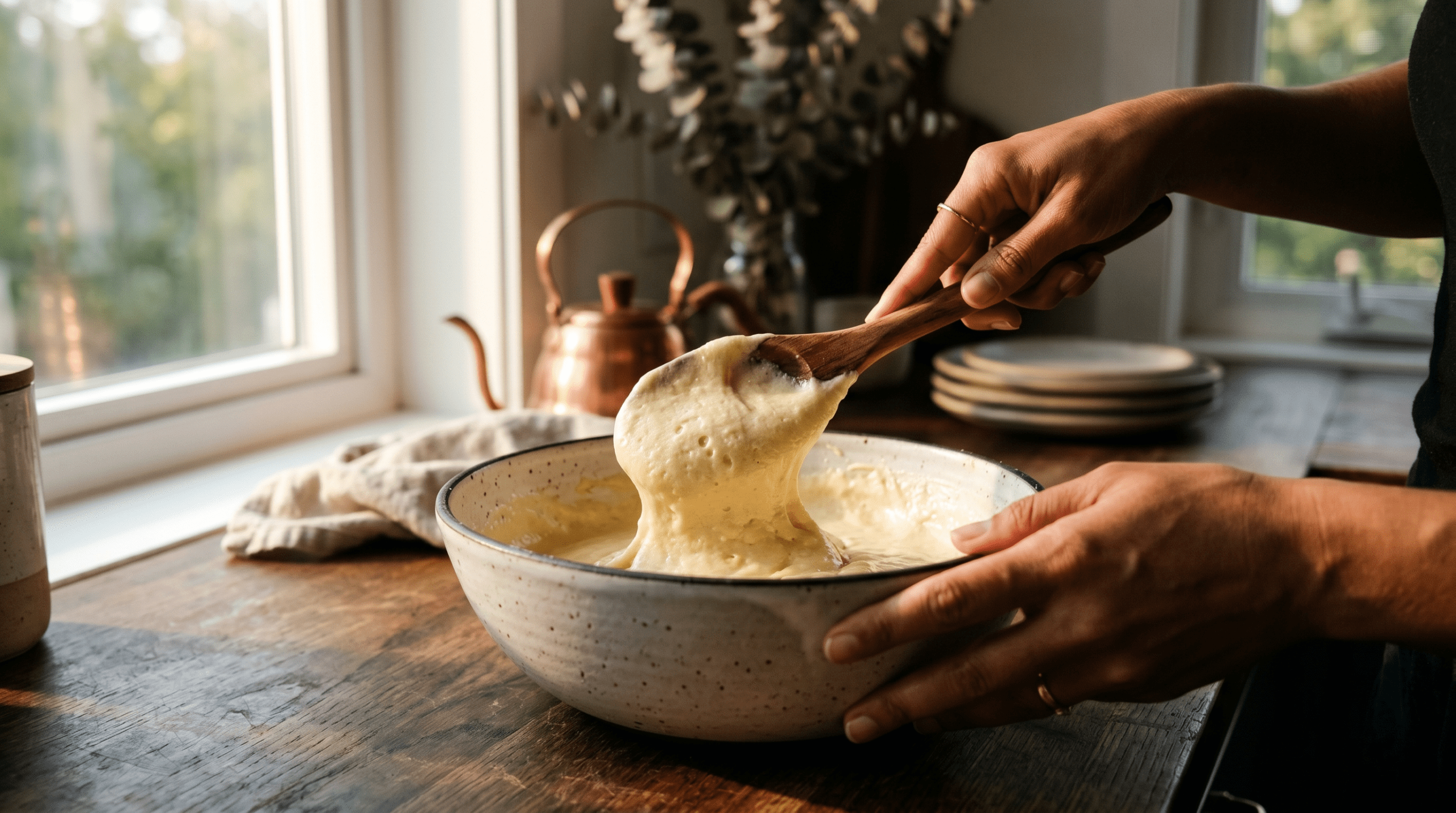
In cognitive psychology, the concept of the “flow state”—popularized by psychologist Mihaly Csikszentmihalyi—describes a state of complete, immersive focus in an activity. Baking is structurally perfect for inducing this state.
When you measure out flour, gently fold batter, or meticulously pipe frosting, you are engaging in sequential, repetitive motions that require a precise balance of attention. This gentle, rhythmic focus acts as an anchor for the wandering mind. It quiets the brain’s default mode network, which is the area responsible for rumination and anxiety. In this space, the kitchen ceases to be a room of rushed obligations and becomes a sanctuary of structured calm. The tactile feedback of working with dough or batter brings your awareness entirely into the present moment, effectively functioning as a form of behavioral activation therapy.
The Altruism of Baking for Others
There is a profound biological response attached to the act of nurturing others through food. When you dedicate time and energy to baking for a loved one’s birthday, you are engaging in an act of altruism.
Psychological studies show that performing acts of kindness stimulates the brain’s reward centers, releasing a cascade of positive neurotransmitters. The anticipation of presenting someone with a handmade gift triggers the release of dopamine, the molecule associated with pleasure and motivation. Furthermore, the act of sharing food is deeply embedded in human evolutionary history as a bonding mechanism, which stimulates the release of oxytocin, often referred to as the “love hormone.” By the time the candles are blown out, the baker has already experienced a significant uplift in their own baseline happiness, making the process just as nourishing for the creator as the final product is for the recipient.
Setting Your Intention: Preparing the Mind Before the Kitchen
In standard baking, the preparation phase usually involves preheating the oven and gathering bowls. In mindful baking, preparation begins with your mental state. If you approach the kitchen with a hurried, anxious mind, that chaotic energy often reflects in the process—leading to skipped steps, messy counters, and frustration.
Before you pull out the mixing bowls, take a moment to clear the physical and mental clutter. Wipe down your countertops, not just for hygiene, but to create a blank, serene canvas for your creative work. Put away your digital devices to ensure this time remains uninterrupted by notifications or the urge to document the process for social media perfection.
The “Joyful Intention” Exercise
Once your space is clear, try this brief cognitive exercise to set a positive baseline:
-
Stand comfortably at your counter and close your eyes.
-
Take three slow, deep breaths, inhaling through the nose and exhaling fully through the mouth to regulate your nervous system.
-
Visualize the person whose birthday you are celebrating. Bring to mind a specific, joyful memory you share with them.
-
Set a clear intention for the baking session. For example: “I am making these cupcakes to bring [Name] comfort and happiness. I will remain present and enjoy this process.”
By explicitly setting an intention, you frame the upcoming task not as work, but as a deliberate manifestation of care.
Wholesome Ingredients for a Happier Mind and Body
When we think of traditional celebration foods, we often picture an abundance of artificial colors, refined sugars, and processed flours. While there is absolutely a place for indulgence, standard commercial baking can sometimes leave us feeling lethargic, sparking a drastic spike and subsequent crash in our blood glucose levels. This physiological rollercoaster can trigger the release of cortisol, leading to feelings of anxiety or a disruption in healthy sleep patterns.
By applying principles of holistic nutrition and nutritional psychiatry to your baking, you can craft treats that support cognitive function and physical vitality. Nourishing the body and the mind shouldn’t stop at dinner; it can extend beautifully into dessert.
Swapping Refined Sugars for Natural Sweetness
The foundation of a mindful cupcake lies in how it is sweetened. Refined white sugar provides a rapid, unsustainable energy burst. Instead, consider elevating your recipe with unrefined, nature-derived sweeteners.
-
Pure Maple Syrup: Rich in antioxidants and minerals like zinc and manganese, maple syrup offers a complex, caramel-like depth of flavor while maintaining a lower glycemic index than white sugar.
-
Coconut Sugar: Derived from the sap of the coconut palm tree, this natural sweetener retains trace nutrients and a fiber called inulin, which helps slow glucose absorption, keeping your mood and energy levels stable throughout the celebration.
-
Monk Fruit Sweetener: For those looking to avoid blood sugar spikes entirely, monk fruit provides robust sweetness without the metabolic impact, making it an excellent choice for an inclusive dessert that respects varying dietary needs.
Mood-Boosting Add-Ins
Beyond mere substitutions, you can actively incorporate ingredients known for their neuroprotective and mood-enhancing properties. These functional additions transform a simple dessert into a holistic experience.
-
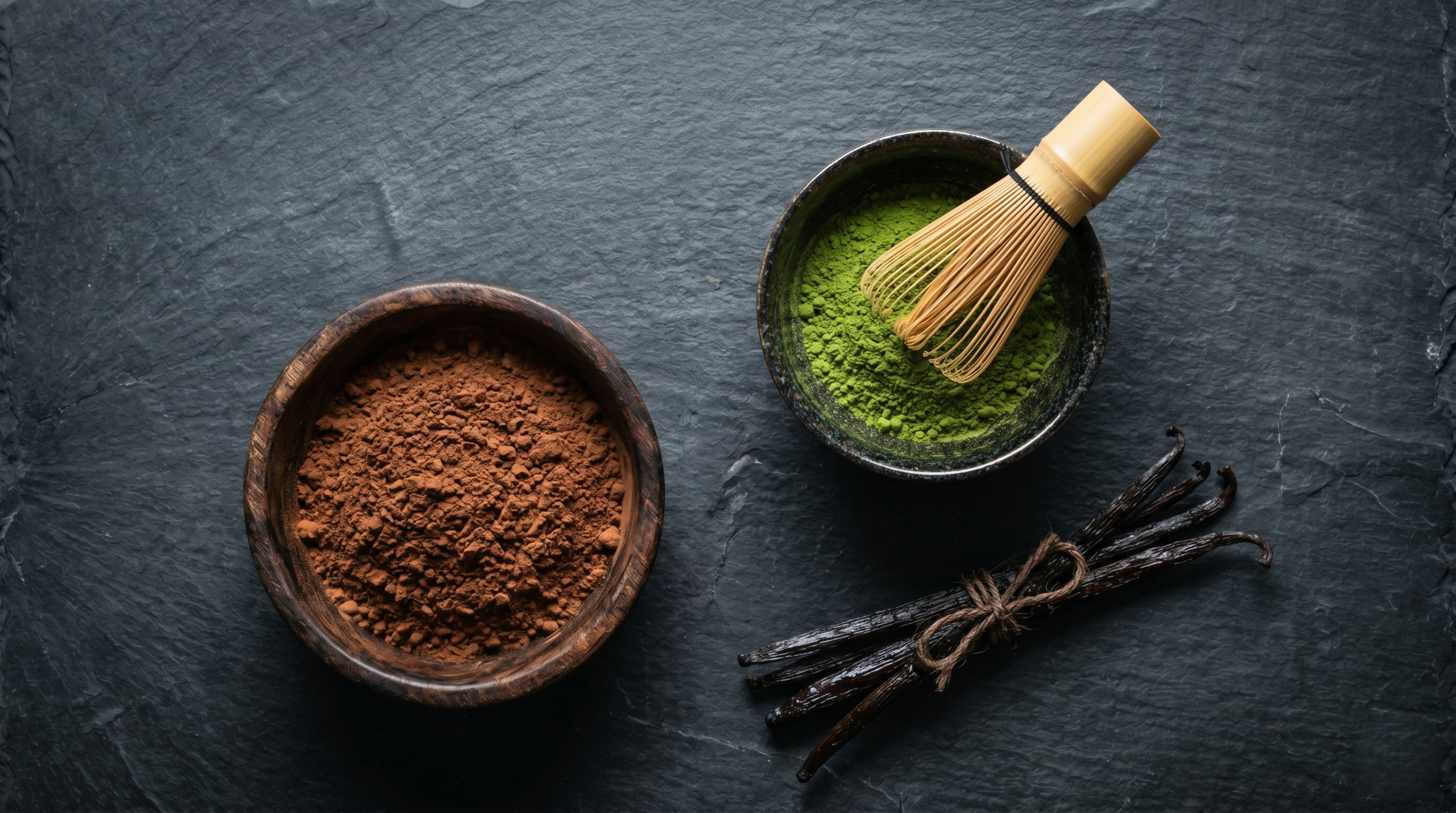
Raw Cacao: If you are baking a chocolate tier, swap highly processed cocoa powder for raw, organic cacao. Cacao is one of the highest plant-based sources of magnesium, a mineral crucial for nervous system regulation and stress reduction. Furthermore, it contains anandamide—often referred to as the “bliss molecule”—which naturally promotes feelings of euphoria and well-being.
-
Ceremonial Grade Matcha: For a vibrant green aesthetic and a sophisticated earthy flavor, matcha powder is unparalleled. Matcha contains L-theanine, an amino acid that promotes a state of calm, focused alertness by increasing alpha wave activity in the brain. It is the perfect antidote to the typical chaotic energy of a birthday party.
-
Real Vanilla Bean: Never underestimate the power of pure vanilla. Rather than synthetic extracts, using the caviar from a real vanilla bean offers profound aromatherapy benefits. Inhalation of vanilla has been shown in clinical studies to significantly reduce startle reflexes and lower baseline anxiety, filling your kitchen with a deeply soothing aroma.
The Sensory Journey: A Step-by-Step Guide to Mindful Baking
With your mind centered and your wholesome ingredients gathered, the physical act of baking begins. This is where you transition from a state of doing to a state of being. By tuning into your five senses, the creation of your happy birthday cupcakes becomes a moving meditation.
Step 1: Grounding Through Preparation
Begin by observing the textures of your ingredients. As you sift your organic flour or almond meal, watch how it falls like fine snow. Feel the weight of the eggs in your hand. When you crack them, listen to the sharp, satisfying snap of the shell. As you whisk your wet and dry ingredients together, notice the exact moment they bind, transforming from disparate parts into a cohesive, velvety batter. Pay attention to the resistance of the whisk and the muscle tension in your arm. When your mind inevitably begins to wander to your to-do list or the party logistics, gently bring your focus back to the physical sensation of the bowl in your hands.
Step 2: Aromatic Presence
The human olfactory bulb has a direct neural pathway to the amygdala and the hippocampus—the brain’s centers for emotion and memory. This is why scent is so powerfully tied to nostalgia. As your cupcakes bake, the kitchen will fill with the warmth of toasting sugars and blooming vanilla. Do not let this pass unnoticed. Pause what you are doing, close your eyes, and take a deep, deliberate breath. Allow the aroma to anchor you in the present moment. You are actively creating a sensory memory that both you and your guests will associate with comfort and celebration for years to come.
Step 3: The Meditative Art of Frosting
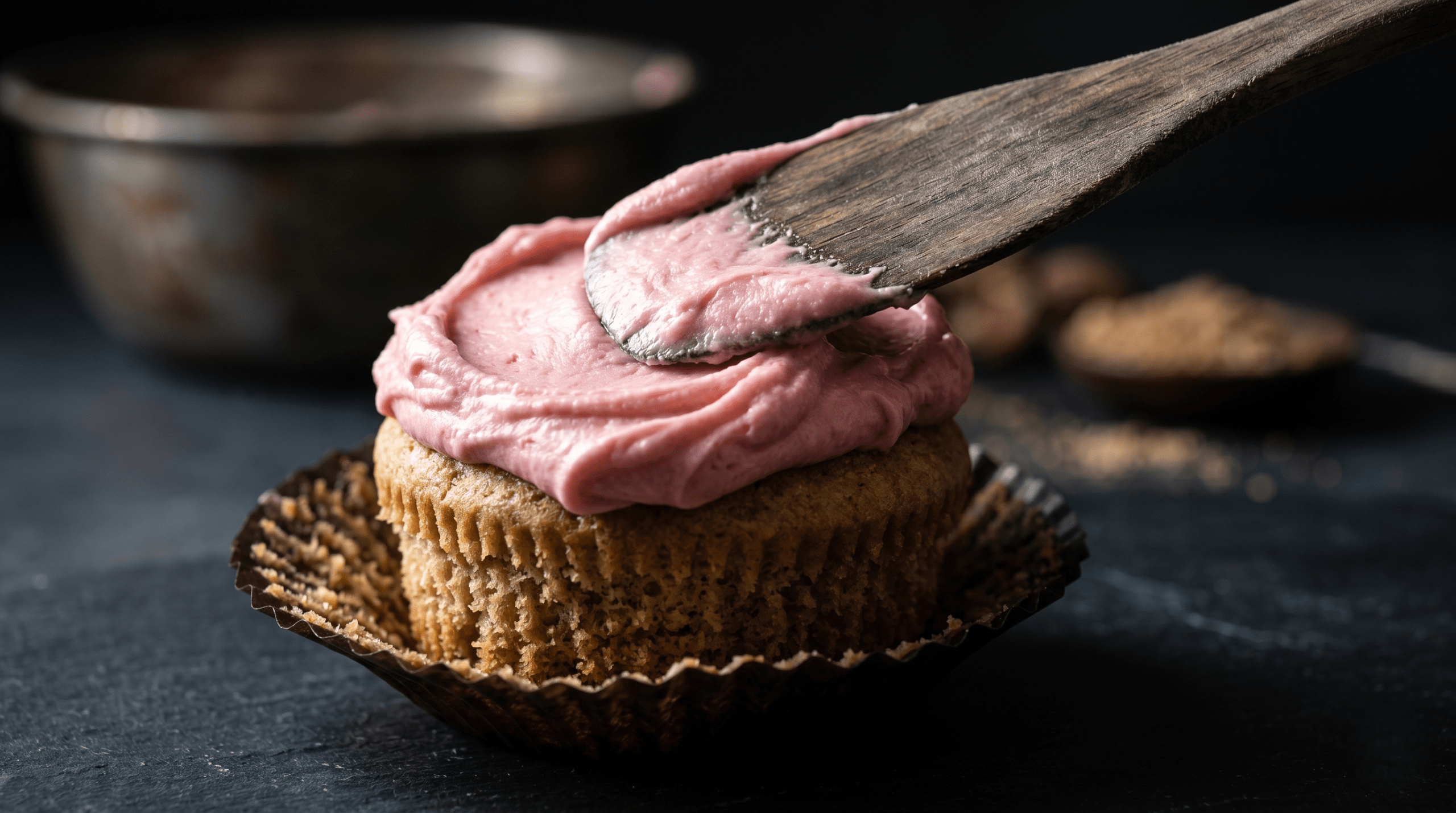
In an era of hyper-curated social media aesthetics, the decorating phase is often where bakers feel the most pressure. We strive for bakery-perfect swirls and flawless finishes, often criticizing our own efforts when they fall short. Mindful baking asks you to completely let go of this perfectionism.
Instead of treating the frosting process as a stressful performance, view it as an exercise in creative play. If you are using natural food dyes—such as a vibrant pink derived from beetroot powder, or a calming blue from blue spirulina—observe how the colors blend into the buttercream. As you spread or pipe the frosting, focus on the smooth, fluid motion of your wrist. Embrace the rustic, imperfect charm of a handmade gift. The beauty of a mindful cupcake lies in the love and intention baked into it, not in its visual symmetry.
Meaningful Ways to Share Your Happy Birthday Cupcakes
The final phase of this mindful journey is the act of sharing. The way you present and consume these treats can deeply impact the overall well-being of the celebration. It is an opportunity to cultivate connection, especially when navigating complex family dynamics or celebrating elders, like a mother-in-law or a parent, where thoughtful gestures speak volumes.
The Gratitude Note
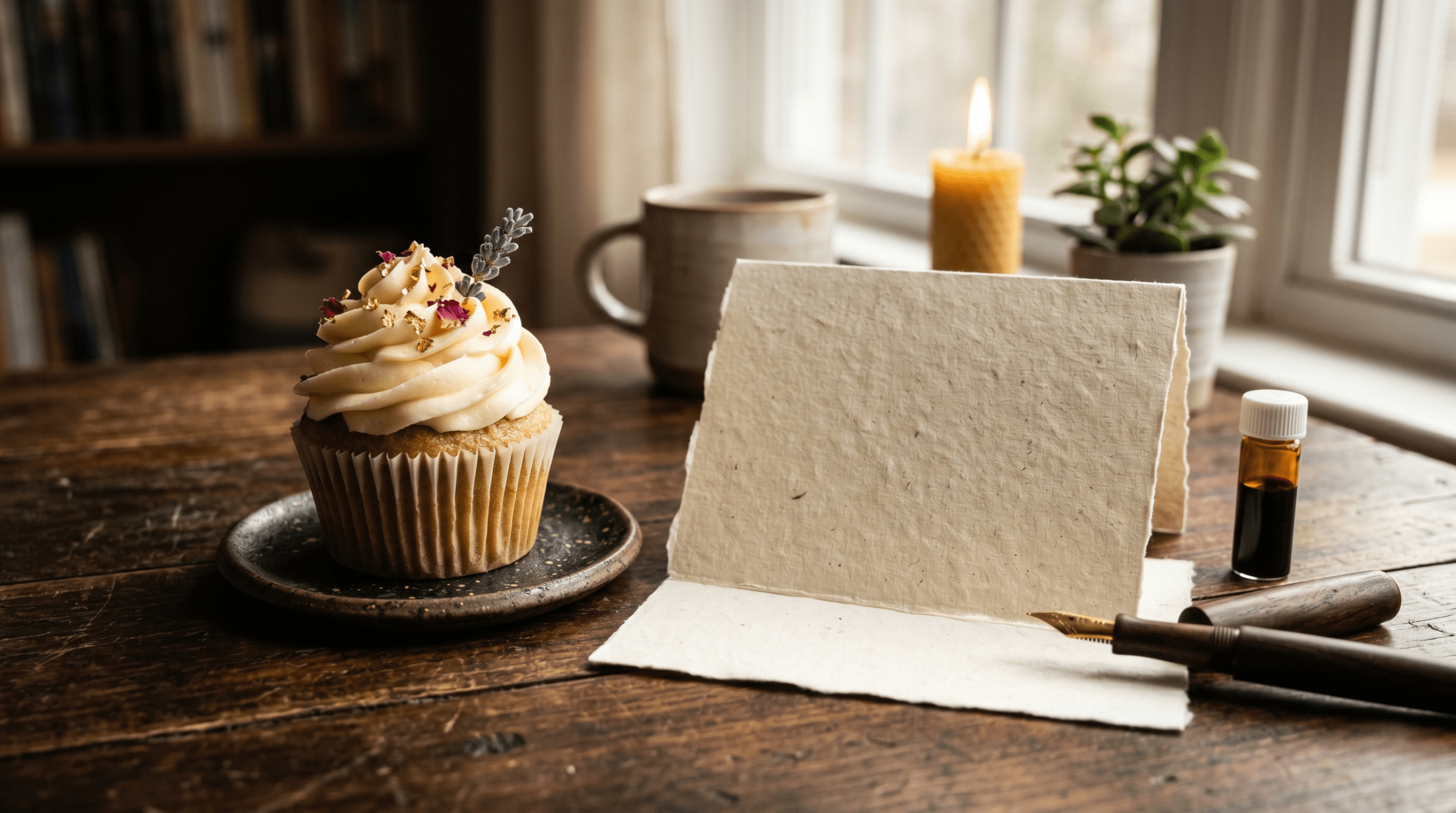
Elevate the act of giving by pairing your baked goods with words of affirmation. Before placing the cupcakes in a box or on a serving tier, take a small card and write down one specific reason you are grateful for the birthday person. This exercise in active gratitude shifts the focus from aging to appreciation. When they receive their dessert, they are not just consuming food; they are digesting a tangible expression of their value in your life.
Mindful Consumption
Finally, encourage the birthday person—and your guests—to eat mindfully. In the rush of tearing open presents and singing, desserts are often consumed mindlessly in a few quick bites. Gently suggest that everyone take a moment to admire the colors, smell the warm vanilla or rich cacao, and savor the first bite slowly. Pay attention to the crumb of the cake and the melt-in-your-mouth texture of the frosting. This shared moment of mindful eating enhances digestion, maximizes sensory pleasure, and brings the entire room into a unified, present state of joy.
Frequently Asked Questions (FAQs) About Mindful Birthday Baking
When transitioning from standard, results-focused baking to a process-oriented, mindful practice, questions naturally arise. Below are some of the most common inquiries about integrating psychological well-being into celebration preparation, optimized to help you navigate your next baking endeavor with ease.
How can I make baking happy birthday cupcakes less stressful if I am naturally anxious in the kitchen? The key to reducing kitchen anxiety is shifting your goal from “perfection” to “presence.” Much of the stress stems from time pressure and the fear of a recipe failing. To counteract this, practice “mise en place”—a French culinary phrase meaning “putting in place.” Measure all your ingredients and set out all your tools before you begin mixing. Psychologically, this eliminates the frantic cognitive load of searching for measuring spoons while a timer ticks down. Additionally, practice deep, diaphragmatic breathing if you feel overwhelmed. Remember that a slightly lopsided cupcake baked with love is far more valuable than a mathematically perfect one baked in a state of high cortisol.
What are the best calming colors to use for natural cupcake frosting, and how do they affect mood? Color psychology plays a significant role in how we perceive food and experience emotions. Standard neon food dyes can sometimes be visually jarring and are linked in some studies to hyperactivity. Instead, opt for natural, earth-derived colors that soothe the nervous system.
-
Soft Pink: Achieved using a pinch of freeze-dried raspberry or beetroot powder, pink evokes feelings of warmth, nurturing, and unconditional love.
-
Tranquil Blue: A dash of blue spirulina creates a beautiful, calming pastel tone. Blue is universally recognized in color psychology as a hue that lowers the heart rate and promotes serenity.
-
Earthy Yellow: A microscopic amount of turmeric (not enough to taste) yields a cheerful, sunny yellow that stimulates optimism and joy without overwhelming the senses.
Can baking really be considered a valid form of meditation? Absolutely. While traditional meditation often involves sitting in stillness, “active meditation” involves anchoring your attention to a physical task. In clinical psychology, this is known as behavioral activation. By focusing your entire awareness on the sensory details of baking—the smell of the vanilla, the warmth of the oven, the rhythm of the whisk—you actively prevent your brain’s default mode network from engaging in rumination. You are training your mind to exist entirely in the present moment, which is the foundational goal of any mindfulness practice.
How does mindful baking fit into a broader holistic lifestyle? Mindful baking is a microcosm of holistic living. It demonstrates that well-being is not compartmentalized; it is woven into our daily chores, our celebrations, and our relationships. By choosing ingredients that support brain health (like raw cacao and unrefined sugars) and approaching the task with a calm nervous system, you align your culinary habits with your overall mental and physical wellness goals. It proves that you do not have to abandon your well-being practices just because it is a holiday.
Conclusion: Baking Memories, Not Just Desserts
At its core, a birthday is a celebration of life, presence, and connection. When we allow the preparation of the celebration to become a source of stress, we disconnect from the very joy we are trying to honor. By choosing to bake happy birthday cupcakes mindfully, you are reclaiming that joy. You are transforming your kitchen into a space of active meditation and infusing your ingredients with genuine, calm intention.
The true value of this practice extends far beyond the final crumb. It is found in the flow state you enter while whisking, the neuroprotective benefits of the wholesome ingredients you select, and the deep, oxytocin-rich connection forged when you hand a loved one a treat made exclusively for them. You are not just baking dessert; you are crafting a sensory memory that nourishes the brain, delights the palate, and warms the spirit.
When the celebration winds down, the kitchen is clean, and you prepare for rest, you will find that the mindful energy cultivated during your baking session lingers. It paves the way for a deeply restorative evening and a profound sense of accomplishment.